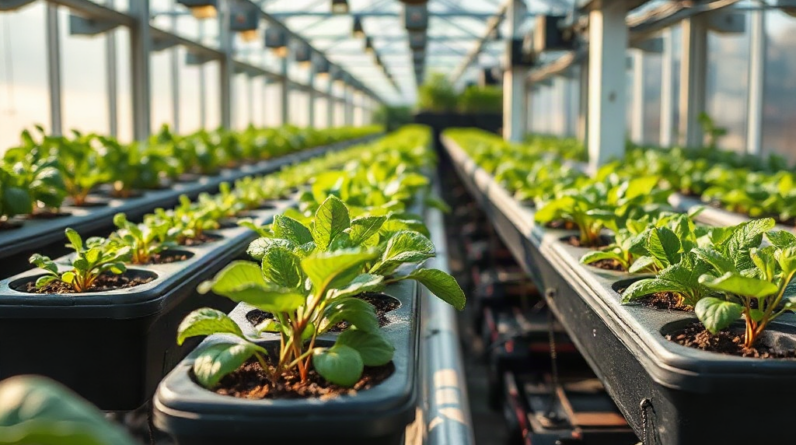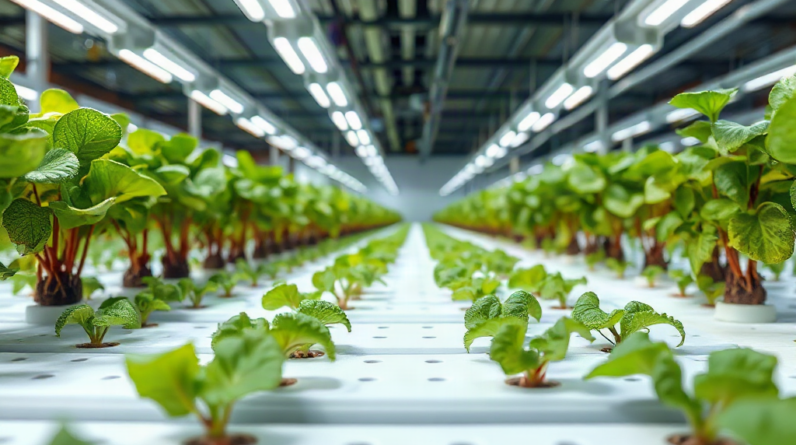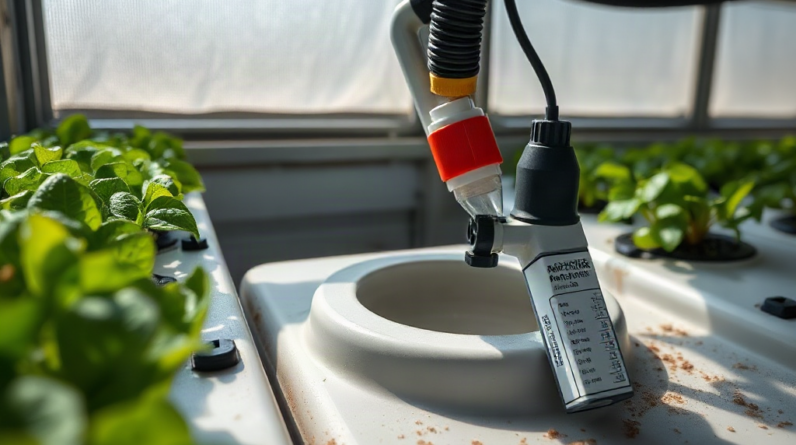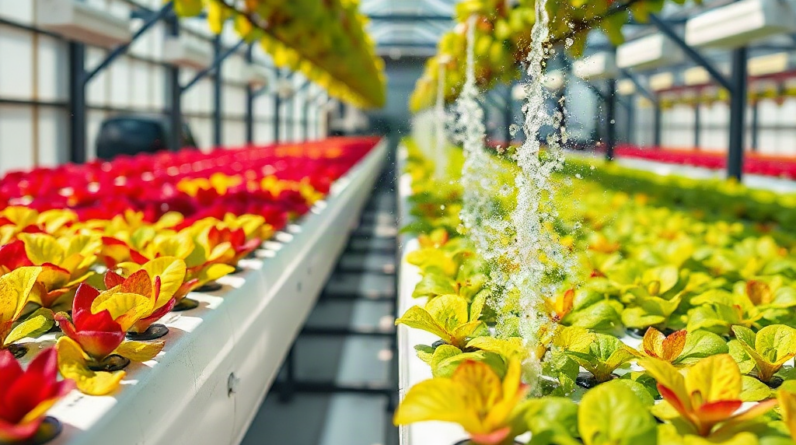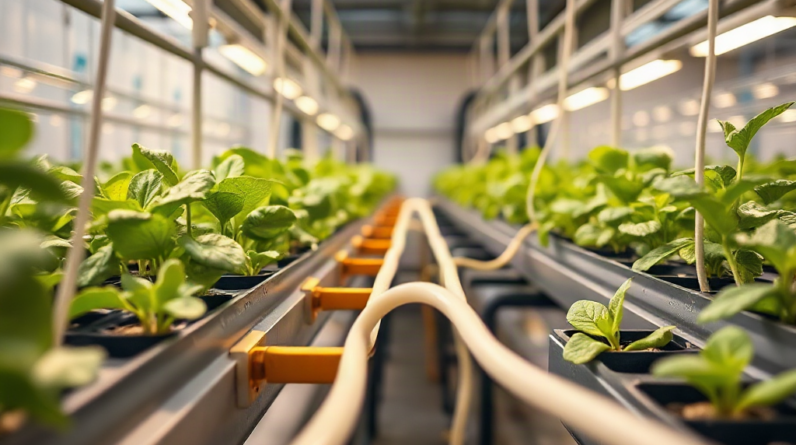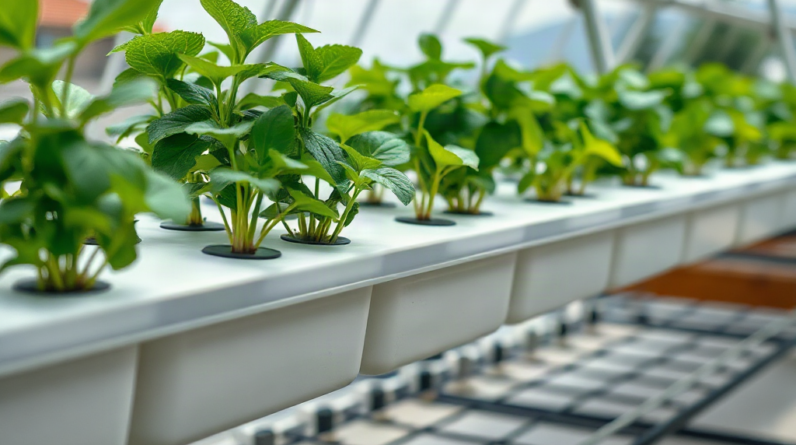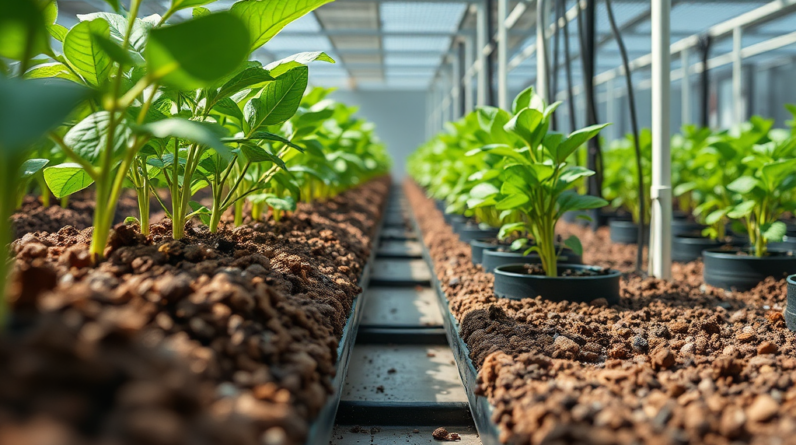
An indoor hydroponic herb garden enables you to cultivate a variety of fresh herbs throughout the year without soil. Popular choices like basil, mint, and parsley flourish in this environment, benefiting from nutrient-rich water. To maximize growth, ensure your plants receive adequate light—basil, for instance, thrives with 14-16 hours of light daily. Additionally, maintaining proper water quality and nutrient balance is essential; overwatering can lead to root rot, while insufficient nutrients can stunt growth. By carefully managing these factors, you can enjoy a bountiful supply of herbs right from your home.
Understanding Hydroponics for Herbs
Hydroponics is a method of growing plants without soil, using nutrient-rich water instead. This technique is especially beneficial for herbs, as it allows for faster growth and higher yields compared to traditional gardening. By eliminating soil, you reduce the risk of pests and diseases, which can often hinder herb cultivation. The key to successful hydroponic gardening lies in managing the water’s pH and nutrient levels, ensuring that your herbs receive the necessary elements for robust growth.
In hydroponics, plants absorb nutrients directly from the water, which can lead to quicker growth cycles. For herbs, this means you can enjoy fresh basil or cilantro in a matter of weeks rather than months. Additionally, indoor hydroponic systems provide the flexibility to control environmental factors such as light, temperature, and humidity, making it easier to create ideal growing conditions.
Choosing the Right Herbs for Your Garden
When selecting herbs for your indoor hydroponic garden, consider varieties that thrive in hydroponic systems. Basil, mint, parsley, and cilantro are excellent choices due to their adaptability and popularity in cooking. Basil is particularly favored for its flavor and ease of growth, while mint can spread quickly and be used in various dishes and drinks.
Choosing the right herbs also involves understanding their light and temperature preferences. For instance, basil requires around 14-16 hours of light per day, while mint can tolerate lower light conditions. Researching the specific needs of each herb will help ensure a thriving garden. Additionally, consider planting herbs with similar growth rates and nutrient needs together, which can simplify maintenance and care.
Setting Up Your Indoor Hydroponic System
Setting up an indoor hydroponic herb garden involves selecting the right system, such as deep water culture, nutrient film technique, or aeroponics. Each system has its advantages and disadvantages, so choose one that fits your space and gardening goals. For beginners, deep water culture is often the simplest and most cost-effective option. It involves suspending plant roots in a nutrient solution, ensuring they receive both oxygen and nutrients.
Once you’ve chosen a system, you’ll need to gather supplies, including grow lights, a reservoir for the nutrient solution, and a pump for oxygenation. Ensure your grow lights are suitable for the type of herbs you’re growing, as some may require higher intensity lighting. Proper spacing between plants is crucial to allow for air circulation and growth, so plan your layout accordingly.
Maintaining Your Hydroponic Herb Garden
Maintenance is vital for the success of your indoor hydroponic herb garden. Regularly check the pH and nutrient levels of your water, as imbalances can lead to poor growth or plant stress. Most herbs prefer a pH range of 5.5 to 6.5. Additionally, replace the nutrient solution every two to three weeks to ensure that your plants receive fresh nutrients.
Watch for common issues such as algae growth or root rot, which can occur if the water is not properly aerated or if the nutrient solution is stagnant. Ensuring adequate light and airflow is also crucial; consider using fans to promote circulation. Regular pruning of your herbs will encourage bushier growth and prevent overcrowding, which can lead to disease.
For more in-depth information on hydroponic herb gardening, consider visiting reputable sources such as university extension programs, gardening websites, or hydroponic forums. These resources can provide valuable insights and community support for your gardening journey.
Frequently Asked Questions
What are the best herbs to grow hydroponically?
Basil, mint, parsley, and cilantro are among the best herbs for hydroponic systems due to their adaptability and growth speed.
How often should I change the water in my hydroponic system?
It is advisable to change the nutrient solution every two to three weeks to provide fresh nutrients for your herbs.
What lighting is best for an indoor hydroponic herb garden?
LED grow lights are ideal as they provide the necessary spectrum for plant growth while being energy-efficient.
Can I grow herbs without a hydroponic system?
Yes, you can grow herbs in soil or other mediums, but hydroponics typically results in faster growth and fewer pests.
What common mistakes should I avoid in hydroponic gardening?
Common mistakes include overwatering, inadequate lighting, and neglecting to monitor pH and nutrient levels regularly.
Further Reading
Authoritative Sources
- USDA National Institute of Food and Agriculture
nifa.usda.govResearch and extension resources related to agriculture, plants, soil, and food systems
- Extension Foundation Gardening Resources
extension.orgUniversity extension education resources for practical gardening and home agriculture topics
- USDA Natural Resources Conservation Service
nrcs.usda.govSoil, water, conservation, and land management resources for practical growing decisions
Conclusion
Creating an indoor hydroponic herb garden is an excellent way to enjoy fresh herbs year-round. Focus on selecting the right herbs, establishing a suitable hydroponic system, and maintaining proper care through monitoring and adjustments. By being mindful of common pitfalls, you can cultivate a thriving garden that enhances your cooking and provides fresh flavors at your fingertips.