Implementing an aquaponic system requires careful planning and consideration of various factors including fish types, plant varieties, and system design. The balance between fish and plant growth is crucial; too many fish can lead to excess waste and poor water quality, while too few can deprive plants of necessary nutrients. Understanding these dynamics is essential for successful aquaponic gardening.
Common mistakes in aquaponics include neglecting water quality management and failing to select compatible fish and plant species. Beginners often overlook the importance of maintaining optimal pH levels and dissolved oxygen in the water, which can lead to fish stress or plant nutrient deficiencies. Prioritizing these aspects will significantly enhance the success of your hydroponic garden with fish.
Understanding the Aquaponic System
An aquaponic system is a closed-loop ecosystem that merges aquaculture (fish farming) with hydroponics (growing plants in water). In this system, fish produce waste that becomes a nutrient source for the plants, while the plants filter and clean the water, which is then recirculated back to the fish tanks. This symbiotic relationship enhances growth and reduces the need for chemical fertilizers.
When setting up an aquaponic system, understanding the nitrogen cycle is crucial. Fish excrete ammonia, which is toxic to them but can be converted by beneficial bacteria into nitrites and then nitrates, which are usable by plants. Managing this cycle effectively ensures that both fish and plants thrive. Additionally, the choice of system design—whether media-based, nutrient film technique (NFT), or deep water culture (DWC)—will impact the overall efficiency and yield of your garden.
Many new aquaponic gardeners underestimate the complexity of maintaining balance within the ecosystem. Regular monitoring of water parameters such as pH, ammonia, nitrite, and nitrate levels is essential. Failing to do so can result in fish health issues or poor plant growth, making it vital to develop a routine for water testing and adjustment.
Choosing the Right Fish and Plants
Selecting appropriate fish and plant species is a critical step in establishing a successful hydroponic garden with fish. Common fish choices include tilapia, catfish, and trout, which are hardy and grow well in aquaponic systems. For plants, leafy greens such as lettuce, basil, and spinach are ideal as they thrive in nutrient-rich water and have shorter growth cycles.
Compatibility between fish and plants is vital; certain fish produce more waste, which may benefit faster-growing plants. Additionally, consider the temperature and pH preferences of the species chosen, as these factors will dictate the overall health of both the fish and plants. Researching the specific needs of each species will help ensure a balanced ecosystem.
Many beginners often choose fish and plants based solely on availability rather than compatibility, leading to poor growth or system failures. Prioritizing species that complement each other and understanding their growth requirements will enhance the overall productivity of your aquaponic system.
Setting Up Your Hydroponic Garden
Setting up your hydroponic garden with fish involves several steps, including selecting a suitable location, designing the system, and sourcing materials. A well-ventilated area with access to sunlight or grow lights is ideal for plant growth. The system design can range from small home setups to larger commercial operations, depending on your goals and available space.
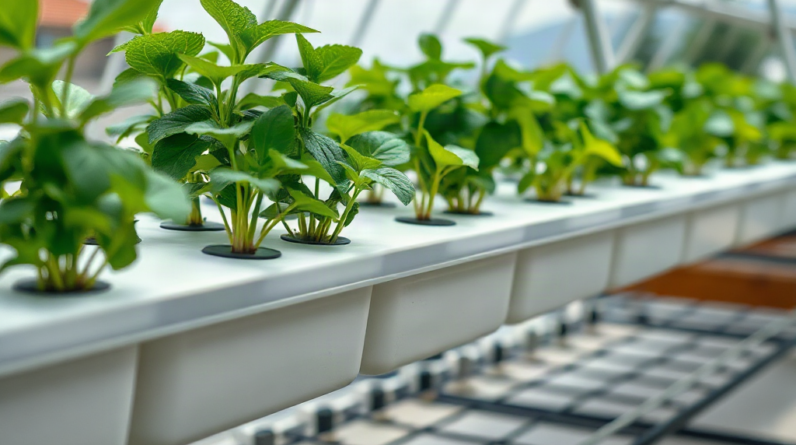
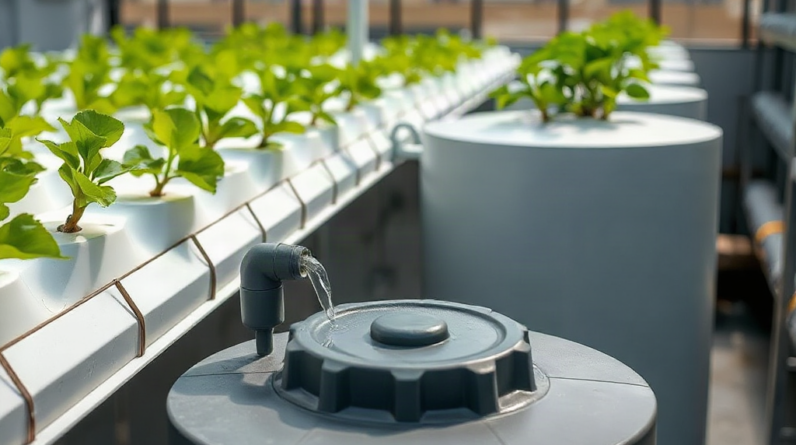
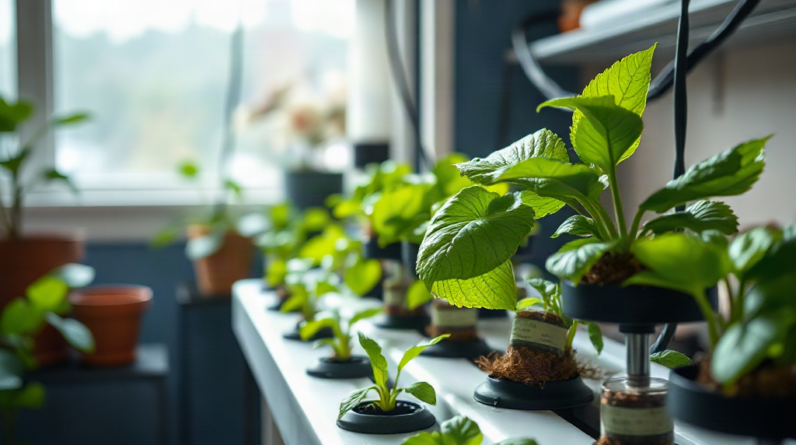
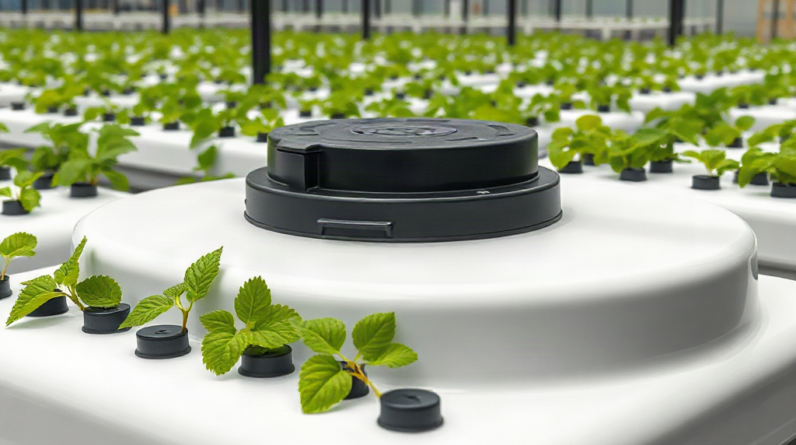
Essential components of an aquaponic system include fish tanks, grow beds, a water pump, and filtration systems. The configuration should ensure efficient water circulation and nutrient distribution. Additionally, incorporating aeration systems can enhance oxygen levels in the water, which is crucial for fish health.
New aquaponic gardeners often overlook the importance of system scalability. Starting small and gradually expanding allows for better management and understanding of the ecosystem dynamics. This approach reduces the risk of overwhelming yourself with maintenance tasks and enables you to learn and adapt as your garden grows.
Maintaining Water Quality and Ecosystem Balance
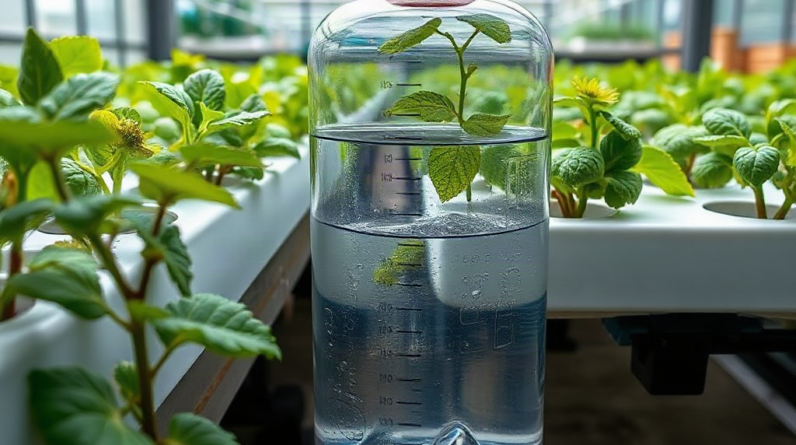
Maintaining water quality is paramount in a hydroponic garden with fish. Regular monitoring of parameters such as pH, ammonia, nitrite, and nitrate levels is essential for ensuring a healthy environment for both fish and plants. The ideal pH range for most aquaponic systems is between 6.5 and 7.5.
Water quality can be affected by factors including feeding practices, fish stocking density, and plant growth. Overfeeding fish can lead to excess waste, while overcrowding can stress fish and reduce water quality. Implementing a balanced feeding schedule and ensuring adequate space for fish will mitigate these issues. Additionally, using biofilters can help maintain water clarity and quality.
Many beginners fail to recognize the significance of regular water testing and system maintenance. Establishing a routine for checking water quality not only promotes a healthier ecosystem but also minimizes the likelihood of fish or plant health problems. Prioritizing these practices can lead to a more productive and sustainable aquaponic garden.
Further Reading
Authoritative Sources
- Aquaponics: A Sustainable Method of Food Production
nrcs.usda.govThis resource provides insights into sustainable practices in aquaponics, including system design and maintenance
Frequently Asked Questions
What types of fish are best for aquaponics?
Tilapia, catfish, and trout are commonly recommended for aquaponics due to their hardiness and compatibility with various plant species.
How often should I test the water in my aquaponic system?
It is advisable to test the water at least once a week to monitor pH, ammonia, nitrite, and nitrate levels for optimal health.
Can I grow fruiting plants in an aquaponic system?
Yes, fruiting plants like tomatoes and peppers can be grown, but they require more nutrients and a well-balanced ecosystem.
What is the ideal pH for aquaponics?
The ideal pH range for aquaponic systems is typically between 6.5 and 7.5 to support fish and plant growth.
How much space do I need for a home aquaponics system?
A small aquaponics system can be set up in as little as 20 square feet, making it suitable for home gardens.
Conclusion
In conclusion, establishing a hydroponic garden with fish presents a unique opportunity to create a sustainable, efficient food production system. By understanding the principles of aquaponics, selecting compatible fish and plants, and maintaining water quality, you can achieve a thriving ecosystem that benefits both your plants and fish. Prioritizing routine management and being aware of common pitfalls will significantly enhance your gardening success. As you gain experience, consider expanding your system to maximize the benefits of this innovative approach to food production.
Related Content
- Hydroponic Growing for Beginners: A Complete Guide
- Challenges of Maintaining pH Stability in Hydroponics: Common Pitfalls and Effective Solutions
- Reusing Hydroponic Grow Media Safely: Cleaning Steps, Disinfection, and Reuse Limits
- Hydroponics: The Next Generation of Farming
- When Hydroponic Air Stones Need Replacement: Symptoms, Timing, and What to Check