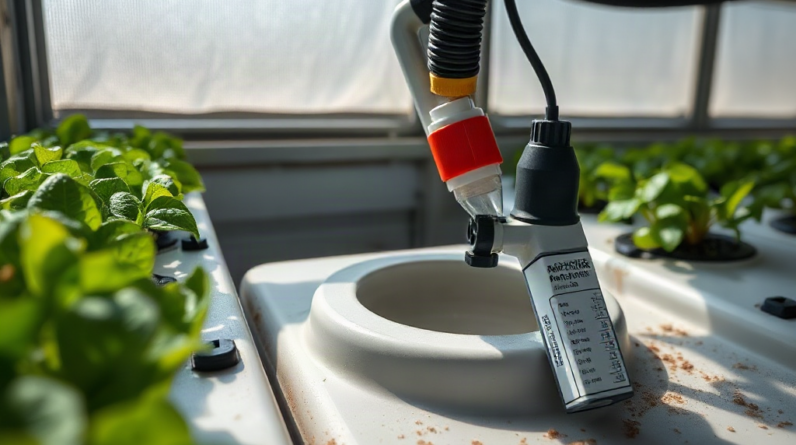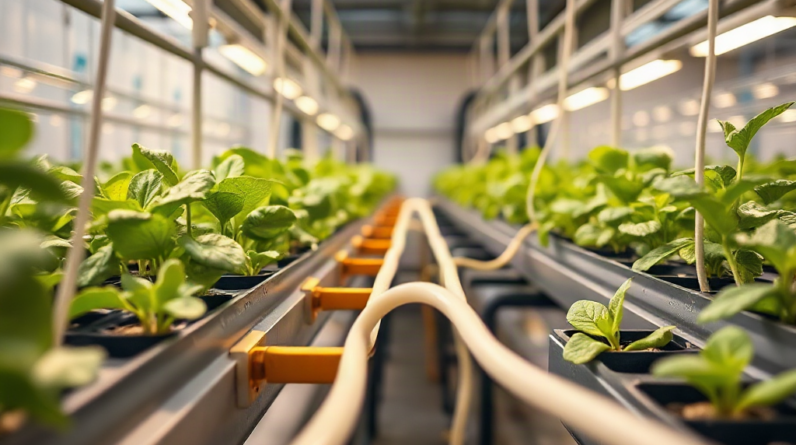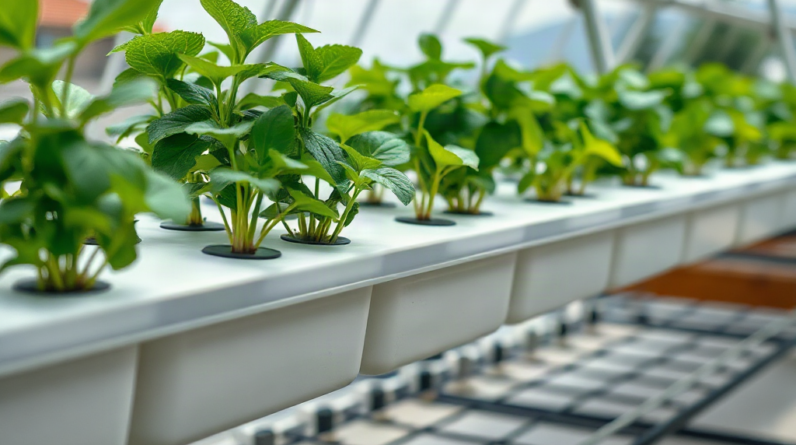

Understanding the components of your nutrient mix is vital for achieving optimal plant health. Each nutrient plays a specific role: nitrogen fosters leaf growth, phosphorus supports root development and flowering, and potassium enhances overall vigor. Without proper nutrition, plants can exhibit symptoms of deficiency, such as yellowing leaves or stunted growth, which can significantly impact yield. Moreover, the pH and electrical conductivity of your nutrient solution must be monitored to ensure nutrient availability.
Many growers underestimate the importance of a tailored nutrient mix. Using a one-size-fits-all solution can lead to imbalances that may not meet the specific needs of different plant species or growth stages. It’s essential to regularly adjust your nutrient mix based on the plants’ growth phase, environmental conditions, and specific crop requirements to achieve the best results.
Understanding Nutrient Composition
The composition of a hydroponic plant nutrient mix typically consists of three primary macronutrients: nitrogen (N), phosphorus (P), and potassium (K), often referred to as NPK. These nutrients are crucial for various plant functions. For instance, nitrogen is vital for leaf and stem growth, phosphorus aids in root development and flowering, while potassium enhances overall plant health and disease resistance.
In addition to these macronutrients, plants also require secondary nutrients like calcium, magnesium, and sulfur, as well as trace elements such as iron, manganese, zinc, and copper. Each nutrient serves a specific purpose, and understanding their roles can help growers create a balanced nutrient mix that promotes optimal growth. Failure to provide adequate amounts of any of these nutrients can lead to deficiencies that adversely affect plant health.
Many growers overlook the significance of micronutrients, which, although required in smaller quantities, are equally important for plant function. For example, iron is essential for chlorophyll production, while magnesium plays a key role in photosynthesis. Regularly testing your nutrient solution and adjusting the mix accordingly can help prevent deficiencies that compromise plant growth.
Common Nutrient Deficiencies
Nutrient deficiencies can manifest in various ways, affecting plant growth and yield. Common signs include yellowing leaves, weak stems, and poor fruit development. For instance, nitrogen deficiency often leads to chlorosis (yellowing) of older leaves as the plant reallocates nitrogen to new growth. Conversely, phosphorus deficiency can cause stunted root growth and delayed flowering.
Identifying and addressing these deficiencies promptly is essential for maintaining plant health. Regularly monitoring the nutrient solution and observing plant symptoms can help growers adjust their nutrient mix effectively. Additionally, understanding the specific nutrient requirements of the plants being grown can aid in tailoring the nutrient solution to avoid deficiencies.
Many growers mistakenly assume that increasing nutrient levels will resolve deficiencies. However, this can lead to nutrient burn and toxicity. Instead, a careful approach that involves testing and gradual adjustments is recommended to achieve a balanced nutrient mix that meets the plants’ needs without causing harm.
Nutrient Mix Formulation
Formulating a hydroponic plant nutrient mix involves selecting the right balance of macronutrients and micronutrients based on the specific crop being grown. Different plants have varying nutrient requirements, and understanding these needs is crucial for effective formulation. For instance, leafy greens may require higher nitrogen levels, while flowering plants may need more phosphorus.
Growers can create their nutrient mixes from scratch using individual nutrient components or utilize pre-mixed solutions available in the market. When formulating a mix, it’s essential to consider the growth stage of the plants, as nutrient needs can change throughout their lifecycle. For example, young seedlings may require a different nutrient ratio compared to mature plants.
Many growers overlook the importance of water quality in nutrient formulation. The source of water used can influence nutrient availability. Hard water, for instance, may contain high levels of calcium and magnesium, which can affect the overall nutrient balance. It’s advisable to test water quality before mixing nutrients to ensure optimal plant growth.
Monitoring and Adjusting Nutrient Solutions
Regular monitoring of nutrient solutions is vital for successful hydroponic growing. Growers should measure the pH and electrical conductivity (EC) of the nutrient solution to ensure that plants are receiving the right nutrient levels. The ideal pH range for most hydroponic crops is between 5.5 and 6.5, while EC levels should be adjusted based on the specific crop requirements.
Adjusting nutrient solutions involves either diluting with water or adding concentrated nutrients based on test results. Many growers make the mistake of neglecting to monitor their solutions regularly, leading to imbalances that can hinder plant growth. Establishing a routine for testing and adjusting nutrient levels can help prevent issues and promote optimal growth.
Additionally, environmental factors such as temperature and humidity can affect nutrient uptake. During warmer months, for example, plants may require more water and nutrients. It’s essential to stay vigilant and adjust the nutrient solution as needed to accommodate changing conditions and ensure healthy plant growth.
Further Reading
Authoritative Sources
- Hydroponics Nutrient Solutions
hydroponics.comA comprehensive resource on nutrient solutions tailored for hydroponic systems, covering various formulations and their applications
- Understanding Plant Nutrition
abc.comDetailed insights into the role of different nutrients in plant growth and how to address deficiencies effectively
- Nutrient Management in Hydroponics
agriculture.govGovernment guidelines on nutrient management practices for hydroponic growing systems
Frequently Asked Questions
What are the main components of a hydroponic plant nutrient mix?
The main components typically include nitrogen, phosphorus, potassium, calcium, magnesium, and trace elements like iron and zinc.
How do I know if my plants are nutrient deficient?
Signs of nutrient deficiency include yellowing leaves, stunted growth, and poor fruit development, which vary depending on the specific nutrient lacking.
Can I use tap water for my nutrient solution?
While tap water can be used, it’s important to test its quality, as high levels of minerals can affect nutrient balance.
How often should I change my nutrient solution?
Generally, it’s recommended to change the nutrient solution every 1-2 weeks, but this can vary based on plant needs and growth stage.
What is the ideal pH for hydroponic nutrient solutions?
The ideal pH range for most hydroponic crops is between 5.5 and 6.5 to ensure optimal nutrient availability.
Conclusion
In summary, a well-balanced hydroponic plant nutrient mix is critical for achieving optimal plant health and maximizing yield. Understanding the specific nutrient requirements of your plants, regularly monitoring your nutrient solutions, and adjusting based on environmental factors are essential practices for successful hydroponic growing. By prioritizing these aspects, growers can avoid common pitfalls associated with nutrient deficiencies and promote vigorous plant growth.