Understanding the soil-free gardening method requires recognizing its advantages and potential pitfalls. While these systems can lead to higher yields and shorter growth cycles, they also demand careful monitoring of nutrient levels, pH balance, and water quality. Mistakes in any of these areas can lead to plant stress or crop failure, which is why aspiring gardeners need to prioritize learning about their chosen method and investing in quality materials.
Common misconceptions about soil-free gardening include the belief that it is overly complicated or expensive. In reality, many systems can be set up with relatively low cost and complexity, especially for beginners. Starting with simple hydroponic kits or DIY setups can make this method accessible and rewarding.
Understanding Hydroponics
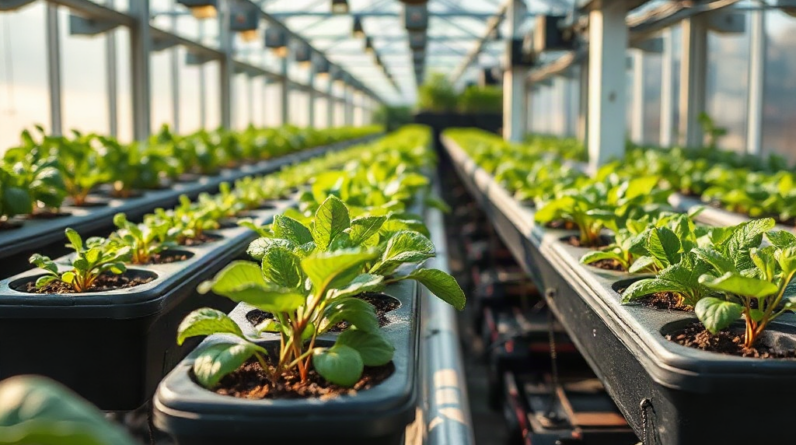
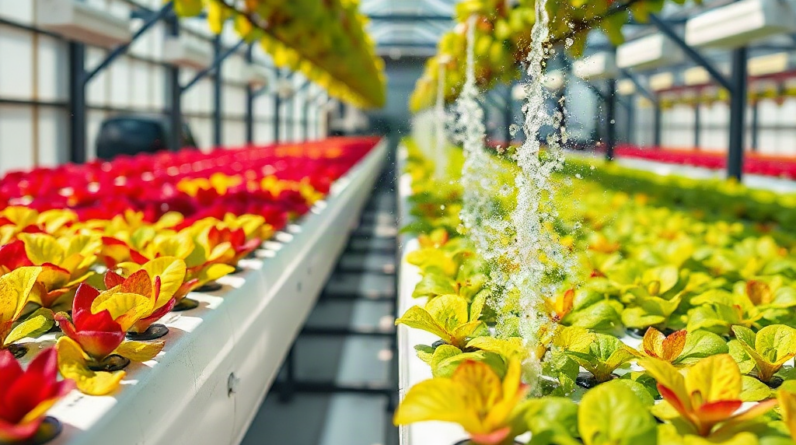
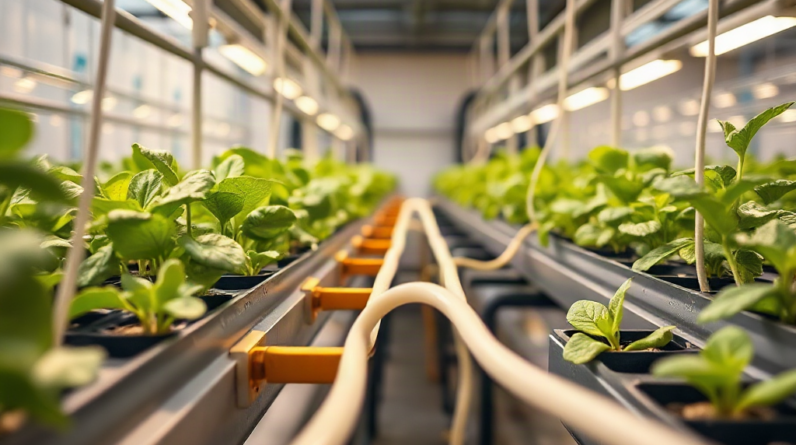
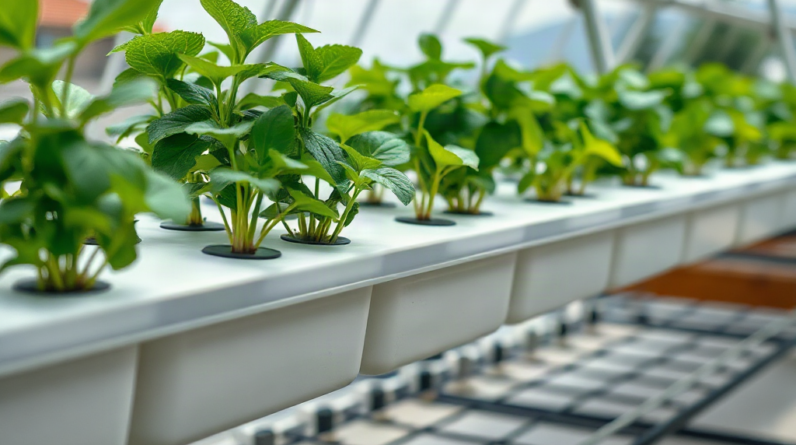
Hydroponics is a method of growing plants in a nutrient-rich water solution instead of soil. This technique allows for greater control over nutrient delivery and can lead to faster plant growth. Hydroponic systems can be simple, such as deep water culture, or more complex, like nutrient film technique (NFT) and aeroponics.
When choosing a hydroponic system, it’s important to consider your available space, budget, and the types of plants you want to grow. Each system has unique requirements and benefits, so matching your goals with the right setup is crucial for success. For instance, NFT systems are efficient for leafy greens, while deep water culture is ideal for larger fruiting plants.
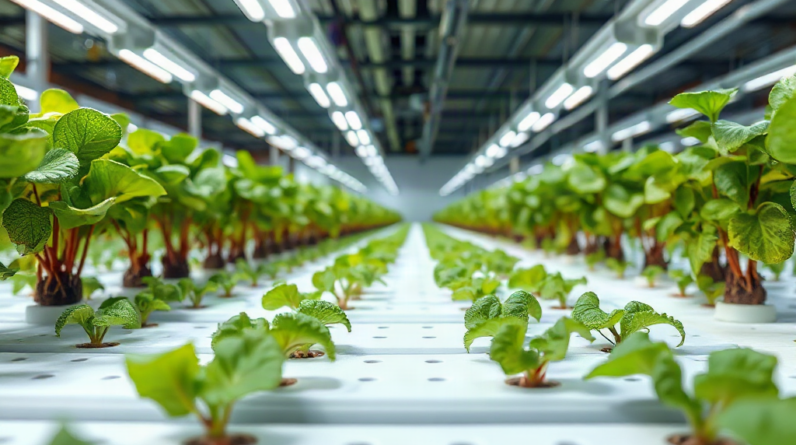
Many beginners overlook the importance of light in hydroponics. Adequate lighting is essential for photosynthesis, and without it, plants can become leggy or fail to thrive. Using grow lights tailored to the specific needs of your plants will ensure robust growth and higher yields.
Choosing the Right Soilless System
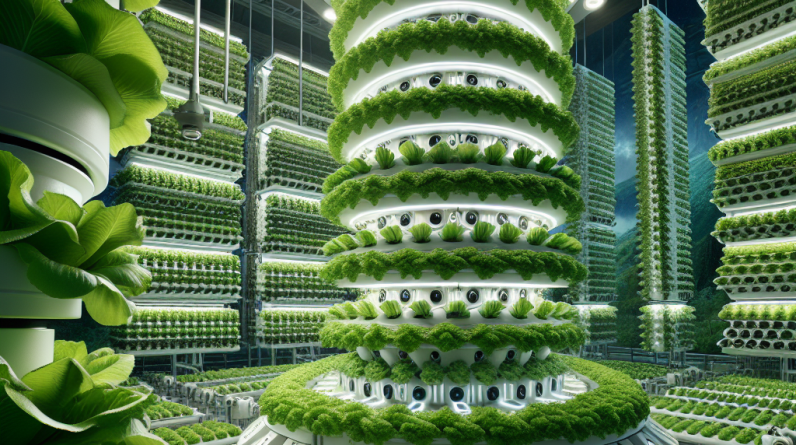
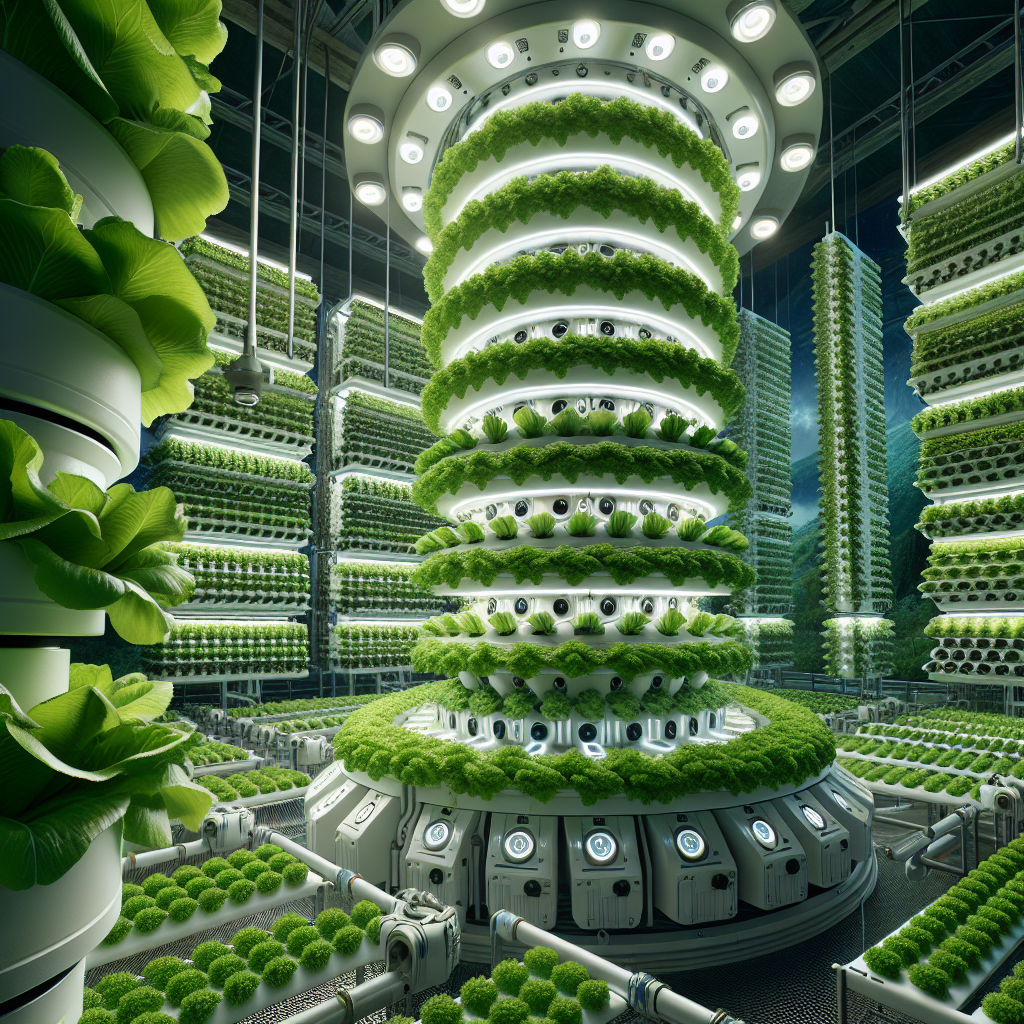
There are several soilless gardening systems available, each with its own advantages. Hydroponics, aquaponics, and aeroponics are among the most popular. Hydroponics relies solely on nutrient solutions, while aquaponics combines fish farming with plant cultivation, creating a symbiotic environment. Aeroponics, on the other hand, suspends plant roots in air and mists them with nutrients.
When selecting a system, consider factors like the types of plants you want to grow, your available space, and your level of experience. For those new to soilless gardening, starting with a simple hydroponics kit can be beneficial. Kits often come with all the necessary components, making it easier to get started.
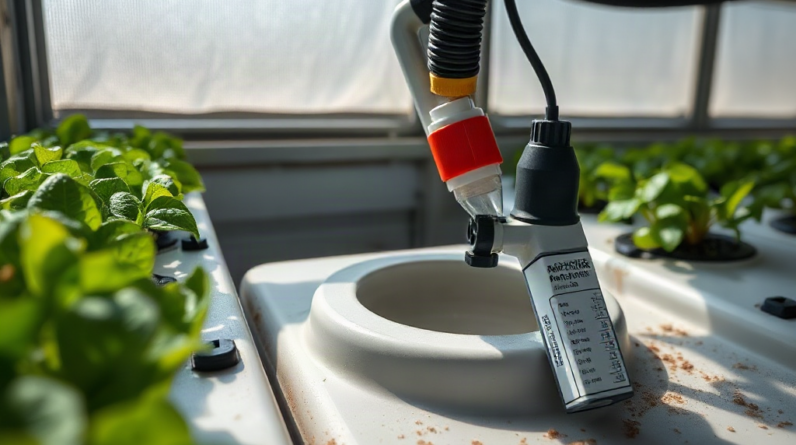
One common mistake is not properly planning for system maintenance. Regularly checking nutrient levels, pH, and water quality is essential for preventing issues that can compromise plant health. Establishing a routine will help ensure that your plants thrive and produce effectively.
Essential Nutrients for Soil-Free Gardening
Plants require a variety of nutrients to grow, and in soil-free systems, these nutrients must be provided through water solutions. Key nutrients include nitrogen, phosphorus, potassium, calcium, magnesium, and trace elements like iron and manganese. Each nutrient plays a specific role in plant health and development.
Understanding nutrient ratios and how they affect plant growth is crucial. For example, a high nitrogen content promotes leafy growth, while phosphorus supports root development and flowering. Using a balanced nutrient solution tailored to the growth stage of your plants will yield the best results.
New gardeners often underestimate the importance of water quality. Using distilled or filtered water can prevent harmful minerals and chemicals from affecting plant health. Additionally, regular monitoring of nutrient levels and adjusting as necessary will help maintain optimal growing conditions.
Common Mistakes to Avoid
Many newcomers to soil-free gardening make common mistakes that can hinder their success. One frequent error is neglecting to monitor water pH levels. A pH that is too high or low can impede nutrient absorption, leading to poor plant health.
Another mistake is over-fertilizing plants. While nutrients are essential, too much can lead to nutrient burn and plant stress. Following the recommended guidelines for nutrient solutions based on plant type and growth stage is crucial for maintaining healthy plants.
Additionally, many gardeners fail to consider environmental factors such as temperature and humidity. These factors can significantly affect plant growth and should be monitored closely to ensure optimal conditions. Investing in a good thermometer and hygrometer can help maintain the right environment for your plants.
Further Reading
Authoritative Sources
- Hydroponics: A Beginner's Guide
hydroponics.comThis resource provides detailed information on various hydroponic systems and best practices for beginners
- Aquaponics Basics
aquaponics.comA comprehensive guide to aquaponics, including setup instructions and nutrient management
- Soilless Gardening Techniques
gardeningknowhow.comThis site offers insights into various soilless gardening methods and tips for success
Frequently Asked Questions
What is the best system for beginners?
A simple hydroponic kit is ideal for beginners, as it comes with all necessary components and instructions.
How often should I check nutrient levels?
Nutrient levels should be checked weekly to ensure optimal plant health and growth.
Can I use tap water for my hydroponics?
Using tap water is possible, but it’s best to use filtered or distilled water to avoid harmful chemicals.
What plants grow best in soilless systems?
Leafy greens, herbs, and certain fruits like strawberries thrive well in soilless systems.
What are the signs of nutrient deficiency?
Signs include yellowing leaves, stunted growth, and poor fruit development, which indicate a lack of essential nutrients.
Conclusion
In summary, the soil-free gardening method presents an innovative approach to growing plants efficiently without traditional soil. By understanding the various systems available and the essential nutrients required, gardeners can successfully cultivate a wide variety of plants. Prioritizing routine maintenance and monitoring environmental conditions will lead to healthier plants and bountiful harvests. Whether you’re a beginner or experienced gardener, exploring soil-free methods can enhance your gardening experience and productivity.