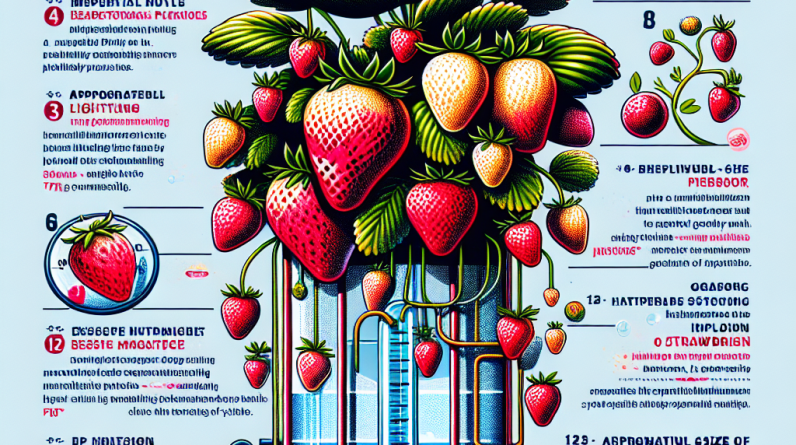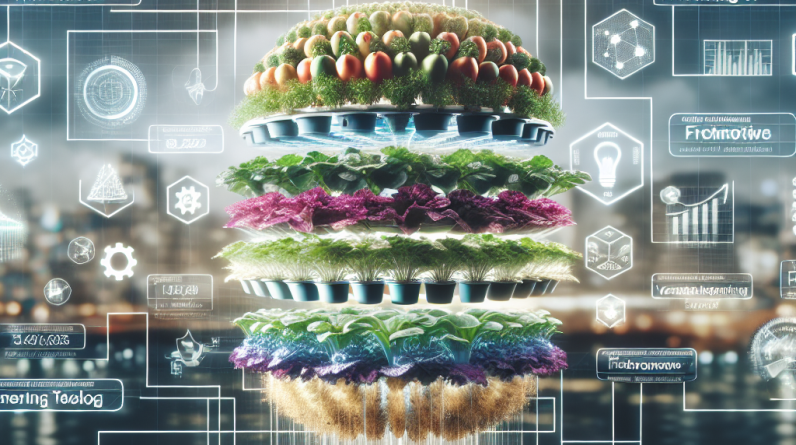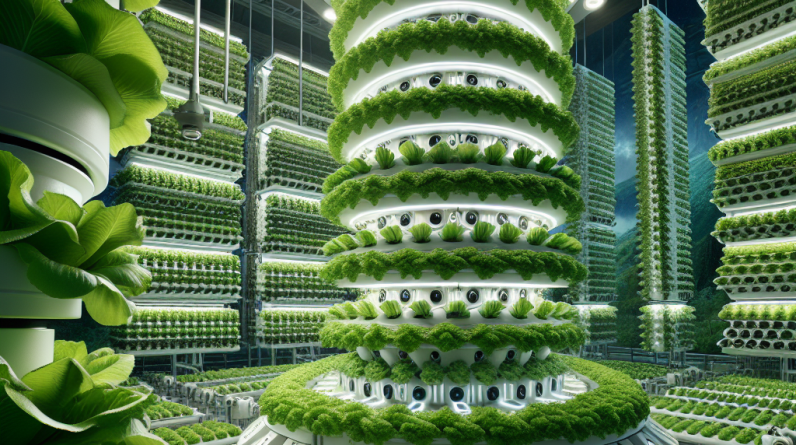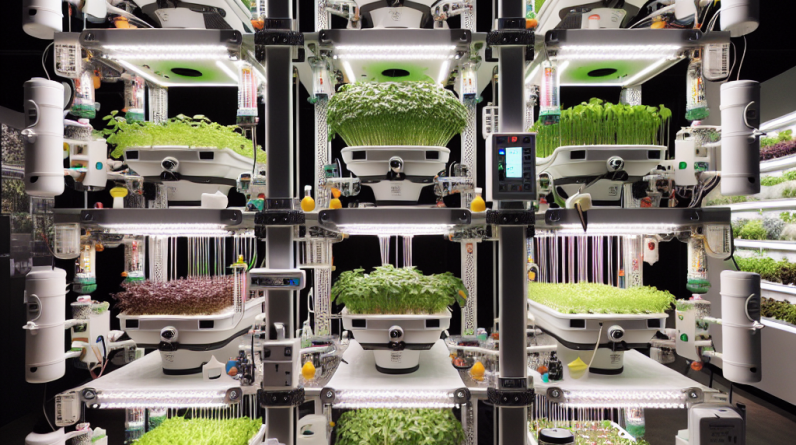
When choosing an indoor hydroponic system, consider the type of system that best suits your needs—whether it’s deep water culture, nutrient film technique, or aeroponics. Each system has its advantages and challenges, and understanding these will help you make an informed decision. Additionally, the choice of lighting is crucial; LED grow lights are popular for their energy efficiency and ability to promote healthy plant growth.
Types of Indoor Hydroponic Systems
There are several types of indoor hydroponic systems, including deep water culture (DWC), nutrient film technique (NFT), aeroponics, and drip systems. Each has unique benefits: DWC is great for beginners due to its simplicity and effectiveness in oxygenating roots, while aeroponics is space-efficient and allows for faster growth rates.
Understanding these types can help you choose one that aligns with your experience level and the types of plants you wish to grow. For instance, if you want to cultivate leafy greens, a DWC system can provide fast growth and easy management, while aeroponics might be better for herbs and fruiting plants.
Essential Features to Consider
Key features to look for in an indoor hydroponic system include automated nutrient delivery, adjustable light settings, and a user-friendly interface. Automated systems can significantly reduce the time spent on maintenance, making it easier for busy individuals to manage their gardens.
Moreover, consider systems that offer flexibility in plant types and growth stages. Some systems allow you to grow seedlings alongside mature plants, maximizing your yield and efficiency. Pay attention to the quality of materials used, as durability can impact the overall lifespan and performance of the system.
Common Mistakes to Avoid
One common mistake is overcomplicating the setup; beginners often choose systems that are too advanced for their skill level. Start with a simpler system to build confidence and understanding before moving on to more complex setups.
Another frequent oversight is neglecting to monitor nutrient levels and pH balance. Regular checks can prevent nutrient deficiencies or toxicities that can harm plant growth. Establishing a routine for maintenance will ensure your system runs smoothly and effectively.
Top Indoor Hydroponic Systems on the Market
Some of the top indoor hydroponic systems include the AeroGarden Bounty, which is known for its user-friendly design and built-in grow lights, and the Click and Grow Smart Garden, which offers a sleek, compact option for small spaces. These systems often come with pre-seeded pods, making it easy to start growing immediately.
When selecting a system, consider factors such as your available space, budget, and the types of plants you wish to grow. Research user reviews and product specifications to find the best match for your indoor gardening goals.
Further Reading
Related Resources
- Home Hydroponic Gardening Ideas: Practical Methods for Growing Fresh Produce Indoors
- Grow Hydroponically Without Sunlight: Effective Methods for Indoor Plant Cultivation
- Hydroponic Air Pump System: Essential Components for Optimal Oxygenation
- Hydroponic Garden Automation: Essential Technologies for Efficient Indoor Growing
Frequently Asked Questions
What is the easiest indoor hydroponic system for beginners?
Deep water culture (DWC) systems are often considered the easiest for beginners due to their straightforward setup and maintenance.
How much does an indoor hydroponic system cost?
Prices vary widely, ranging from $50 for simple kits to over $1,000 for advanced systems. Budget according to your needs and space.
Can I grow any plant in a hydroponic system?
Most plants can be grown hydroponically, but leafy greens and herbs tend to thrive best. Fruiting plants require more attention to nutrient levels.
How often should I change the water in my hydroponic system?
It is recommended to change the water every 1-2 weeks to maintain nutrient balance and prevent algae growth.
Do I need special lights for hydroponics?
Yes, grow lights such as LED or fluorescent lights are essential for providing the necessary light spectrum for plant growth indoors.
Conclusion
Choosing the best indoor hydroponic system involves understanding the various types available and their respective features. Prioritize systems that suit your space, budget, and plant preferences. By avoiding common mistakes and setting up correctly, you can enjoy a thriving indoor garden year-round. Take the time to research and select a system that aligns with your gardening goals, and you’ll reap the rewards of fresh produce right from your home.