Understanding Hydroponics and Aeroponics
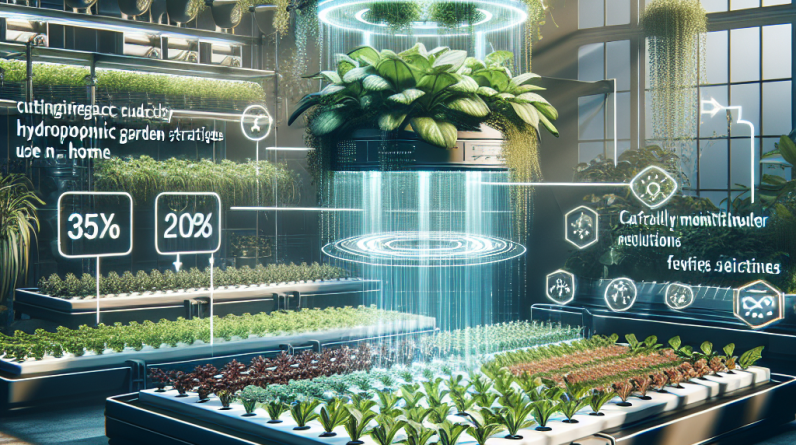
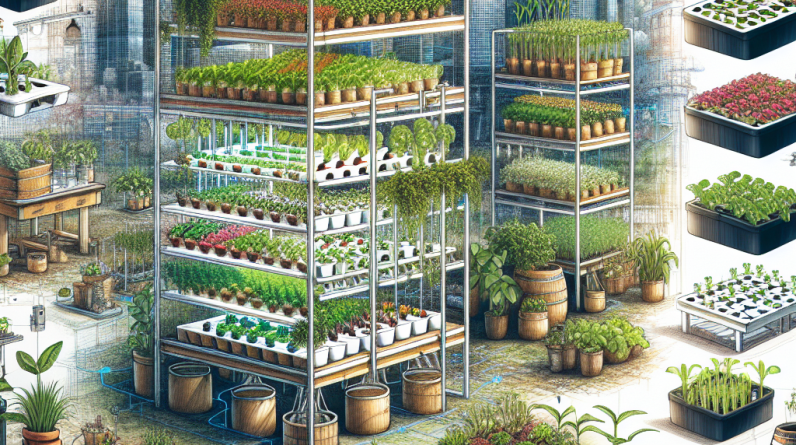
Hydroponics is a method of growing plants in nutrient-rich water solutions, while aeroponics involves suspending plants in air and misting their roots with nutrients. Both methods eliminate the need for soil, allowing for faster growth and easier management of plant health. Hydroponics can be set up in various configurations, including deep water culture, nutrient film technique, and vertical farming systems.
Aeroponics, on the other hand, is often considered the most efficient method, as it uses less water and allows for optimal oxygen exposure to the roots. However, it requires more technical knowledge and equipment than hydroponics. Understanding the differences and advantages of each method is essential for choosing the right approach for your gardening goals.
Benefits of Soil-Free Gardening
The benefits of soil-free gardening extend beyond just faster growth rates. With precise control over nutrient delivery, plants receive exactly what they need to thrive, resulting in healthier crops and higher yields. Additionally, soil-free systems require less water than traditional gardening, making them more sustainable and suitable for regions with water scarcity.
Another advantage is the reduction of pests and diseases commonly associated with soil. Without soil, many soil-borne pathogens are eliminated, leading to healthier plants. This method also allows for year-round gardening, regardless of climate, by utilizing indoor spaces or greenhouses.
Common Mistakes to Avoid
While soil-free gardening offers numerous advantages, beginners often make common mistakes that can hinder their success. One frequent pitfall is neglecting to monitor nutrient levels and pH balance, which can lead to nutrient deficiencies or toxicities. It’s crucial to test the nutrient solution regularly and adjust it based on plant needs.
Another mistake is overwatering or underwatering, as the absence of soil can lead to rapid fluctuations in moisture levels. Establishing a consistent watering schedule and understanding the specific needs of each plant species can mitigate these issues. Lastly, failing to provide adequate light can stunt plant growth; utilizing grow lights can help maintain optimal conditions.
Choosing the Right System for Your Needs
When selecting a soil-free gardening system, consider your available space, budget, and the types of plants you wish to grow. Hydroponic systems can range from simple DIY setups to complex automated systems, while aeroponics often requires more advanced equipment. Researching different systems and reading user reviews can help you make an informed decision.
For beginners, starting with a small hydroponic kit designed for home use can be a manageable way to learn the basics. As your confidence and skills grow, you can explore more advanced systems or even expand your garden to include a variety of crops.
Further Reading
Related Resources
Frequently Asked Questions
What types of plants can be grown using soil-free gardening methods?
Many plants thrive in soil-free environments, including herbs, leafy greens, tomatoes, and strawberries.
Is soil-free gardening more expensive than traditional gardening?
Initial setup costs can be higher for soil-free systems, but they often lead to savings in water and nutrients over time.
How often should I check nutrient levels in a hydroponic system?
Nutrient levels should be checked every week to ensure optimal plant growth and prevent deficiencies.
Can I use tap water for hydroponics?
Using tap water is possible, but it’s important to test for chlorine and other chemicals that may affect plant growth.
What is the best light source for indoor soil-free gardening?
LED grow lights are the most efficient option for providing the necessary spectrum of light for plant growth indoors.
Conclusion
In closing, the soil-free gardening method offers an innovative and efficient way to grow plants without traditional soil, utilizing systems like hydroponics and aeroponics. Understanding the techniques, benefits, and common pitfalls is essential for success. It’s crucial to monitor nutrient levels, choose the right system, and start with manageable crops to build your gardening skill set. By embracing this method, you can enjoy year-round gardening and potentially higher yields, all while minimizing resource use.