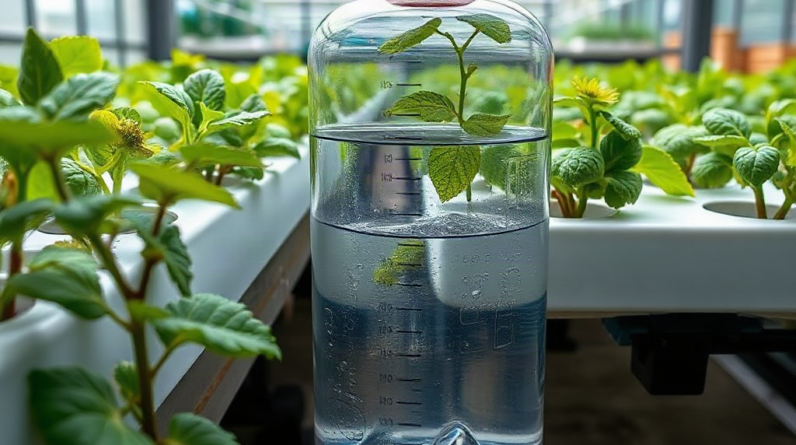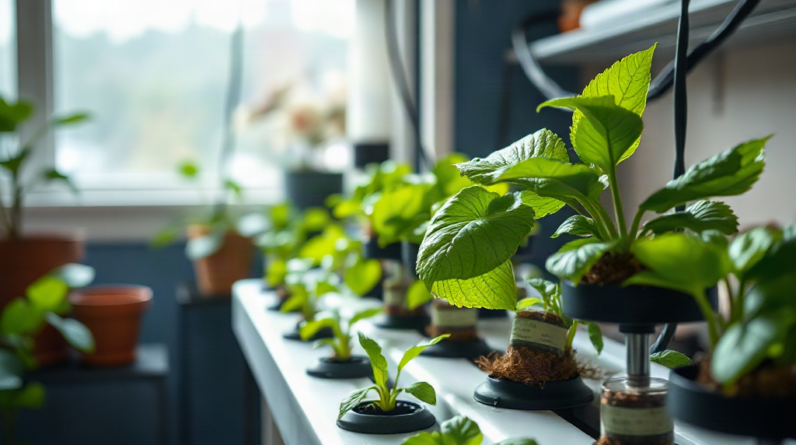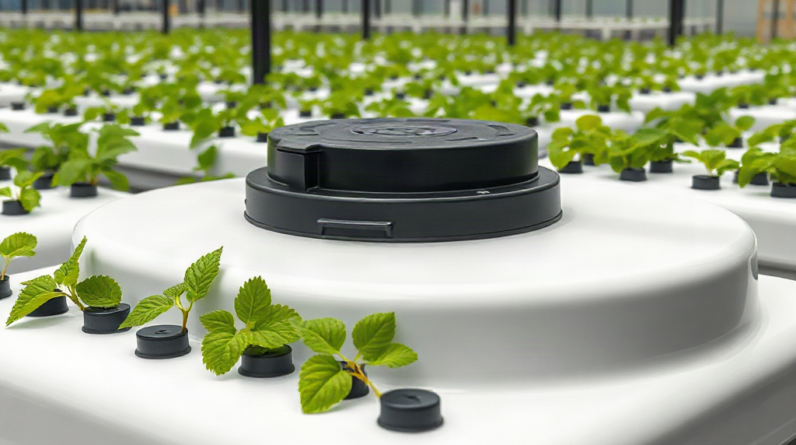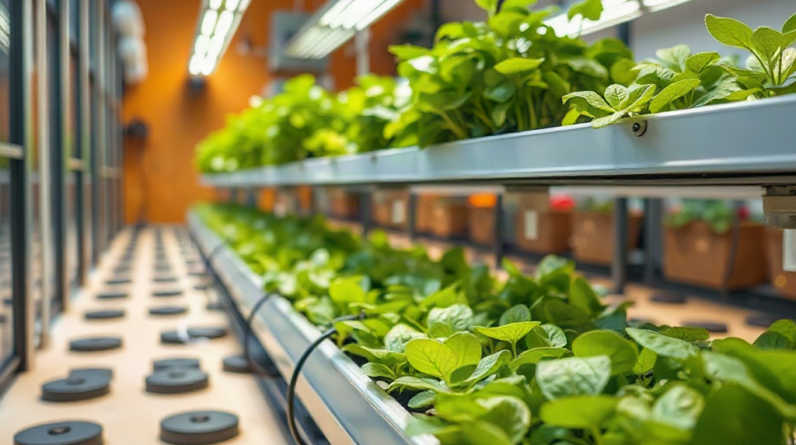
A compact hydroponic grow kit is designed to facilitate indoor gardening by providing all necessary components for soil-less plant cultivation. These kits usually include elements such as nutrient reservoirs, grow lights, and specialized growth mediums, making them accessible for beginners and efficient for seasoned gardeners. By utilizing a compact system, you can grow herbs, vegetables, and even flowers in limited spaces, such as apartments or small homes.
One of the primary advantages of using a compact hydroponic grow kit is the maximization of space, allowing urban dwellers or those with limited outdoor areas to enjoy gardening. Additionally, these kits can lead to faster plant growth compared to traditional soil gardening due to optimized nutrient delivery and the controlled environment provided by grow lights. However, it’s essential to understand the specific requirements of the plants you choose to cultivate, as different species may have varying needs for light, water, and nutrients.
When setting up your compact hydroponic grow kit, ensure you follow the manufacturer’s guidelines closely to avoid common pitfalls, such as overwatering or incorrect nutrient mixing. Regular monitoring of the pH levels and nutrient concentrations is vital for maintaining plant health. Additionally, keep an eye on factors like light intensity and temperature, as these can significantly affect growth rates. With the right setup and care, your compact hydroponic system can yield fresh produce throughout the year.
Benefits of Compact Hydroponic Grow Kits
Compact hydroponic grow kits offer numerous advantages over traditional gardening methods. They allow for year-round cultivation, maximizing yield in limited spaces while minimizing water usage. These systems can also reduce the risk of pests and diseases commonly found in soil gardening.
Moreover, hydroponic systems can be tailored to specific plant types, allowing for a diverse range of crops. By controlling environmental factors such as light and nutrients, you can create optimal conditions for growth, resulting in healthier plants and higher yields. Understanding these benefits can help you prioritize your gardening efforts effectively.
Essential Components of a Hydroponic Kit
Each compact hydroponic grow kit typically includes several key components, such as a reservoir for nutrient solution, a pump for water circulation, and grow lights for photosynthesis. Some kits may also come with growth mediums like rock wool or clay pellets, which support plant roots while retaining moisture.
It’s important to familiarize yourself with these components and their functions. For instance, the reservoir should be large enough to hold sufficient nutrient solution for your plants, while the pump must be reliable to ensure proper water distribution. Knowing how each part works will help you troubleshoot any issues that may arise during your growing journey.
Setting Up Your Grow Kit
To successfully set up your compact hydroponic grow kit, begin by selecting a suitable location with adequate light exposure or plan to install grow lights. Once you have your space, assemble the kit according to the manufacturer’s instructions, ensuring that all connections are secure.
After assembling, fill the reservoir with water and mix in the recommended nutrients. Adjust the pH levels as needed, using a pH meter for accuracy. Finally, plant your seeds or seedlings in the growth medium and monitor their progress closely. Proper setup is essential for achieving optimal growth and preventing common issues.
Common Mistakes to Avoid
While using a compact hydroponic grow kit can be straightforward, several common mistakes can hinder your success. One of the most frequent issues is overwatering, which can lead to root rot and nutrient deficiencies. Always ensure that the water levels in the reservoir are appropriate and that the roots are not submerged excessively.
Another mistake is neglecting to monitor nutrient levels and pH balance. Regular checks are vital to maintain a healthy growing environment. Additionally, avoid overcrowding your plants, as this can limit their access to light and essential nutrients. By being aware of these pitfalls, you can enhance your gardening experience.
Frequently Asked Questions
What is a compact hydroponic grow kit?
A compact hydroponic grow kit is a complete system designed for growing plants without soil, typically including essential components like a reservoir, grow lights, and nutrient solutions.
How do I set up a compact hydroponic grow kit?
To set up a compact hydroponic grow kit, assemble the components as per the instructions, fill the reservoir with water and nutrients, adjust the pH, and plant your seeds or seedlings in the growth medium.
What plants can I grow in a compact hydroponic kit?
You can grow a variety of plants, including herbs, leafy greens, and small vegetables, in a compact hydroponic kit, depending on the light and nutrient requirements.
How often should I change the nutrient solution?
It is recommended to change the nutrient solution every two to three weeks to ensure that the plants receive fresh nutrients and to prevent buildup of harmful substances.
What are common mistakes in hydroponic gardening?
Common mistakes include overwatering, neglecting pH balance, and overcrowding plants, all of which can negatively impact growth and health.
Conclusion
In summary, a compact hydroponic grow kit offers a practical solution for indoor gardening, maximizing space and efficiency. By understanding the essential components, benefits, and common pitfalls associated with these kits, you can set yourself up for successful cultivation. Prioritize proper setup, regular monitoring, and care to enjoy fresh produce year-round. Take the next step in your gardening journey by investing in a compact hydroponic grow kit and experiencing the joys of soil-less gardening.
Related Content
- Hydroponic Garden Return On Investment Factors For Payback Planning And Crop Choice
- Urban Farming Revolution: Hydroponics Leads the Way
- Why Your Hydroponic Cucumbers Are Not Producing: Common Causes and Solutions
- The No-Mess Way to Farm Indoors
- How to Choose the Right Hydroponic System for Herbs: Key Factors and Practical Steps