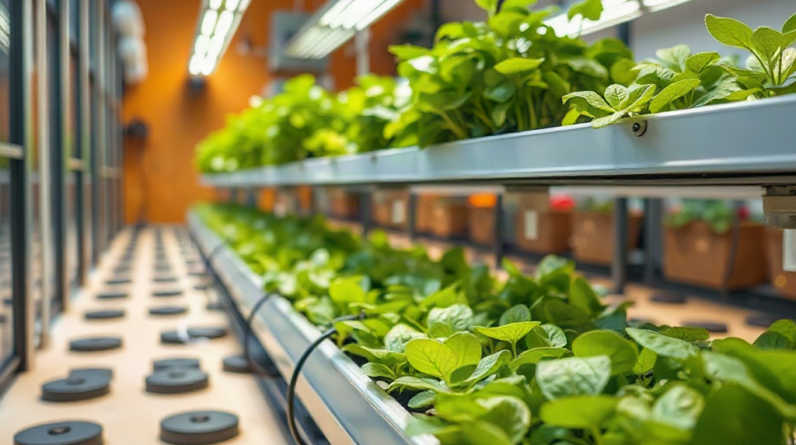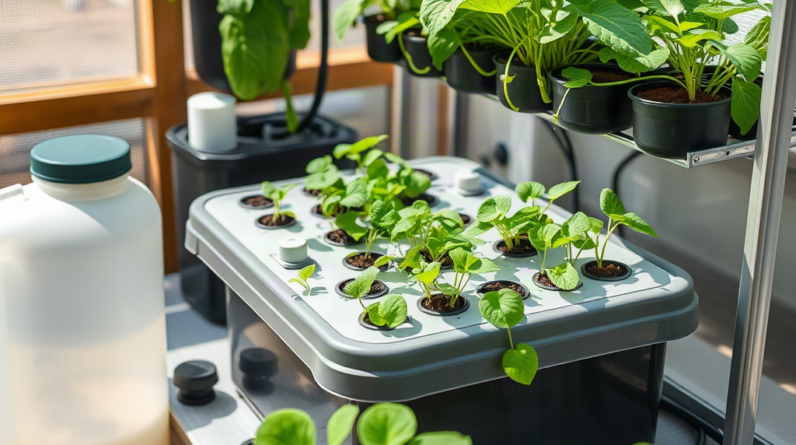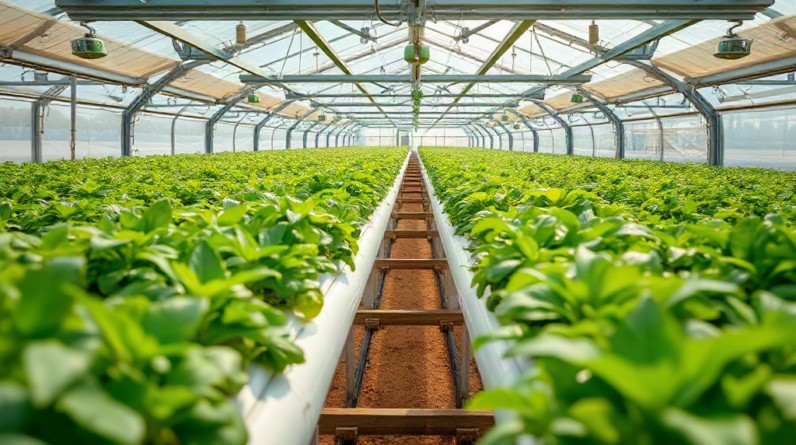

Hydroponic growing techniques are innovative methods that allow plants to thrive without soil by delivering nutrients directly to their roots through water solutions. This approach optimizes plant growth and yield by creating a controlled environment where essential nutrients, water, and oxygen are perfectly balanced. By utilizing various systems such as nutrient film technique (NFT), deep water culture (DWC), or aeroponics, growers can achieve faster growth rates and higher crop quality compared to traditional soil-based methods.
Understanding these techniques is crucial for maximizing productivity in limited spaces, such as urban environments or indoor gardens. Therefore, it is vital to monitor and adjust these factors continually to ensure optimal plant health and productivity.
Nutrient Solutions in Hydroponics
Nutrient solutions are the lifeblood of hydroponic systems, providing essential minerals and elements that plants require for growth. A well-balanced nutrient solution typically includes macronutrients like nitrogen, phosphorus, and potassium, as well as micronutrients such as iron, manganese, and zinc. The pH of the solution should be maintained between 5.5 and 6.5 to ensure optimal nutrient uptake.
Over-fertilization is a common pitfall, leading to nutrient burn and impaired plant growth. Growers should regularly test the nutrient solution and adjust concentrations based on plant growth stages. Using quality nutrients designed for hydroponic systems is also crucial for achieving the best results.
Types of Hydroponic Systems
There are several hydroponic systems, each with unique advantages. The nutrient film technique (NFT) circulates a thin layer of nutrient solution over the roots, while deep water culture (DWC) suspends roots in a nutrient-rich oxygenated solution. Aeroponics utilizes misting to deliver nutrients, making it highly efficient for fast-growing crops.
Choosing the right system depends on the available space, budget, and types of plants being grown. For example, NFT is suitable for leafy greens, while DWC can support larger fruiting plants. Each method requires careful monitoring to ensure that plants receive the necessary nutrients and oxygen.
Environmental Considerations
Environmental factors such as light, temperature, and humidity play a significant role in hydroponic success. Grow lights are essential for indoor systems, with options ranging from fluorescent to LED, depending on the plant species and growth stage. Temperature should be kept between 65°F and 75°F for optimal growth.
Humidity levels should be maintained between 40% and 70%, as excessive humidity can lead to mold and disease. Employing fans and dehumidifiers can help regulate these conditions. Monitoring these factors closely will help prevent issues that could compromise plant health.
Common Mistakes in Hydroponic Growing
Many newcomers to hydroponics make critical mistakes that can hinder their success. One frequent error is neglecting pH and nutrient levels, leading to nutrient deficiencies or toxicities. Regular testing and adjustments are vital to maintaining a healthy growing environment.
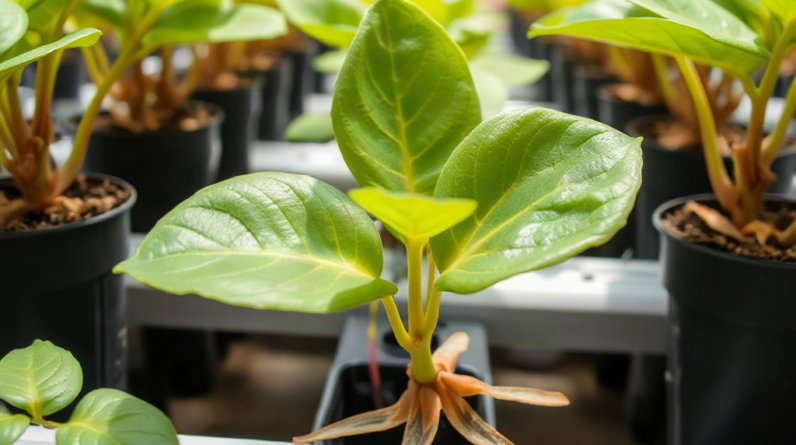
Another common pitfall is inadequate lighting, which can result in leggy plants that struggle to produce. Ensuring that plants receive the right spectrum and intensity of light for their growth stage is essential. Additionally, failing to monitor water levels and oxygenation can lead to root rot, drastically impacting plant health.
Frequently Asked Questions
What are the benefits of hydroponic growing techniques?
Hydroponic growing techniques allow for faster plant growth, higher yields, and the ability to grow in limited space, making them ideal for urban gardening.
How often should I change the nutrient solution?
It is recommended to change the nutrient solution every 1-2 weeks to prevent nutrient imbalances and maintain plant health.
Can I grow any plant hydroponically?
While many plants can be grown hydroponically, leafy greens and herbs tend to thrive best, while larger fruiting plants may require more robust systems.
What is the ideal pH level for hydroponics?
The ideal pH level for hydroponic systems is between 5.5 and 6.5 to ensure optimal nutrient absorption by the plants.
Do I need to use grow lights for indoor hydroponics?
Yes, grow lights are essential for indoor hydroponic systems to provide the necessary light spectrum and intensity for photosynthesis.
Conclusion
Incorporating hydroponic growing techniques into your gardening practices can significantly enhance plant growth and yield potential. By understanding the importance of nutrient solutions, choosing the appropriate system, and managing environmental factors, you can create an optimal growing environment. Avoiding common mistakes such as neglecting pH levels and lighting will further ensure success. As you explore this method, continuous learning and adjustment will be key to maximizing your hydroponic garden’s potential.
Related Content
- How to Deal with Water Evaporation in Hydroponics: Effective Strategies and Practical Solutions
- How to Use Coco Coir in Hydroponic Systems Effectively
- Hydroponic Growing System Review
- Benefits of Hydroponic Farming in Small Spaces
- Hydroponic Growing Tips: Essential Techniques for Maximizing Yield and Health