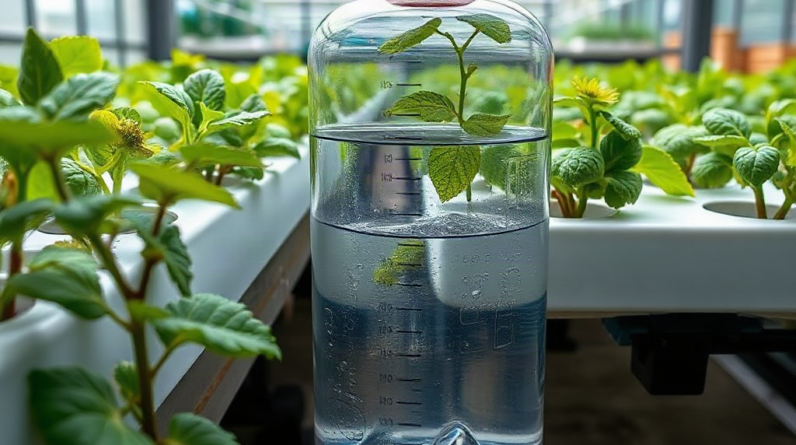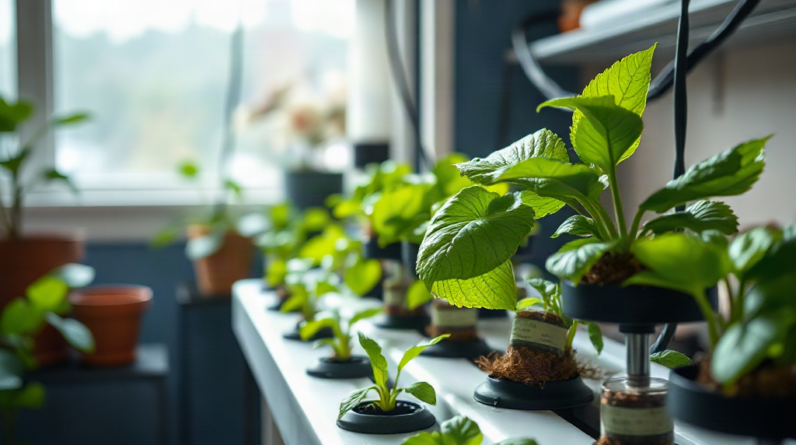

Identifying signs of nutrient deficiencies in hydroponic plants is crucial for maintaining optimal growth and yield. Common symptoms include yellowing leaves, stunted growth, and poor fruit development, each signaling specific nutrient imbalances. For instance, yellowing often indicates a nitrogen deficiency, while fruit quality issues may stem from insufficient potassium.
Understanding these symptoms allows growers to take timely action. Regular monitoring of nutrient solutions and plant health is vital to ensure that plants receive the essential elements they need. It’s also important to know that over-fertilization can lead to nutrient lockout, which exacerbates deficiencies and can damage plant roots. Adjusting nutrient levels based on observed symptoms can help restore balance and promote healthy growth.
Understanding Nutrient Deficiencies
Nutrient deficiencies occur when plants do not receive adequate amounts of essential nutrients from the hydroponic solution. Each nutrient plays a specific role in plant health and development, and deficiencies can manifest in various ways. Understanding these roles helps in diagnosing and addressing issues effectively.
In hydroponics, the nutrient solution must be balanced and tailored to the specific needs of the plants being grown. For optimal growth, key nutrients like nitrogen, phosphorus, potassium, calcium, magnesium, and trace elements must be present in appropriate ratios. Regular testing of the nutrient solution can help prevent deficiencies before they impact plant health.
Common Nutrient Deficiency Symptoms
Each nutrient deficiency presents unique symptoms that can help in diagnosis. For example, nitrogen deficiency often results in older leaves turning yellow, while magnesium deficiency can lead to interveinal chlorosis, where the areas between leaf veins yellow while veins remain green. Phosphorus deficiency can cause dark green or purplish leaves and stunted growth.
Identifying these symptoms early is crucial. Monitoring plants regularly allows growers to spot issues before they worsen. Additionally, understanding the specific nutrient needs of different plants can help tailor nutrient solutions effectively, ensuring optimal growth and yield.
Diagnosing Nutrient Deficiencies
Diagnosing nutrient deficiencies involves careful observation and analysis of plant health. Look for patterns in leaf discoloration, growth patterns, and overall vigor. Compare symptoms against known nutrient deficiency charts to pinpoint specific deficiencies.
Keep in mind that symptoms may vary depending on the plant species and environmental conditions. Soil pH, water quality, and light exposure can also affect nutrient availability. Therefore, consider conducting soil tests to confirm nutrient levels and adjust your hydroponic solution accordingly.
Solutions for Nutrient Deficiencies
Addressing nutrient deficiencies requires a proactive approach. Once a deficiency is identified, adjust the nutrient solution to restore balance. For example, if nitrogen deficiency is suspected, increase nitrogen levels in the solution. Additionally, consider supplementing with micronutrients if deficiencies in trace elements are evident.
It is essential to follow a regular feeding schedule and adjust nutrient concentrations based on plant growth stages. Always monitor plant responses after adjustments to ensure that the solution effectively meets their needs without causing nutrient burn or lockout.
Further Reading
Authoritative Sources
- USDA National Institute of Food and Agriculture
nifa.usda.govResearch and extension resources related to agriculture, plants, soil, and food systems
- Extension Foundation Gardening Resources
extension.orgUniversity extension education resources for practical gardening and home agriculture topics
- USDA Natural Resources Conservation Service
nrcs.usda.govSoil, water, conservation, and land management resources for practical growing decisions
Frequently Asked Questions
What are the most common signs of nutrient deficiencies in hydroponic plants?
Common signs include yellowing leaves, stunted growth, and poor fruit development, each indicating specific nutrient imbalances.
How can I prevent nutrient deficiencies in my hydroponic system?
Regularly monitor your nutrient solution’s composition and pH, and adjust based on plant needs and growth stages.
What should I do if I suspect a nutrient deficiency?
Identify the symptoms, compare them with nutrient deficiency charts, and adjust your nutrient solution accordingly.
Can over-fertilization cause problems in hydroponic plants?
Yes, over-fertilization can lead to nutrient lockout, where plants cannot absorb nutrients effectively, worsening deficiencies.
Which nutrients are most critical for hydroponic plants?
Nitrogen, phosphorus, potassium, calcium, and magnesium are essential for healthy growth and development in hydroponic systems.
Conclusion
Understanding and recognizing the signs of nutrient deficiencies in hydroponic plants is vital for successful cultivation. Regular monitoring and timely adjustments to nutrient solutions can prevent deficiencies and ensure healthy growth. By identifying symptoms early, growers can take corrective actions to restore balance, leading to improved plant health and productivity. Prioritize a balanced nutrient approach and be vigilant about detecting issues before they escalate.
Related Content
- Common Problems in Hydroponic Gardening and How to Solve Them
- How to Manage Root Health for Crop Productivity: Checks, Causes, and Recovery Steps
- Food-Grade Materials For Hydroponic Systems: Plastics, Metals, Sealants, And Safe Selection
- Beginner Hydroponic Vegetables: Essential Varieties and Growing Techniques
- How to Keep Hydroponic Plants Healthy in Winter: Essential Strategies for Optimal Growth