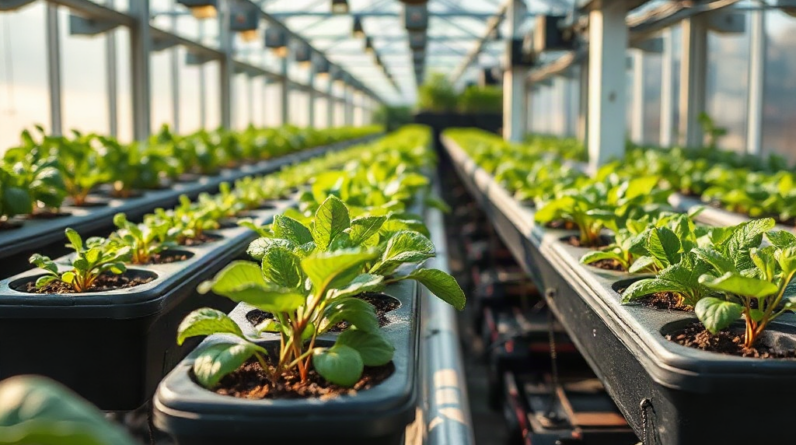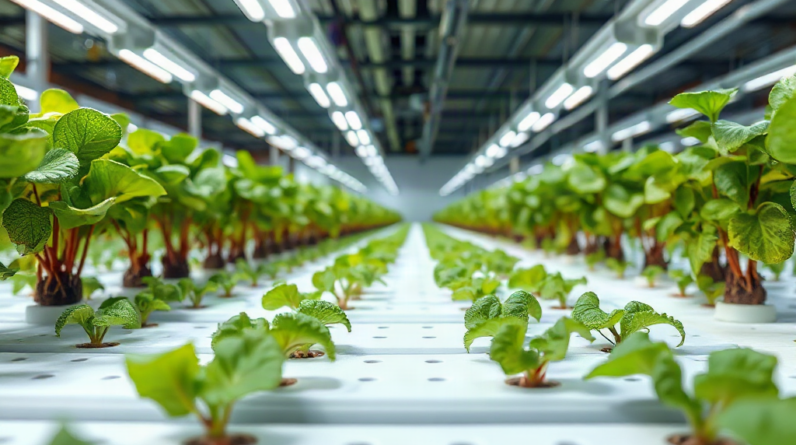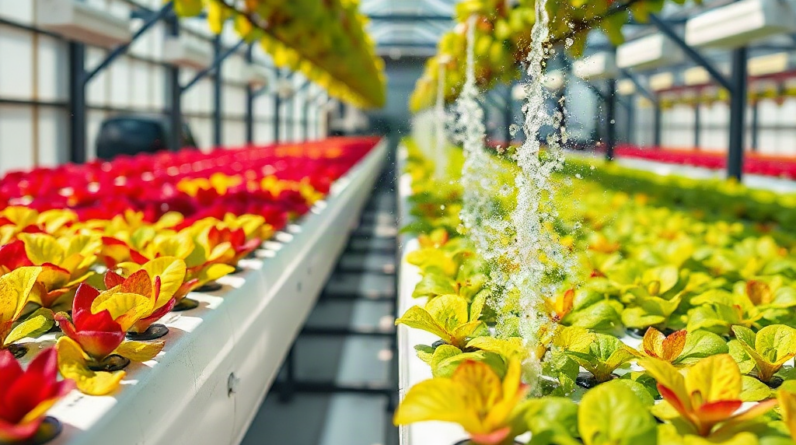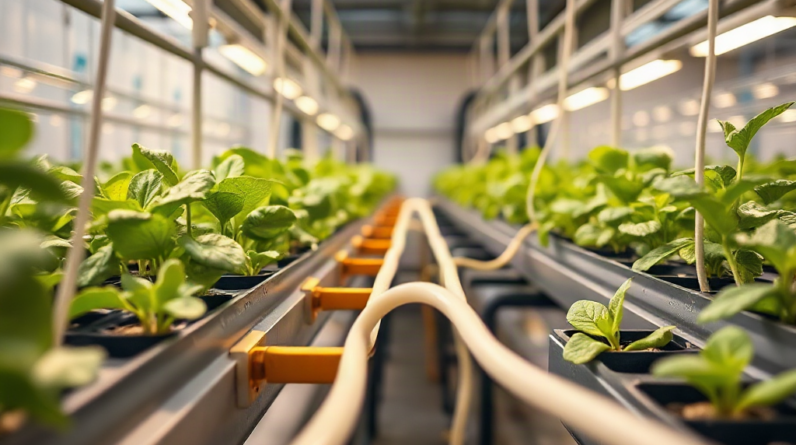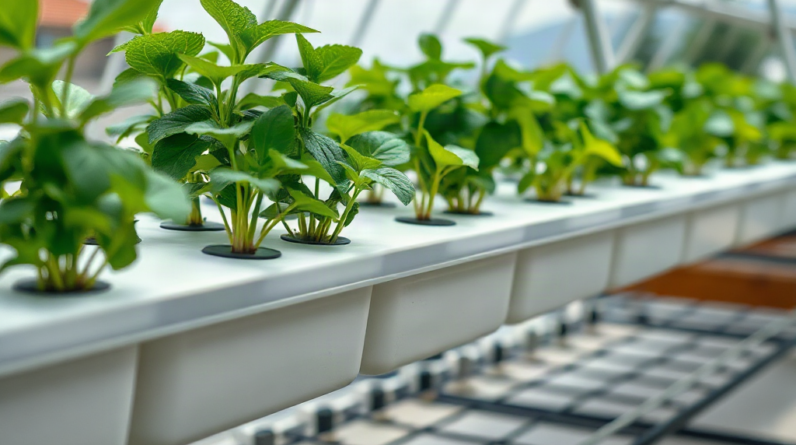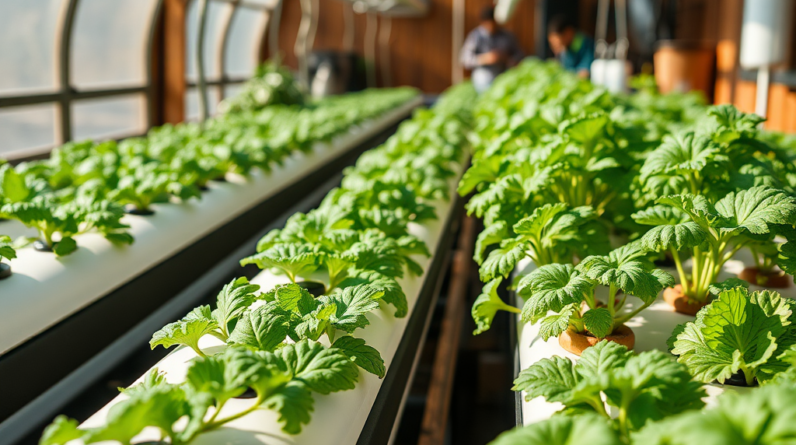
Knowing when to harvest your hydroponic crops is essential for achieving the best flavor and yield. The timing for harvest can vary significantly depending on the type of crop you are growing. For instance, leafy greens such as lettuce and spinach are typically ready for harvest within 4 to 6 weeks of planting, while fruit-bearing plants like tomatoes and peppers may take anywhere from 8 to 12 weeks. Key indicators of readiness include the size, color, and firmness of the produce, along with the overall health of the plant.
Proper timing in harvesting can make a substantial difference in your final product. Crops that are harvested too early may lack flavor and texture, while those left too long can become overripe, affecting both taste and shelf life. To avoid these pitfalls, regularly monitor your plants and familiarize yourself with the specific growth patterns of each crop type. This ensures that you can make informed decisions about the best time to harvest.
Understanding Crop Maturity
Crop maturity is a critical concept in hydroponic gardening. It refers to the stage at which a plant has developed enough to be harvested for optimal taste and texture. Each type of crop has its own maturity timeline, which is influenced by various factors such as nutrient availability, light exposure, and temperature. Understanding these factors helps growers plan their harvests effectively.
To determine crop maturity, it is essential to consult specific growth requirements for each type of plant. For example, while leafy greens may be harvested young for tender leaves, fruiting crops should be allowed to develop fully to achieve their best flavor. Keeping a growth diary can help track the development stages of your crops and identify patterns that might emerge over time.
Signs of Ripeness
Recognizing the signs of ripeness is vital for ensuring that you harvest your hydroponic crops at the right moment. Common indicators include changes in color, size, and texture. For instance, tomatoes should turn a deep red, while peppers may show a bright color when ripe. Leafy greens should have a vibrant color and firm texture, indicating they are ready for harvesting.
It’s also important to observe the plant’s overall health. A healthy plant will exhibit strong foliage and robust growth. A decline in leaf health may signify that the plant is past its prime and should be harvested soon. Regularly inspecting your plants and monitoring these signs will lead to better harvest outcomes.
Harvesting Techniques
Effective harvesting techniques can enhance the quality of your produce. For leafy greens, using sharp scissors or shears to cut at the base of the stem can help avoid damaging the plant, allowing it to continue growing. For fruiting plants, gently twisting or cutting the fruit from the vine ensures minimal harm to the plant.
Additionally, timing your harvest during cooler parts of the day, such as early morning or late afternoon, can improve the freshness and shelf life of your crops. This practice minimizes stress on the plants and helps maintain optimal moisture levels.
Post-Harvest Care
Post-harvest care is crucial for maintaining the quality of your hydroponic produce. After harvesting, crops should be rinsed gently and stored in a cool, dark place to extend their freshness. Proper storage conditions can significantly impact the taste and nutritional value of your crops.
For leafy greens, consider wrapping them in a damp cloth and placing them in a sealed container to maintain moisture. For fruits and vegetables, refrigeration is often the best option. Understanding how to care for your crops post-harvest ensures that you enjoy the best flavors and nutritional benefits.
Further Reading
Authoritative Sources
- USDA National Institute of Food and Agriculture
nifa.usda.govResearch and extension resources related to agriculture, plants, soil, and food systems
- Extension Foundation Gardening Resources
extension.orgUniversity extension education resources for practical gardening and home agriculture topics
- USDA Natural Resources Conservation Service
nrcs.usda.govSoil, water, conservation, and land management resources for practical growing decisions
Frequently Asked Questions
How can I tell if my hydroponic crops are ready to harvest?
Look for visual signs such as size, color, and texture specific to each crop. For instance, tomatoes should be fully colored, while leafy greens should be vibrant and firm.
What happens if I harvest too early?
Harvesting too early can result in crops that lack flavor and nutritional quality, potentially leading to a disappointing eating experience.
Is there a best time of day to harvest crops?
Yes, harvesting during cooler times, such as early morning or late afternoon, helps preserve the freshness and moisture of the crops.
How should I store my harvested crops?
Store harvested crops in a cool, dark place, using methods like wrapping leafy greens in a damp cloth or refrigerating fruits and vegetables to maintain freshness.
Can I re-harvest from the same plant?
Yes, many leafy greens can be cut back and allowed to regrow, providing multiple harvests from the same plant.
Conclusion
Knowing when to harvest your hydroponic crops is essential for maximizing both flavor and yield. By understanding crop maturity, recognizing signs of ripeness, and employing effective harvesting techniques, you can ensure the best outcomes. Additionally, proper post-harvest care will help maintain the quality of your produce. Stay attentive to your plants and enjoy the fruits of your labor!