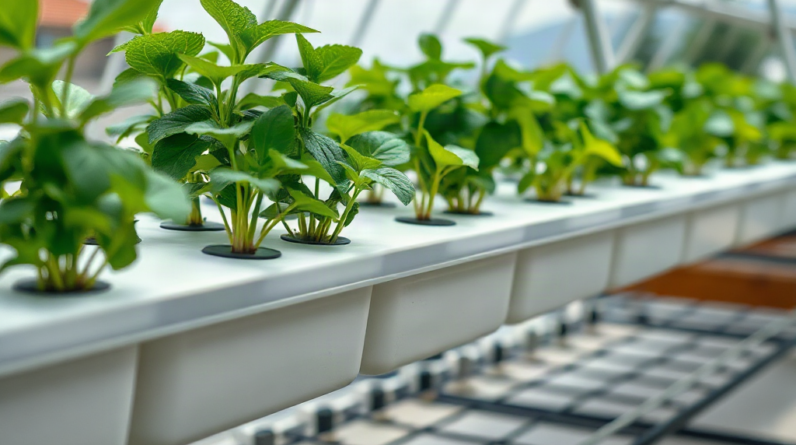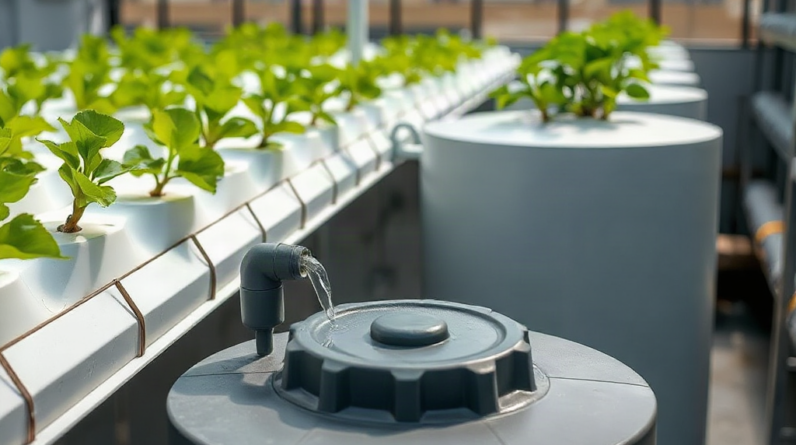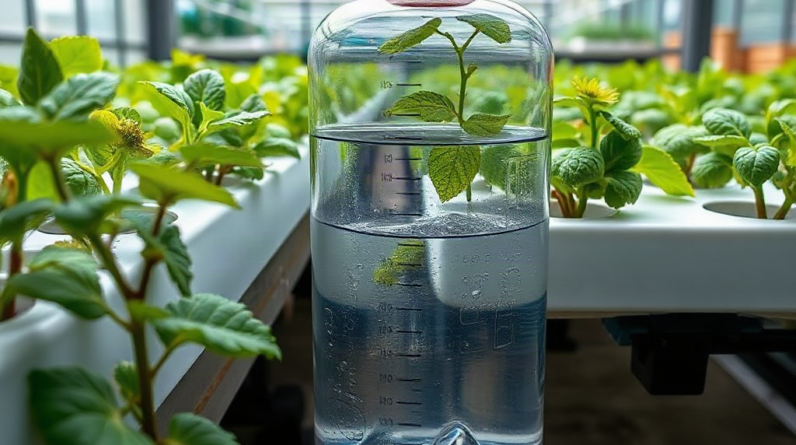
The impact of oxygen levels on hydroponic growth is essential for ensuring that plants thrive. Adequate oxygen in the nutrient solution supports root respiration, which is crucial for nutrient uptake and overall plant health. If oxygen levels are too low, plants may experience root rot and stunted growth, while optimal oxygenation can lead to robust growth and increased yields.
In hydroponic systems, maintaining the right oxygen levels is vital, particularly in the nutrient solution. Oxygen is necessary for aerobic respiration, which allows roots to convert nutrients into energy. Without sufficient oxygen, roots can become anaerobic, leading to detrimental conditions such as root rot. It’s important to monitor and adjust oxygen levels to ensure plants receive the necessary support for healthy growth.
Understanding Oxygen’s Role in Hydroponics
Oxygen plays a critical role in hydroponic systems, as it is vital for root respiration. Roots require oxygen to break down sugars and release energy for growth. In hydroponics, where roots are submerged in nutrient solutions, oxygen levels can quickly deplete. This depletion can lead to a range of issues, including poor nutrient absorption and compromised plant health.
To optimize oxygen levels, hydroponic gardeners should consider factors such as water temperature, nutrient solution composition, and aeration methods. Warmer water holds less dissolved oxygen, making it crucial to maintain a cooler nutrient solution. Additionally, using aeration techniques like air stones or pumps can help introduce oxygen into the water, ensuring that roots have access to the necessary gas for healthy growth.
How Oxygen Levels Affect Plant Growth
Oxygen levels directly impact plant growth in hydroponic systems. When oxygen is abundant, plants can efficiently absorb nutrients, leading to faster growth rates and improved overall health. Conversely, low oxygen levels can cause plants to struggle, resulting in smaller, less vigorous plants that are more susceptible to disease.
Monitoring oxygen levels is essential, as even minor fluctuations can have significant effects. For instance, if oxygen levels drop below 5 mg/L, many plants will begin to exhibit stress. Regularly testing and adjusting oxygen levels in the nutrient solution can prevent these issues and promote robust plant development.
Common Mistakes in Oxygen Management
Many hydroponic gardeners overlook the importance of oxygen management. A common mistake is not regularly checking the dissolved oxygen levels in the nutrient solution. Without proper monitoring, oxygen levels can fall dangerously low, leading to detrimental consequences for plant health.
Another mistake is using nutrient solutions that are too dense, which can limit oxygen diffusion. It is vital to strike a balance between nutrient concentration and oxygen availability. Additionally, failing to aerate the nutrient solution or using inadequate aeration methods can further exacerbate oxygen depletion. Implementing a comprehensive oxygen management strategy is crucial for successful hydroponic gardening.
Best Practices for Oxygenation
To maintain optimal oxygen levels in hydroponic systems, several best practices should be followed. First, regularly test the dissolved oxygen levels in the nutrient solution, aiming for at least 6-8 mg/L for most plants. This can be done using a dissolved oxygen meter or test kit.
Secondly, aerate the nutrient solution using air stones, diffusers, or pumps to increase oxygen levels. Additionally, consider incorporating hydrogen peroxide in small amounts, which can temporarily boost oxygen levels in the solution. Finally, keep the water temperature within the optimal range (around 65-75°F) to maximize oxygen retention.
Further Reading
Authoritative Sources
- Hydroponics Basics
hydroponics.comThis source provides foundational knowledge on hydroponics, including oxygen management techniques
- Gardening Know How
gardeningknowhow.comA resource for practical gardening advice that includes information on nutrient solutions and oxygen levels
- ResearchGate
researchgate.netAccess to peer-reviewed studies on the effects of oxygen in hydroponic systems
Frequently Asked Questions
What is the ideal oxygen level for hydroponic systems?
The ideal oxygen level for most hydroponic systems is between 6-8 mg/L to promote optimal plant growth.
How can I increase oxygen levels in my hydroponic system?
You can increase oxygen levels by using air stones or diffusers, aerating the nutrient solution, and maintaining cooler water temperatures.
What happens if oxygen levels are too low?
Low oxygen levels can lead to root rot, stunted growth, and increased susceptibility to diseases in plants.
Can I use hydrogen peroxide to boost oxygen in my system?
Yes, adding small amounts of hydrogen peroxide can temporarily increase oxygen levels in the nutrient solution.
How often should I test oxygen levels in my hydroponic system?
It is recommended to test oxygen levels regularly, ideally daily or weekly, to ensure optimal conditions for plant growth.
Conclusion
Maintaining optimal oxygen levels is crucial for successful hydroponic growth. By understanding the importance of oxygen in root respiration and nutrient uptake, gardeners can implement effective strategies to prevent issues related to low oxygen levels. Regular monitoring, aeration, and proper nutrient management will support healthy plant development and maximize yields. Prioritize oxygen management to ensure a thriving hydroponic system.