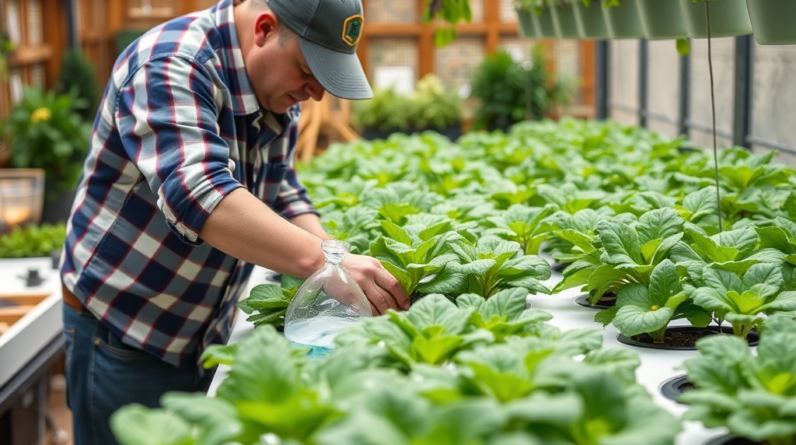
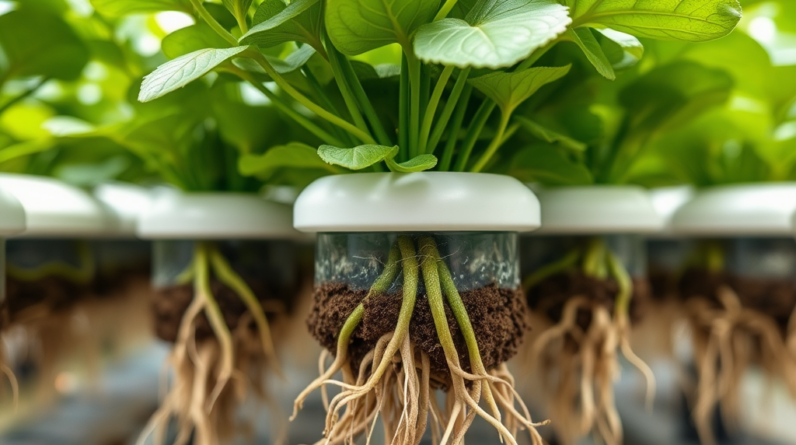
To overcome challenges with hydroponic crop rotation, growers should focus on understanding the unique nutrient requirements and growth patterns of each crop. Implementing a rotation schedule that aligns crops with complementary nutrient needs can significantly enhance resource efficiency and plant health. For instance, following nitrogen-fixing legumes with nitrogen-demanding crops like tomatoes can improve soil health and yield. Additionally, monitoring nutrient levels and adjusting solutions accordingly is vital to prevent imbalances that can lead to deficiencies or toxicities. By addressing these factors, hydroponic systems can achieve better performance and resilience against pests and diseases.

One major challenge in hydroponic crop rotation is the risk of nutrient imbalance. Different crops have varying nutrient demands, and failing to adjust nutrient solutions accordingly can lead to deficiencies or toxicities. Additionally, pest and disease management becomes more complex when rotating crops, as certain pests may thrive on specific plants. A well-thought-out rotation plan can help mitigate these issues, leading to healthier plants and improved overall system performance.
Understanding Crop Needs
Each crop in a hydroponic system has unique growth requirements, including light, water, and nutrient needs. Understanding these requirements is essential for effective crop rotation. For instance, leafy greens like lettuce prefer different nutrient levels compared to fruiting plants like tomatoes. By rotating crops that have complementary nutrient needs, growers can optimize resource use and reduce waste.
Moreover, some crops can improve soil health for subsequent plants. For example, legumes can fix nitrogen in the system, benefiting nitrogen-hungry plants that follow. Recognizing these interdependencies is vital for successful hydroponic crop rotation.
Implementing Effective Rotation Strategies
To implement effective rotation strategies in hydroponics, growers should develop a schedule that considers the growth cycles of different crops. A common approach is to rotate between fast-growing crops and slower-growing crops to ensure continuous production. For example, following a fast-growing crop like radishes with a slower-growing crop like broccoli can maintain system productivity.
Additionally, incorporating companion planting can enhance the benefits of crop rotation. Certain plant pairings can deter pests or promote growth, further improving system efficiency. For instance, planting basil alongside tomatoes can repel pests that typically target tomato plants.
Monitoring and Adjusting Nutrient Levels
Monitoring and adjusting nutrient levels is crucial during crop rotation. Each crop will have different nutrient requirements, and maintaining optimal levels is vital for healthy growth. Regular testing of nutrient solutions allows growers to make timely adjustments, preventing deficiencies or toxicities.
Using hydroponic systems equipped with automated nutrient monitoring can simplify this process. These systems can provide real-time data and alerts, enabling growers to maintain ideal nutrient levels for each crop type.
Common Mistakes to Avoid
One common mistake in hydroponic crop rotation is failing to research the specific needs of each crop. Ignoring these requirements can lead to poor growth and reduced yields. Another pitfall is inadequate planning, which can result in unbalanced nutrient solutions and increased susceptibility to pests and diseases.
It is also essential to avoid overcrowding the system with too many different crop types at once. This can lead to competition for resources and hinder overall plant health. A well-structured rotation plan can help prevent these issues and ensure a thriving hydroponic garden.
For readers interested in expanding their knowledge on hydroponic crop rotation, consider exploring resources from agricultural universities or recognized horticultural organizations. These sources often provide detailed guides and research findings that can enhance understanding and implementation of effective crop rotation strategies.
Further Reading
Authoritative Sources
- USDA National Institute of Food and Agriculture
nifa.usda.govResearch and extension resources related to agriculture, plants, soil, and food systems.
- Extension Foundation Gardening Resources
extension.orgUniversity extension education resources for practical gardening and home agriculture topics.
- USDA Natural Resources Conservation Service
nrcs.usda.govSoil, water, conservation, and land management resources for practical growing decisions.
Frequently Asked Questions
What is hydroponic crop rotation?
Hydroponic crop rotation is the practice of alternating different crops in a hydroponic system to improve yields, manage pests, and enhance nutrient availability.
Why is crop rotation important in hydroponics?
Crop rotation helps prevent disease buildup, optimizes nutrient use, and promotes biodiversity, leading to healthier plants and improved system performance.
How do I plan a crop rotation schedule?
To plan a crop rotation schedule, consider the growth cycles, nutrient needs, and compatibility of different crops. A balanced approach ensures continuous production and resource optimization.
What common mistakes should I avoid in crop rotation?
Common mistakes include neglecting crop needs, poor planning, and overcrowding the system, all of which can lead to diminished health and yield.
Can I use companion planting in hydroponic crop rotation?
Yes, companion planting can enhance hydroponic crop rotation by deterring pests and promoting growth among compatible crops, improving overall system efficiency.
Conclusion
All in all, overcoming challenges with hydroponic crop rotation requires a strategic approach that includes understanding crop needs, implementing effective rotation strategies, and monitoring nutrient levels. By avoiding common mistakes and leveraging companion planting, growers can enhance productivity and create a more sustainable hydroponic system. Prioritizing these practices will lead to healthier plants and higher yields, ensuring long-term success in hydroponic gardening.
Related Content
- Hydroponic Growing Tips: Essential Techniques for Thriving Plants
- Grow Room Hydroponics: Essential Methods for Maximizing Indoor Plant Production
- Hydroponic Growing System vs. Traditional Soil Farming: A Comparison
- Hydroponic Farming System: Revolutionizing Agriculture for the Future
- What Do Agricultural Experts Say About Hydroponic Farming