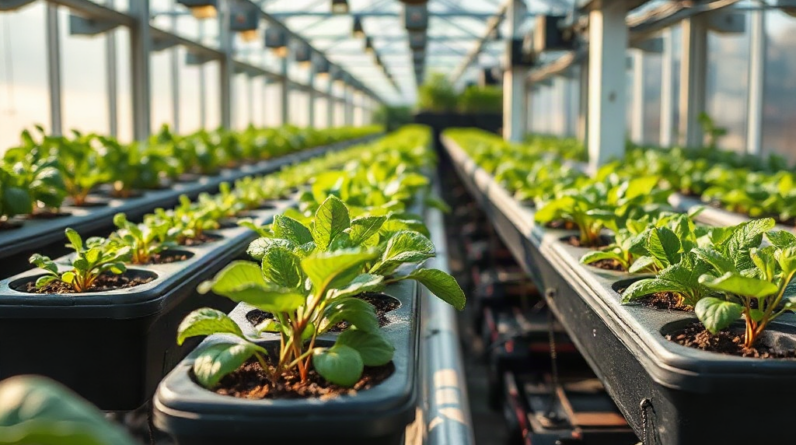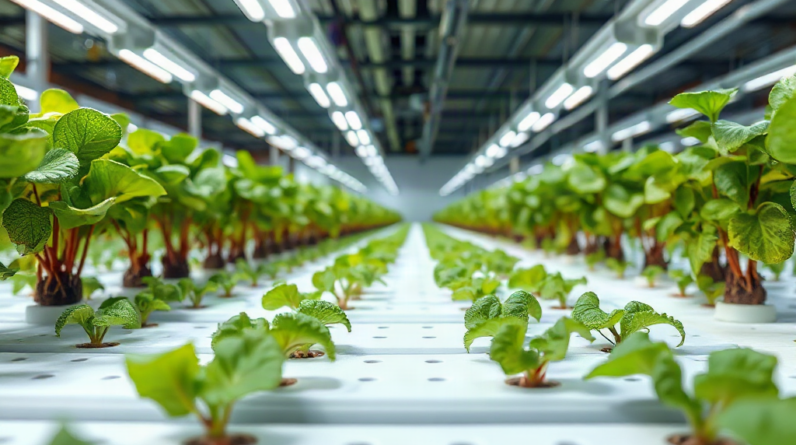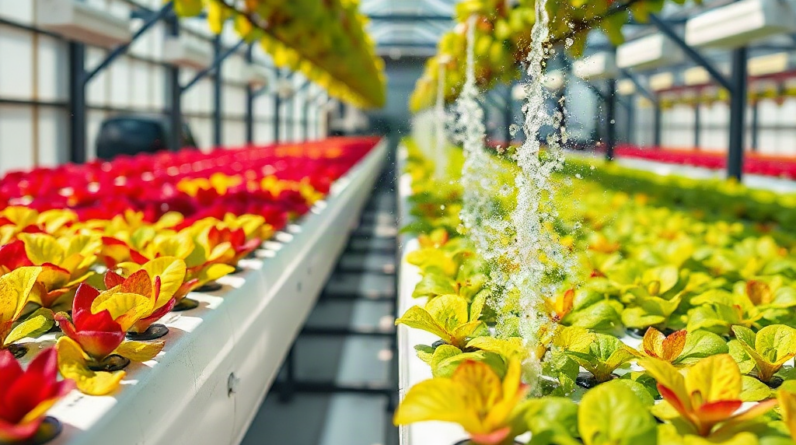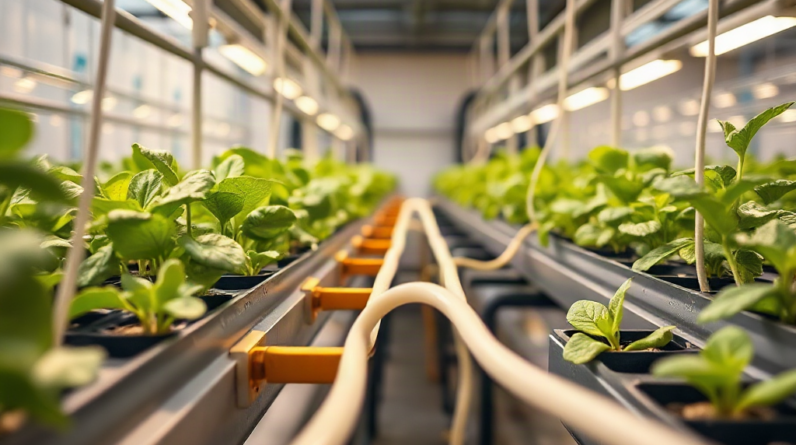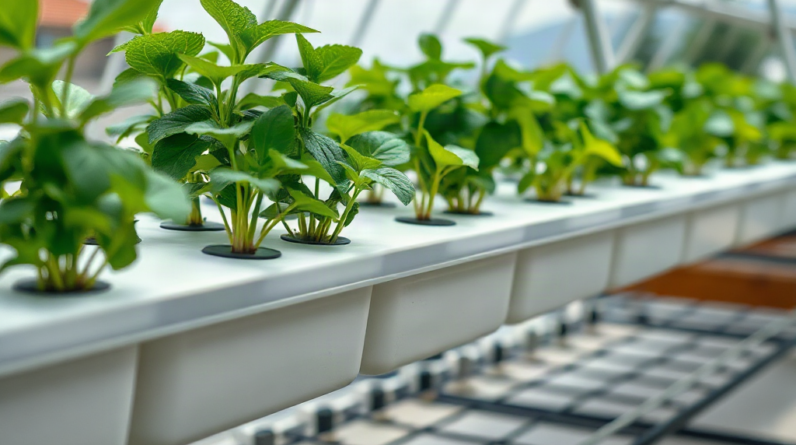
Grow room hydroponics is a method of growing plants indoors without soil, utilizing nutrient-rich water solutions to provide essential elements directly to the plant roots. This technique allows for greater control over environmental conditions, leading to faster growth rates and higher yields compared to traditional gardening. The key to success lies in managing factors such as light, temperature, humidity, and nutrient concentration.
In a hydroponic grow room, plants can thrive in a controlled environment that eliminates many variables associated with outdoor gardening, such as pests and unpredictable weather. However, it is crucial to understand that each plant species has unique requirements for light intensity, nutrient ratios, and water pH levels.
Choosing the Right Hydroponic System
When setting up a grow room for hydroponics, selecting the appropriate system is critical. Various systems, such as Deep Water Culture (DWC), Nutrient Film Technique (NFT), and Ebb and Flow, offer different advantages and challenges. Each system varies in complexity, cost, and maintenance requirements.
For beginners, DWC is often recommended due to its simplicity and effectiveness. It involves suspending plant roots in a nutrient-rich oxygenated solution, allowing for rapid growth. However, NFT systems can be more efficient in terms of water usage and space, making them suitable for larger operations. Assess your available space, budget, and experience level to determine the best fit for your hydroponic grow room.
Nutrient Management in Hydroponics
Nutrient management is vital for successful hydroponic gardening. Unlike soil, hydroponic systems require a careful balance of nutrients to support plant growth. Common nutrient solutions include macronutrients like nitrogen, phosphorus, potassium, and micronutrients such as iron and magnesium.
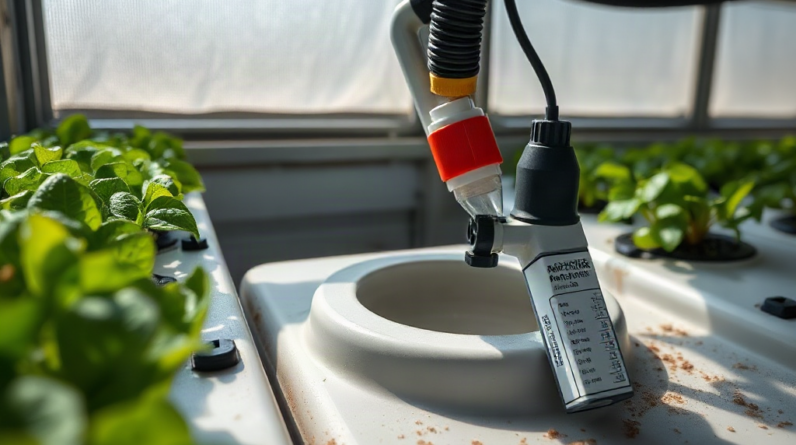
Regularly monitoring the nutrient concentration and pH levels of your solution is essential. A pH level between 5.5 and 6.5 is generally optimal for most plants. Use pH test kits and adjust the solution as needed to prevent nutrient lockout, which can hinder plant growth. Additionally, consider using a hydroponic nutrient mix specifically designed for your chosen crop type to ensure proper nutrition.
Lighting Solutions for Grow Rooms
Lighting is another critical aspect of a hydroponic grow room. Plants require adequate light for photosynthesis, and the type of lighting you choose can significantly affect growth rates and yields. Common lighting options include LED, fluorescent, and High-Intensity Discharge (HID) lights.
LED lights are increasingly popular due to their energy efficiency and longevity. They also allow for a customizable light spectrum, which can enhance plant growth. Fluorescent lights are suitable for seedlings and vegetative growth, while HID lights are often used for flowering stages due to their intensity. Evaluate your plants’ light requirements and choose a system that provides the appropriate spectrum and intensity for each growth stage.
Common Mistakes in Hydroponics
Even experienced hydroponic gardeners can make mistakes that affect plant health and yield. One common error is overwatering or underwatering plants, which can lead to root rot or nutrient deficiencies. It’s essential to maintain a consistent watering schedule and monitor the moisture levels in your system.
Another frequent mistake is failing to properly balance nutrients. Over-fertilization can burn plant roots, while under-fertilization can stifle growth. Regularly test your nutrient solution and adjust as necessary. Understanding plant needs and maintaining optimal conditions are crucial for avoiding these pitfalls.
Frequently Asked Questions
What are the benefits of hydroponic gardening?
Hydroponic gardening offers faster plant growth, higher yields, and reduced risk of pests and diseases due to controlled environments.
How often should I change the nutrient solution?
It’s generally recommended to change the nutrient solution every two to three weeks, depending on the plant’s growth stage and nutrient uptake.
Can I use tap water for hydroponics?
Tap water can be used, but it’s essential to test its pH and chlorine levels, as high chlorine can harm plants.
What types of plants grow best in hydroponics?
Leafy greens, herbs, and strawberries are among the best plants for hydroponic systems, as they thrive in nutrient-rich solutions.
How can I prevent algae growth in my hydroponic system?
To prevent algae growth, keep your nutrient solution covered and limit light exposure to the reservoir.
Conclusion
In conclusion, successful grow room hydroponics requires careful attention to system choice, nutrient management, and environmental conditions. By selecting the right hydroponic system, balancing nutrients effectively, and ensuring adequate lighting, you can maximize your indoor plant production. Avoid common mistakes by regularly monitoring your system and understanding the specific needs of your plants. With dedication and knowledge, your hydroponic grow room can flourish and yield impressive results.