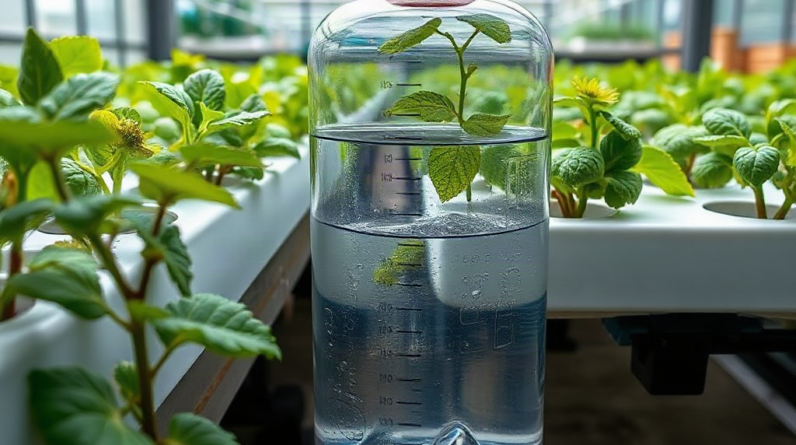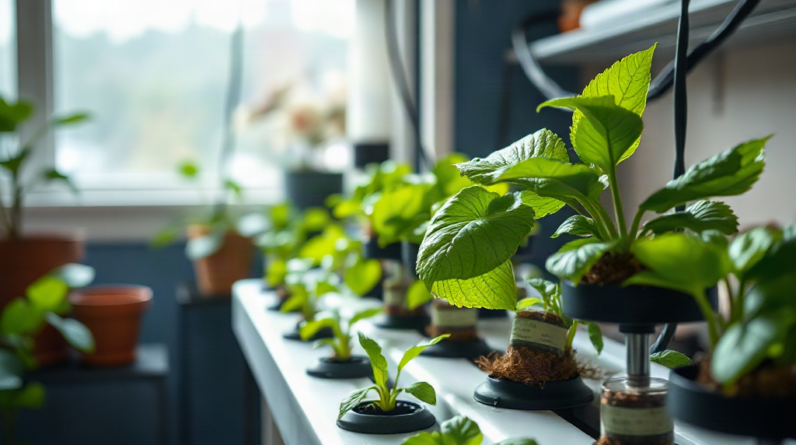
When deciding between deep water culture (DWC) and nutrient film technique (NFT) systems, consider the specific needs of your plants and your ability to manage the systems. DWC provides a stable environment with roots submerged in nutrient-rich water, ideal for fast-growing plants like lettuce. However, it requires vigilant monitoring to prevent root rot due to over-saturation. Conversely, NFT circulates a thin film of nutrient solution over the roots, which can enhance oxygen availability but demands precise management to avoid drying out. If you're new to hydroponics, starting with DWC might be easier, while NFT could be more suitable for experienced growers looking to optimize resource efficiency.
Understanding Deep Water Culture (DWC)
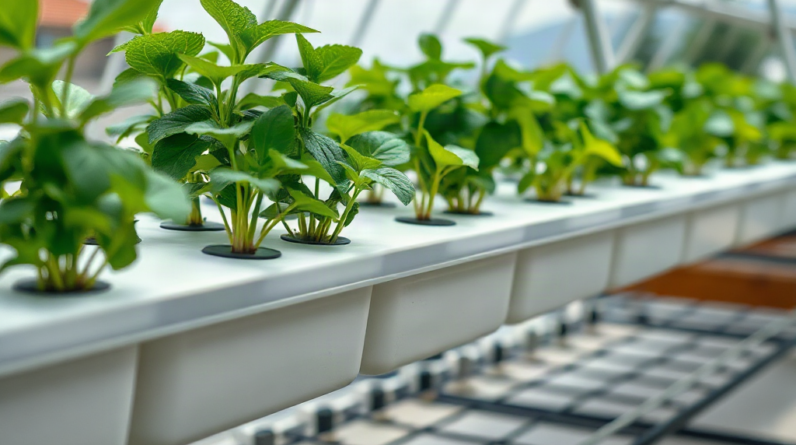
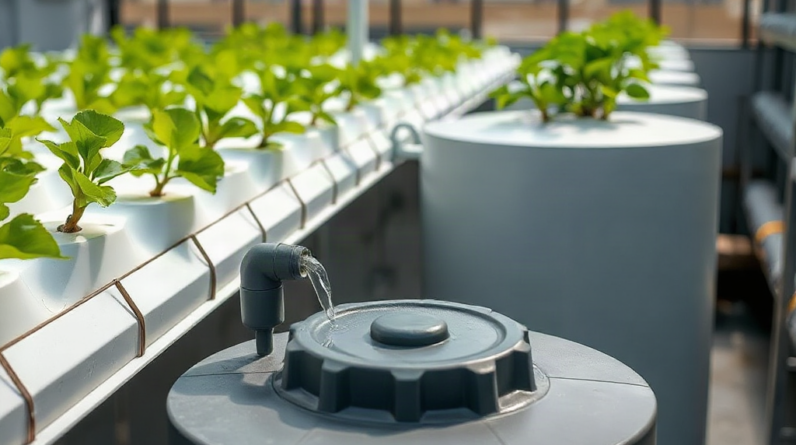
Deep Water Culture (DWC) is a hydroponic system where plant roots are suspended in a nutrient-rich water solution. This method allows for constant access to oxygen and nutrients, which fosters rapid growth. The roots are typically held in a net pot above the water, with an air pump providing oxygenation to the solution. DWC is particularly beneficial for fast-growing plants, such as lettuce and herbs, as it supports vigorous growth rates.
One of the primary advantages of DWC is its simplicity in setup and operation. The system usually requires fewer components compared to other hydroponic systems, making it accessible for beginners. However, it does require careful monitoring of water levels and nutrient concentrations to avoid issues like root rot, which can occur if the roots are submerged too deeply without adequate aeration.
Exploring Nutrient Film Technique (NFT)
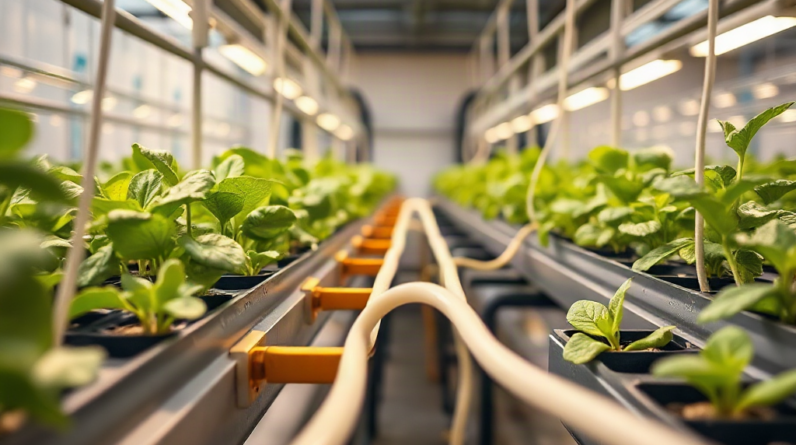
Nutrient Film Technique (NFT) is another popular hydroponic method where a thin film of nutrient solution continuously flows over the roots of plants. Unlike DWC, the roots are not fully submerged; instead, they are exposed to air and nutrient solution intermittently. This setup minimizes water usage and provides a highly oxygenated environment, promoting healthy root development.
One significant benefit of NFT is its efficiency in terms of water and nutrient use. The recirculating nature of the system means that excess solution can be reused, reducing waste. However, NFT systems can be more challenging to maintain, as any interruption in the flow of nutrients can quickly lead to plant stress or death due to drying out. This makes NFT ideal for experienced growers who can manage the system closely.
Comparative Advantages of DWC and NFT
When deciding between DWC and NFT, several factors should be considered. DWC offers more stability, as plants have constant access to water and nutrients, making it a safer choice for beginners. Conversely, NFT is more efficient in resource usage and can lead to faster growth rates when managed effectively.
For instance, if you’re growing leafy greens or herbs, DWC might be preferable due to its forgiving nature and ease of use. However, if you aim to maximize space and resource efficiency, NFT could be the better option, especially in larger setups or commercial applications. Ultimately, the choice hinges on your specific goals, resources, and experience level.
Common Mistakes in DWC and NFT Systems
Both DWC and NFT systems come with their unique challenges. In DWC, a common mistake is neglecting oxygenation. Without proper aeration, roots can suffocate, leading to root rot. Regularly check and maintain the air pump and ensure that the water temperature is optimal for oxygen levels.
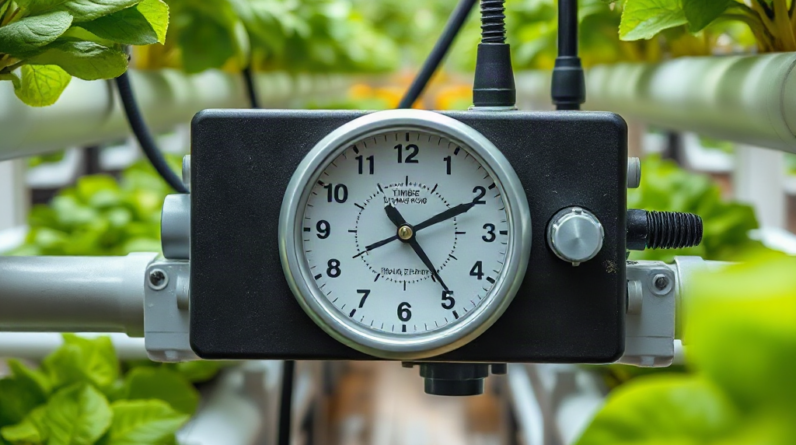
In NFT systems, a frequent error is the failure to monitor the nutrient film’s thickness. If the film is too thin, roots can dry out; if too thick, it can suffocate them. Implementing a reliable flow rate and regularly checking the health of the plants can help mitigate these issues. Both systems require diligence and attention to detail to thrive.
Frequently Asked Questions
What are the main differences between DWC and NFT systems?
DWC involves plants growing in a nutrient-rich water solution, while NFT uses a thin film of nutrients flowing over the roots. DWC typically offers more stability, whereas NFT is more water-efficient but requires careful management.
Which plants grow best in DWC systems?
Fast-growing plants like lettuce, basil, and other leafy greens thrive in DWC systems due to their constant access to nutrients and oxygen.
Is NFT suitable for all types of plants?
While NFT can be used for various plants, it is best suited for smaller, fast-growing varieties. Larger plants with extensive root systems may struggle in NFT systems.
How do I prevent root rot in DWC?
To prevent root rot in DWC, ensure proper aeration, maintain optimal water temperature, and regularly monitor nutrient levels to keep roots healthy.
Can I switch from DWC to NFT or vice versa?
Yes, you can switch systems, but it's essential to understand the specific needs of your plants and the adjustments required for nutrient delivery and aeration in the new system.
Further Reading
Authoritative Sources
- Library of Congress Research Guides
guides.loc.govResearch guides that help readers locate reliable background sources on a wide range of subjects
- USA.gov Official Information and Services
usa.govOfficial U.S. government information and public resources for practical reference
- Google Scholar
scholar.google.comAcademic search resource for finding research literature and source material
Conclusion
Choosing between deep water culture and nutrient film technique systems depends largely on your gardening goals, experience, and the types of plants you wish to grow. DWC offers a more forgiving environment for beginners, while NFT can provide greater efficiency and faster growth for those willing to manage it closely. Understanding the strengths and weaknesses of each system will help you make an informed decision that aligns with your hydroponic gardening ambitions.
Related Content
- Why Hydroponic Lighting is Essential for Indoor Growth
- Why Hydroponic Plants Develop Root Rot: Causes, Symptoms, and Prevention Strategies
- Eco-Friendly Hydroponics for Green Living
- Preventing Mold Growth in Hydroponic Systems: Essential Methods for Healthy Plants
- How to Balance Humidity in Hydroponic Setups: Essential Methods and Tools