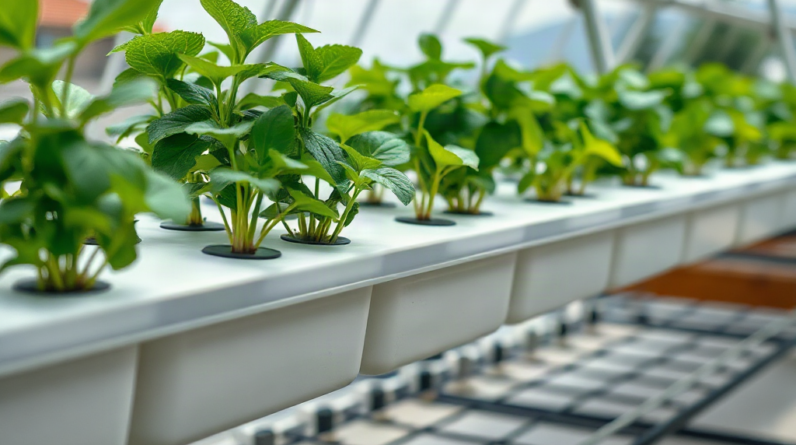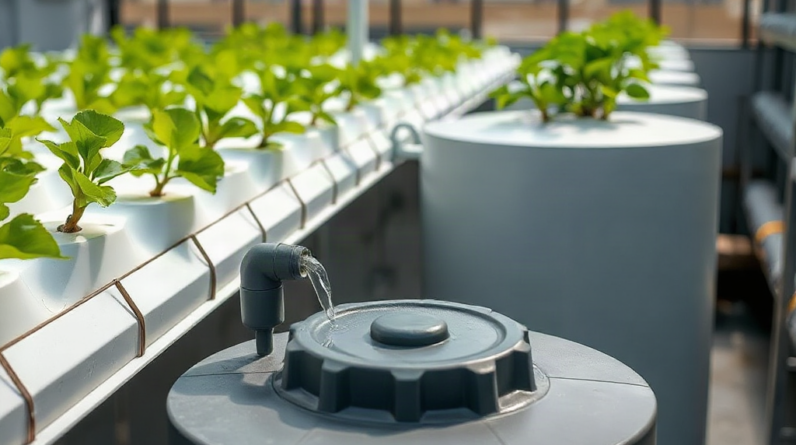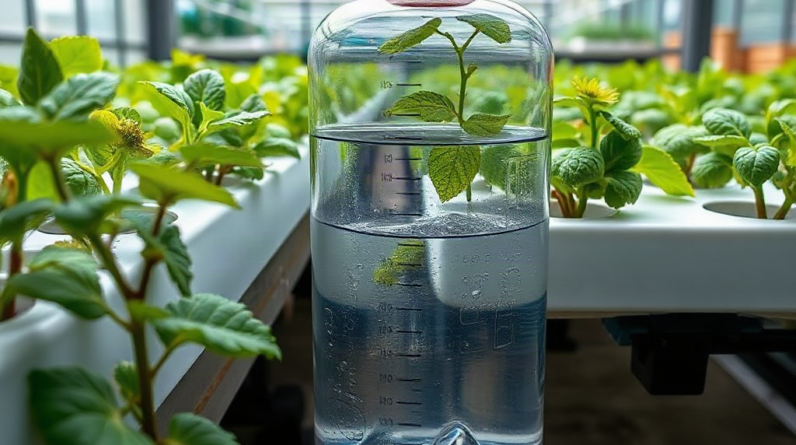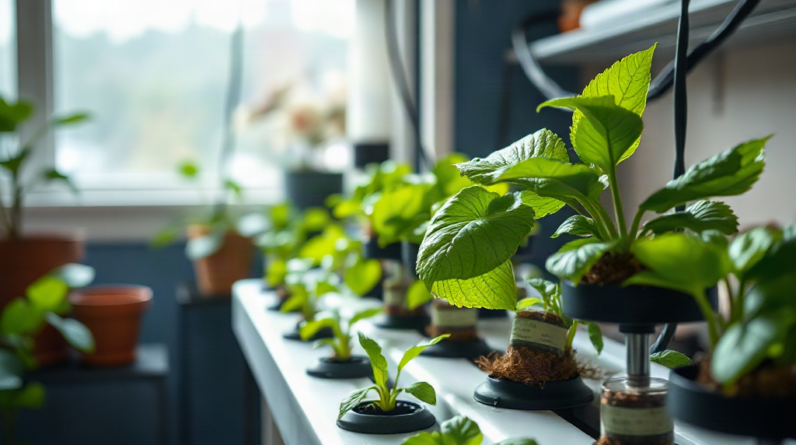
To avoid cross-contamination in hydroponics, implement strict sanitization practices and maintain dedicated tools for different plant species. Regularly disinfect all equipment, including trays and containers, using effective agents like diluted bleach or hydrogen peroxide. It's essential to establish a cleaning schedule to ensure all surfaces are sanitized before and after use. Additionally, wearing disposable gloves when handling plants can significantly reduce the risk of transferring pathogens. By isolating new or infected plants and monitoring nutrient solutions closely, you can further minimize contamination risks and protect your hydroponic garden's health.
Understanding Cross-Contamination in Hydroponics
Cross-contamination in hydroponics refers to the unintentional transfer of pathogens, pests, or chemicals from one plant or system to another, which can lead to significant crop loss and reduced yields. Understanding how cross-contamination occurs is vital for maintaining a healthy hydroponic garden. It typically arises from shared tools, equipment, or even air and water sources that have been contaminated. For instance, using the same pruning shears on different plants without sanitizing them can spread diseases like root rot or powdery mildew.
To effectively manage and prevent cross-contamination, growers must recognize the key factors contributing to this issue. The most common mistakes include neglecting sanitation practices, overcrowding plants, and failing to isolate new or infected plants. By implementing strict protocols, such as keeping dedicated equipment for different plant species and regularly cleaning surfaces, growers can significantly reduce the risk of cross-contamination.
Sanitization Procedures for Hydroponic Systems
Sanitization is a cornerstone of preventing cross-contamination in hydroponics. Regularly cleaning and disinfecting all equipment, including trays, containers, and tools, is essential. This involves using a suitable cleaning agent that effectively kills pathogens without harming plants. For example, a diluted bleach solution or hydrogen peroxide can serve as effective disinfectants.
Additionally, growers should establish a cleaning schedule to ensure that all equipment is sanitized before and after use. Using disposable gloves when handling plants and tools can further minimize contamination risks. It is also advisable to keep separate tools for different plant species or systems to prevent cross-contamination. By maintaining a rigorous cleaning routine, growers can create a safer environment for their hydroponic crops, ultimately leading to healthier plants and higher yields.
Environmental Control Measures
Controlling the growing environment is another critical aspect of avoiding cross-contamination in hydroponics. Factors such as humidity, temperature, and airflow play significant roles in the health of plants. High humidity levels can promote the growth of mold and bacteria, while inadequate airflow can lead to stagnant conditions that facilitate disease spread.
To mitigate these risks, hydroponic growers should monitor and adjust environmental conditions regularly. Using fans to improve air circulation and dehumidifiers to control moisture levels can be beneficial. Additionally, ensuring that plants are not overcrowded allows for better airflow and reduces the chances of disease transmission. Implementing these environmental control measures helps create a healthy growing environment that minimizes the risk of cross-contamination.
Monitoring and Managing Nutrient Solutions
Nutrient solutions are essential for hydroponic systems, but they can also be a source of cross-contamination if not managed properly. Regularly testing and monitoring nutrient solutions for pH levels, electrical conductivity, and the presence of pathogens is crucial. A balanced nutrient solution supports plant health and reduces the risk of disease.
Moreover, growers should change nutrient solutions frequently to prevent the buildup of harmful microorganisms. If a disease outbreak occurs, it is vital to discard the contaminated solution and thoroughly clean the system before reintroducing new nutrients. By prioritizing nutrient management and monitoring practices, hydroponic growers can significantly decrease the likelihood of cross-contamination and ensure their crops thrive.
Frequently Asked Questions
What are the main causes of cross-contamination in hydroponics?
The main causes include shared tools, contaminated water sources, and poor sanitation practices that allow pathogens to spread between plants.
How often should I sanitize my hydroponic equipment?
It is recommended to sanitize equipment before and after each use, as well as regularly throughout the growing cycle to prevent contamination.
Can cross-contamination affect yield in hydroponic systems?
Yes, cross-contamination can lead to diseases that reduce plant health and ultimately decrease crop yields.
What steps can I take to isolate new plants?
Consider quarantining new plants for a few weeks in a separate area before introducing them to the main hydroponic system to monitor for potential diseases.
Are there specific products for sanitizing hydroponic systems?
Yes, products like hydrogen peroxide or specific hydroponic system cleaners are effective for sanitizing without harming plants.
Further Reading
Authoritative Sources
- USDA National Institute of Food and Agriculture
nifa.usda.govResearch and extension resources related to agriculture, plants, soil, and food systems
- Extension Foundation Gardening Resources
extension.orgUniversity extension education resources for practical gardening and home agriculture topics
- USDA Natural Resources Conservation Service
nrcs.usda.govSoil, water, conservation, and land management resources for practical growing decisions
Conclusion
Maintaining a contamination-free hydroponic system requires diligence in sanitation, environmental control, and nutrient management. By implementing strict cleaning protocols, monitoring environmental conditions, and managing nutrient solutions effectively, growers can significantly reduce the risk of cross-contamination. Prioritize these practices to ensure a healthy hydroponic garden that yields high-quality crops.