To ensure proper drainage in hydroponics, it is essential to select an appropriate growing medium and design an effective system. Utilizing materials like expanded clay pellets or perlite can enhance air circulation while preventing waterlogging. Regularly monitoring water levels and adjusting flow rates are vital to maintain the right moisture balance. Avoid using mediums that retain excessive moisture, such as rock wool, without proper oversight, as this can lead to root rot. Implementing these strategies will promote healthy root systems and reduce the risk of diseases in your hydroponic setup.
Understanding Hydroponic Drainage
Proper drainage is crucial in hydroponics to prevent root rot and ensure the health of your plants. In hydroponic systems, excess water needs to be removed effectively to avoid waterlogging, which can suffocate roots and lead to diseases. Understanding the principles of drainage helps in selecting materials and designing systems that promote optimal moisture levels.
One common misconception is that hydroponic systems can be fully submerged in water. Instead, roots require both moisture and air, necessitating a balance that ensures adequate drainage. Implementing effective drainage strategies will not only enhance plant growth but also reduce the risk of fungal infections and other root-related issues.
Choosing the Right Growing Medium
The choice of growing medium significantly impacts drainage in hydroponics. Materials like coconut coir, perlite, and expanded clay pellets are excellent for ensuring air circulation while retaining moisture. Each medium has different drainage properties, so selecting one suited to your specific system is essential.
For instance, expanded clay pellets allow for excellent drainage while providing some moisture retention, making them ideal for systems that require both. Conversely, rock wool retains a lot of water but can become overly saturated if not monitored closely. Understanding the water retention properties of your chosen medium will help you maintain the right moisture levels without compromising drainage.
Designing Your Hydroponic System
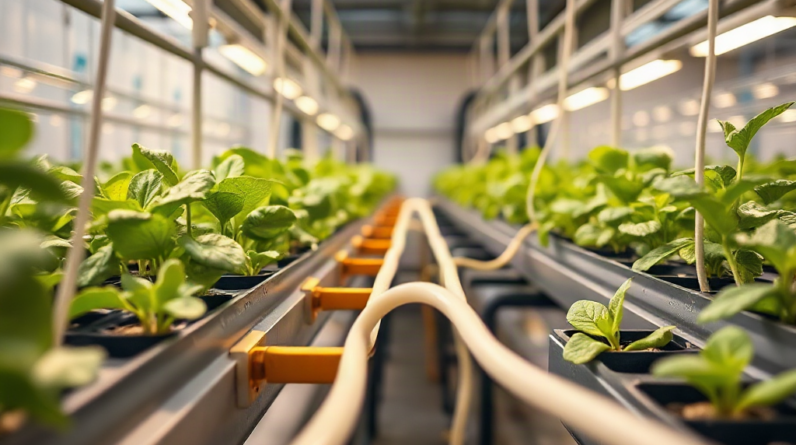
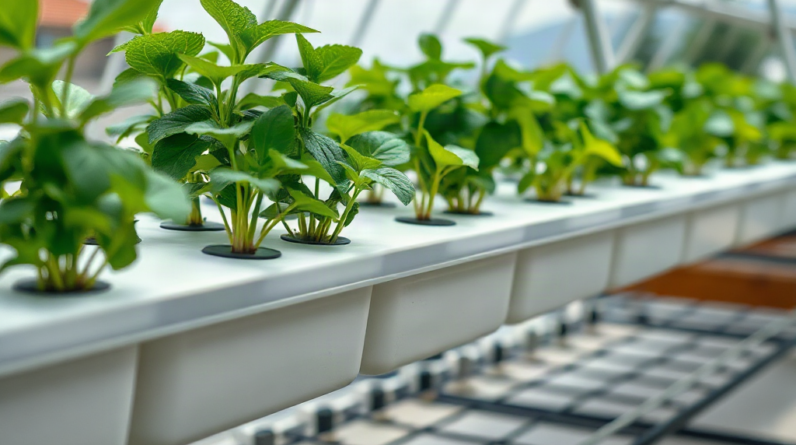
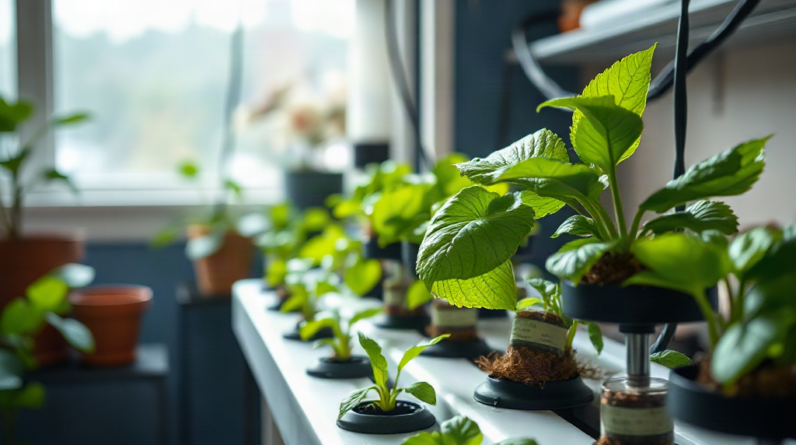
A well-designed hydroponic system incorporates effective drainage strategies. Systems like Nutrient Film Technique (NFT) or Deep Water Culture (DWC) should include slopes or drainage holes to facilitate water flow. In NFT systems, a slight incline allows nutrients to flow back into the reservoir, minimizing stagnation.
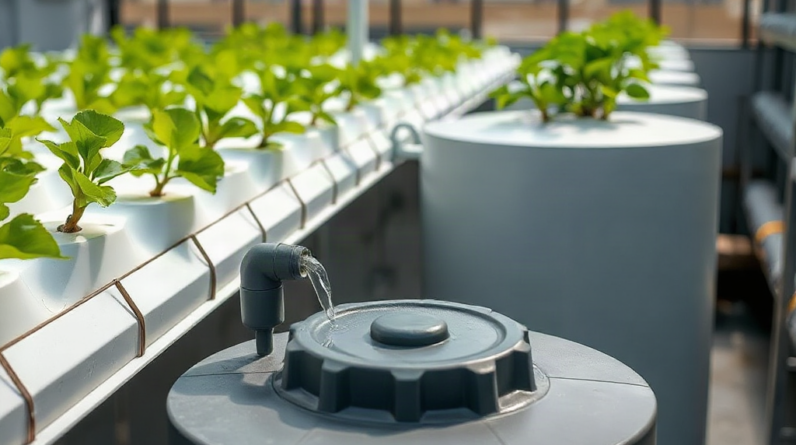
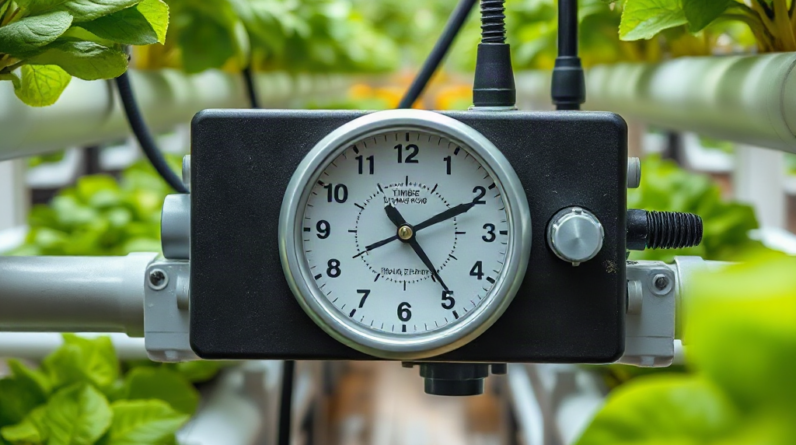
Additionally, consider the use of catchment trays or reservoirs that can collect excess water. Regularly adjusting pump flow rates can also help maintain the right balance of water and air around the roots. Common mistakes include using a flat container without drainage or failing to monitor water levels, leading to potential root issues.
Monitoring Water Levels and Quality
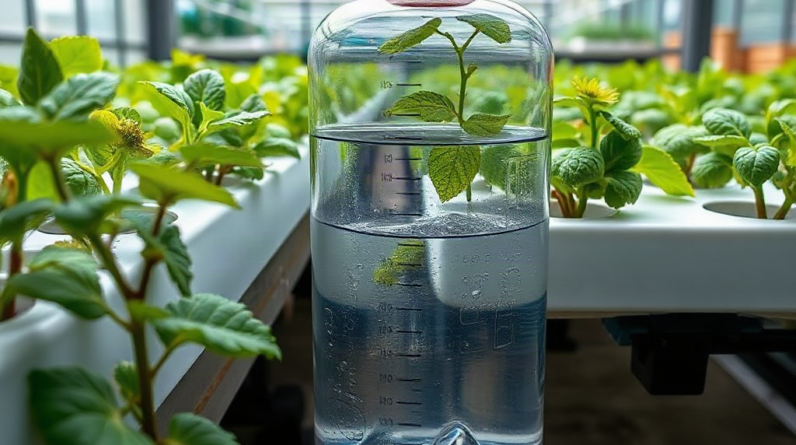
Regular monitoring of water levels and quality is essential for maintaining proper drainage in hydroponics. Use water level indicators or sensors to ensure your system isn’t over or under-watered. Additionally, testing the pH and nutrient levels of your water can help prevent issues associated with poor drainage.
Signs of inadequate drainage include yellowing leaves, stunted growth, or a foul odor from the root zone. If you notice these symptoms, check your drainage setup and make necessary adjustments. Keeping a close eye on these factors will ensure your plants thrive in a healthy hydroponic environment.
Frequently Asked Questions
What are the signs of poor drainage in hydroponics?
Signs include yellowing leaves, root rot, and stunted growth. If you notice any of these, check your drainage system.
How can I improve drainage in my hydroponic system?
Improve drainage by using well-draining media, ensuring proper system design with slopes or drainage holes, and monitoring water levels regularly.
Is it necessary to have drainage holes in a hydroponic system?
Yes, drainage holes are necessary to prevent waterlogging, which can lead to root rot and other plant health issues.
What growing mediums are best for drainage?
Expanded clay pellets, perlite, and coconut coir are excellent choices for ensuring good drainage while retaining moisture.
How often should I check water levels in my hydroponic system?
Check water levels daily or every few days, especially during hot weather or when plants are growing actively, to ensure optimal moisture levels.
Further Reading
Authoritative Sources
- USDA National Institute of Food and Agriculture
nifa.usda.govResearch and extension resources related to agriculture, plants, soil, and food systems
- Extension Foundation Gardening Resources
extension.orgUniversity extension education resources for practical gardening and home agriculture topics
- USDA Natural Resources Conservation Service
nrcs.usda.govSoil, water, conservation, and land management resources for practical growing decisions
Conclusion
Ensuring proper drainage in hydroponics is vital for maintaining healthy plants and preventing root diseases. By understanding the importance of drainage, selecting the right growing medium, and designing your system with effective drainage strategies, you can create an optimal environment for plant growth. Regular monitoring of water levels and quality will further enhance your hydroponic success, allowing you to achieve a thriving garden.