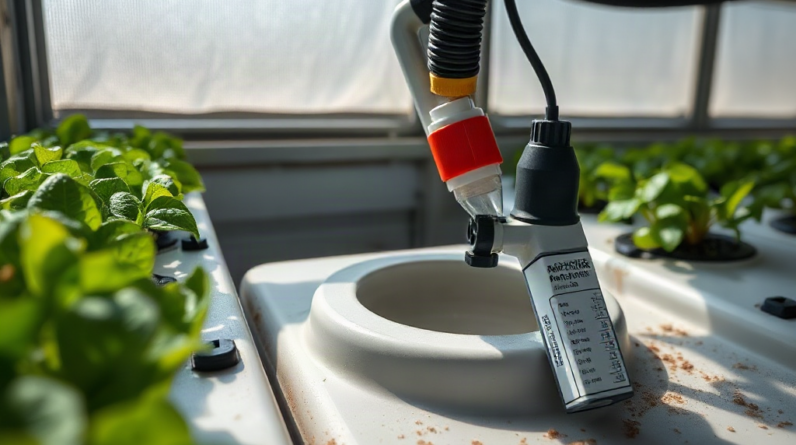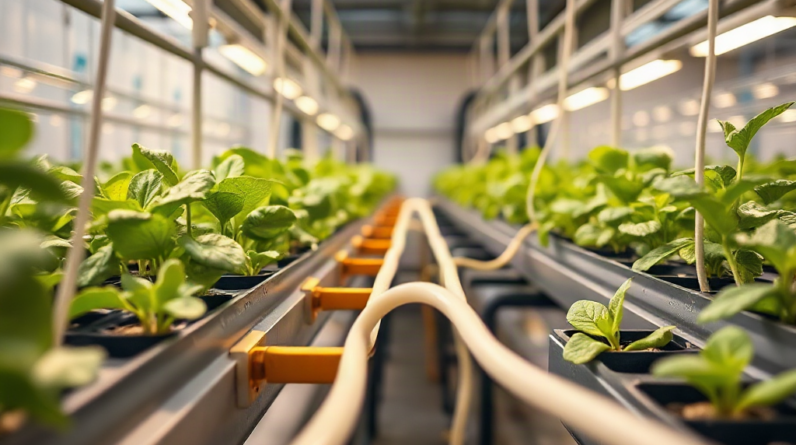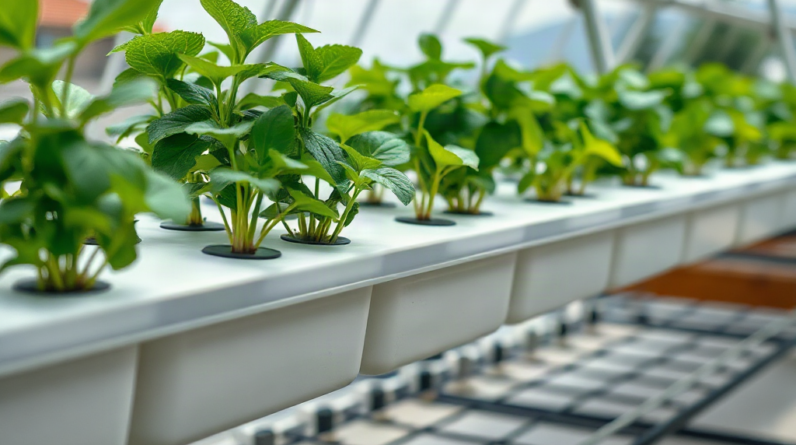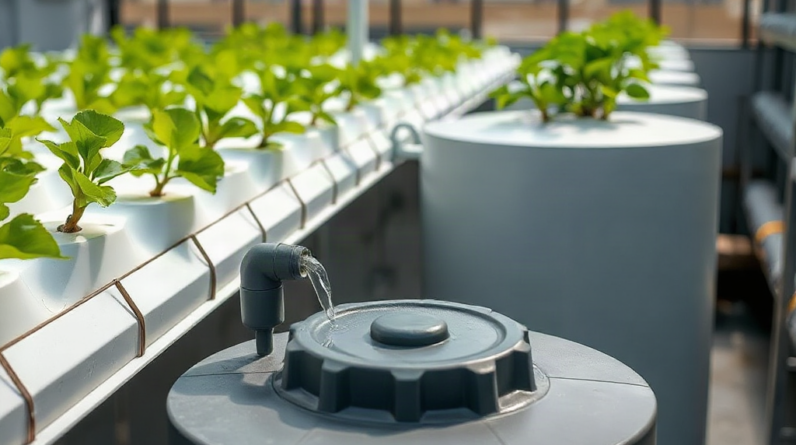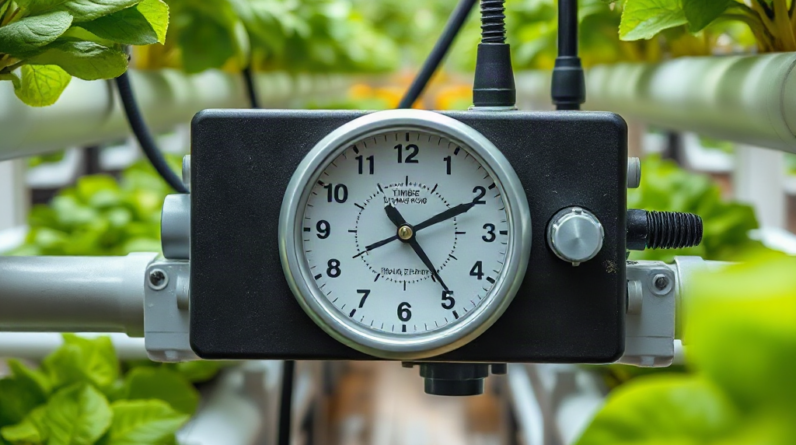
To effectively manage nutrient solution evaporation in hydroponic systems, regularly check and replenish your nutrient levels. Utilizing a cover for your nutrient reservoir can significantly reduce evaporation rates, while maintaining optimal humidity and temperature levels will further help in minimizing water loss. Additionally, be aware that high airflow can increase evaporation, especially in indoor setups, so consider adjusting fan speeds or placement. Understanding these dynamics will help you maintain balanced nutrient concentrations, preventing potential issues like nutrient burn or deficiencies in your plants.
Understanding Nutrient Solution Evaporation
Nutrient solution evaporation is a common challenge in hydroponic gardening, where water loss can lead to nutrient concentration changes that adversely affect plant health. When the water level decreases due to evaporation, the remaining nutrients can become too concentrated, potentially leading to nutrient burn or deficiencies. Understanding this process is essential for maintaining optimal conditions for plant growth.
Evaporation occurs when water molecules gain enough energy to transition from liquid to vapor. In hydroponic systems, factors such as temperature, humidity, and airflow can significantly influence the rate of evaporation. For instance, higher temperatures can increase evaporation rates, while high humidity can help reduce them. Recognizing these dynamics is crucial for effective management.
Causes of Nutrient Solution Evaporation
Several factors contribute to nutrient solution evaporation in hydroponic systems. Environmental conditions are the primary drivers; for example, warm temperatures and low humidity levels increase evaporation rates. Additionally, the type of hydroponic system in use can impact how much evaporation occurs. Open systems, such as deep water culture, may experience more evaporation compared to closed systems.
Another significant factor is airflow. Increased air circulation can expedite evaporation, especially in indoor setups where fans are used. Understanding these causes allows growers to implement specific strategies to mitigate evaporation and maintain stable nutrient levels.
Practical Solutions to Minimize Evaporation
To effectively deal with nutrient solution evaporation, several practical solutions can be implemented. First, covering the nutrient solution with a lid or floating cover can significantly reduce surface area exposure to air, thereby minimizing evaporation. Additionally, using insulated containers can help maintain solution temperature and reduce evaporation rates.
Another effective method is to control the environmental conditions within the growing area. Maintaining optimal humidity levels (ideally between 50-70%) can greatly reduce evaporation. Utilizing a hygrometer to monitor humidity and employing humidifiers when necessary can help achieve this balance. Furthermore, adjusting the temperature of the growing area can also minimize evaporation; cooler environments tend to reduce water loss.
Monitoring and Adjusting Nutrient Concentration
Regular monitoring of nutrient solution levels is essential in hydroponics. As evaporation occurs, the concentration of nutrients can increase, which may lead to nutrient toxicity for the plants. To manage this, growers should routinely check the nutrient concentration using an EC (electrical conductivity) meter.
When the concentration is found to be too high, it is important to dilute the solution by adding fresh water. This not only helps maintain a balanced nutrient profile but also supports healthy plant growth. Implementing a consistent monitoring schedule ensures that nutrient levels remain within the desired range, preventing potential issues arising from evaporation.
Frequently Asked Questions
What are the signs of nutrient solution evaporation?
Signs of nutrient solution evaporation include a noticeable drop in water levels, increased nutrient concentration, and potential plant stress, such as leaf burn.
How can I tell if my nutrient solution is too concentrated?
Use an EC meter to measure the electrical conductivity of your solution; if readings are higher than optimal for your plants, it indicates over-concentration.
Does humidity affect nutrient solution evaporation?
Yes, higher humidity levels can reduce the rate of evaporation, while low humidity can increase it, making environmental control important.
What methods can reduce evaporation in hydroponic systems?
Covering the nutrient solution, using insulated containers, and controlling environmental temperature and humidity are effective methods to reduce evaporation.
How often should I check my nutrient solution levels?
Checking nutrient solution levels at least once a week is recommended, but more frequent checks may be necessary in hot or dry conditions.
Further Reading
Authoritative Sources
- Library of Congress Research Guides
guides.loc.govResearch guides that help readers locate reliable background sources on a wide range of subjects
- USA.gov Official Information and Services
usa.govOfficial U.S. government information and public resources for practical reference
- Google Scholar
scholar.google.comAcademic search resource for finding research literature and source material
Conclusion
Dealing with nutrient solution evaporation is vital for maintaining healthy hydroponic plants. By understanding the causes and implementing practical solutions, such as environmental controls and regular monitoring, growers can effectively manage their nutrient solutions. Prioritizing humidity and temperature management, along with consistent nutrient level checks, will lead to a more stable and productive growing environment.