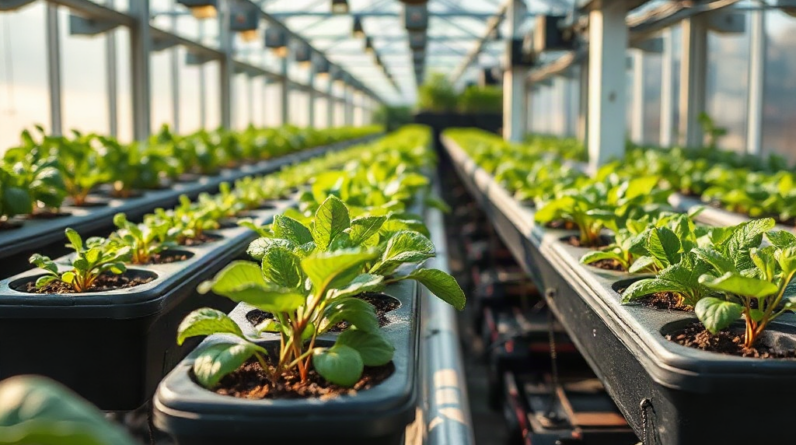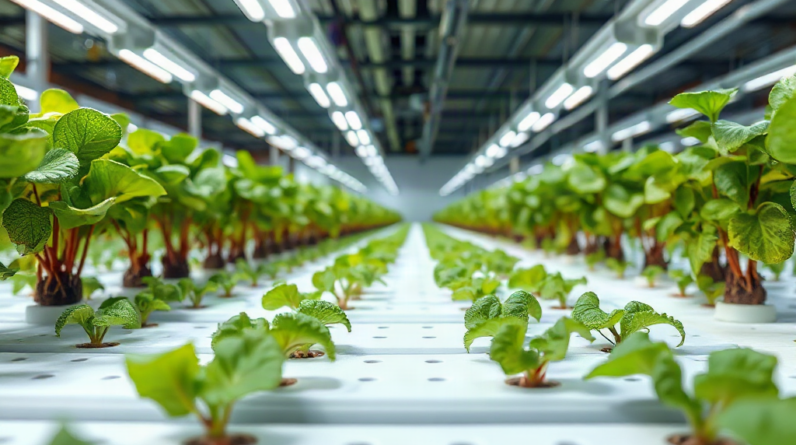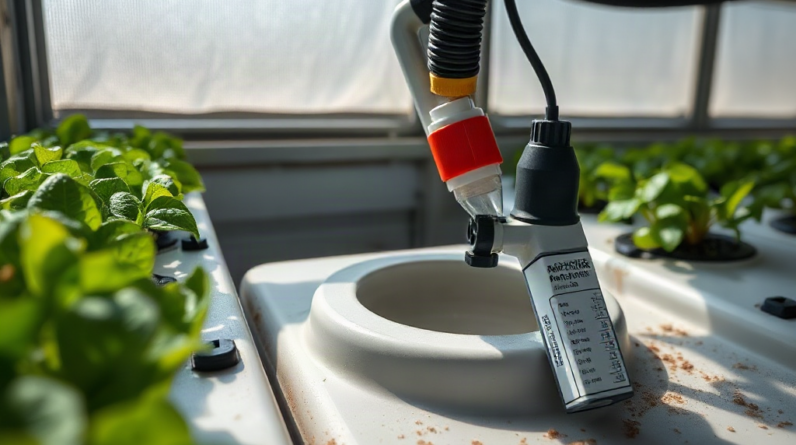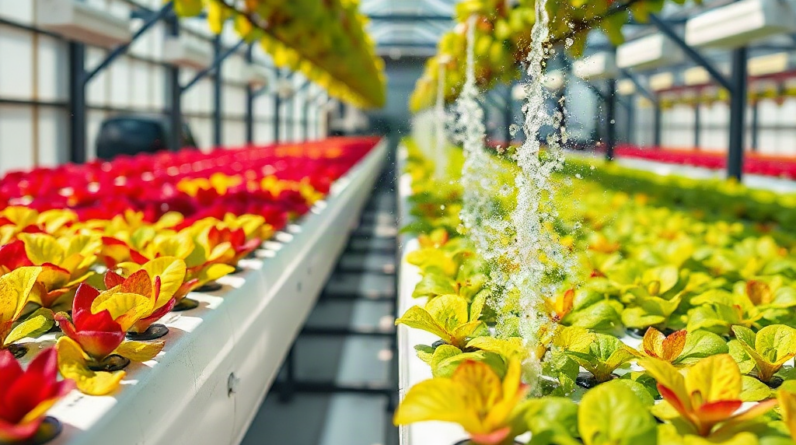
The pH of a nutrient solution profoundly affects plant growth by influencing nutrient availability and overall health. Maintaining a pH range of 5.5 to 6.5 is vital, as this range optimizes nutrient uptake for most plants. Deviations from this range can cause nutrient deficiencies or toxicities; for instance, low pH can lead to excessive iron, while high pH may restrict calcium and magnesium absorption. Regular monitoring and adjustments are essential to prevent these issues, ensuring that plants receive the necessary nutrients for robust growth and high yields.
Understanding pH Levels in Hydroponics
The pH level of a nutrient solution is crucial for hydroponic gardening, as it determines the acidity or alkalinity of the solution. A pH range of 5.5 to 6.5 is typically ideal for most plants, allowing for optimal nutrient uptake. If the pH is too low (acidic), it can lead to nutrient toxicity, while a high pH (alkaline) can cause nutrient deficiencies. Understanding this balance is essential for successful plant growth.
In hydroponics, pH can fluctuate due to various factors, including water quality, nutrient composition, and environmental conditions. Regular monitoring of pH levels is necessary to maintain the ideal range and ensure that plants receive the nutrients they need for healthy growth. The impact of nutrient solution pH on growth cannot be overstated, as it directly correlates with plant health and yield.
Effects of pH on Nutrient Availability
The availability of nutrients in a hydroponic system is highly dependent on the pH of the nutrient solution. Different nutrients are absorbed by plants at varying pH levels. For example, nitrogen, phosphorus, and potassium are most available between pH 5.5 and 6.5. However, at lower or higher pH levels, certain nutrients become less accessible, potentially leading to nutrient deficiencies.
For instance, at a pH below 5.5, nutrients like manganese and iron can become overly available, causing toxicity, while essential nutrients like calcium and magnesium may become locked out. Conversely, at a pH above 6.5, plants may struggle to absorb iron and phosphorus, leading to deficiencies. Understanding these interactions can help growers adjust their nutrient solutions accordingly, ensuring optimal plant health and growth.
Common pH Management Mistakes
One of the most common mistakes in hydroponic gardening is neglecting to regularly check and adjust pH levels. Many growers assume that their nutrient solution remains stable, but fluctuations can occur due to plant uptake and evaporation. Additionally, using poor-quality water that is either too acidic or too alkaline can further complicate pH management.
Another frequent error is over-adjusting pH levels. Growers may add too many chemicals in an attempt to correct pH, leading to drastic swings that can stress plants. It’s important to make gradual adjustments and allow time for the solution to stabilize before testing again. By recognizing these common pitfalls, growers can better manage pH levels and promote healthy plant growth.
Practical Tips for pH Monitoring
To effectively manage pH levels in hydroponic systems, growers should invest in a reliable pH meter for accurate readings. Regular testing—ideally daily or weekly—helps track changes and allows for timely adjustments. It’s also beneficial to keep a log of pH levels, noting any trends or fluctuations that may indicate underlying issues.
When adjusting pH, use high-quality pH up or down solutions, and always add them slowly to avoid over-correction. Allow the solution to mix thoroughly before retesting. Additionally, consider buffering agents that can help stabilize pH levels over time, reducing the frequency of adjustments needed. By implementing these practices, growers can maintain optimal pH levels, ensuring healthy plant growth and maximizing yield.
Frequently Asked Questions
What is the ideal pH range for hydroponic growth?
The ideal pH range for most hydroponic plants is between 5.5 and 6.5, promoting optimal nutrient availability.
How often should I check the pH of my nutrient solution?
It's recommended to check the pH daily or weekly to ensure it remains within the optimal range for plant health.
What happens if the pH is too low?
If the pH is too low, nutrient toxicity can occur, particularly with elements like manganese and iron, which can harm plant growth.
Can I use tap water for my hydroponic system?
Tap water can be used, but it's essential to test its pH and nutrient levels, as some tap waters can be too acidic or alkaline for hydroponics.
What should I do if my pH keeps fluctuating?
If pH levels fluctuate, consider checking the water source, nutrient concentration, and using buffering agents to stabilize the solution.
Further Reading
Authoritative Sources
- Nutrient Management in Hydroponics
ncbi.nlm.nih.govA comprehensive study on the role of nutrient management, including pH levels, in hydroponic systems
- Managing pH in Hydroponic Solutions
extension.orgGuidelines and best practices for maintaining proper pH in hydroponic nutrient solutions
Conclusion
Maintaining the proper pH level in a hydroponic system is essential for maximizing plant growth and health. By understanding the impact of nutrient solution pH on growth, growers can make informed decisions about monitoring and adjusting their nutrient solutions. Regular testing, avoiding common mistakes, and employing practical strategies will help ensure that plants thrive, ultimately leading to a successful hydroponic garden.