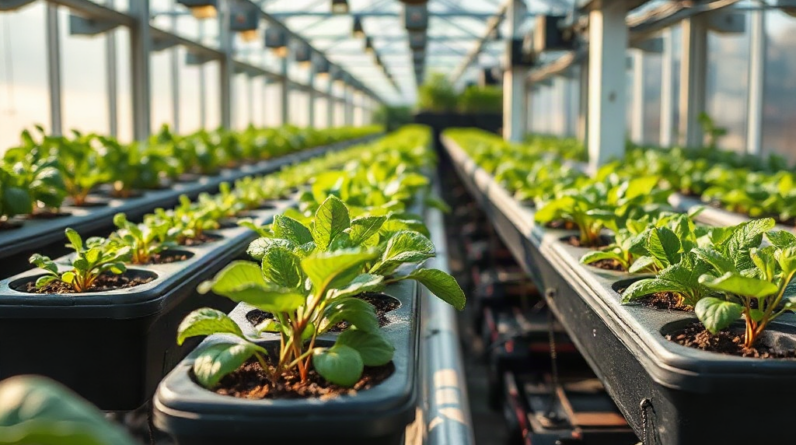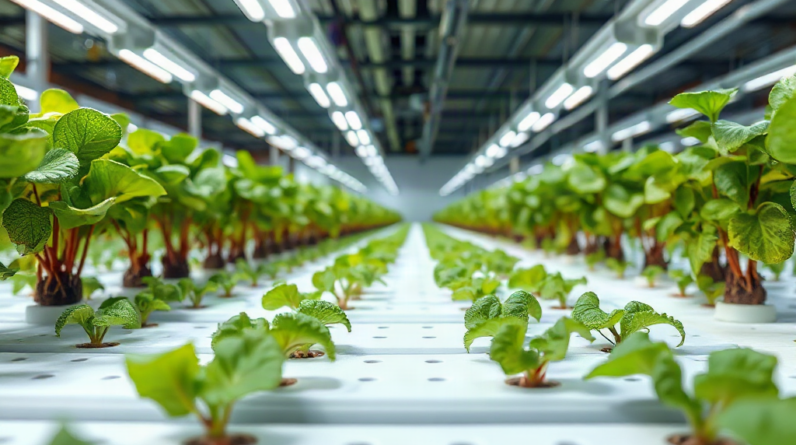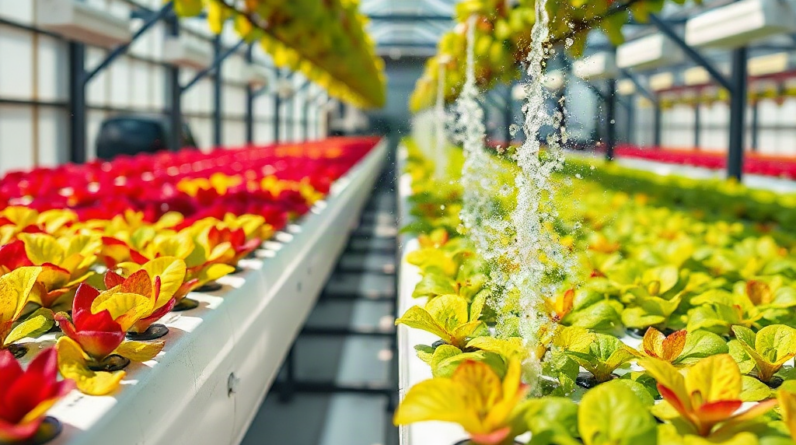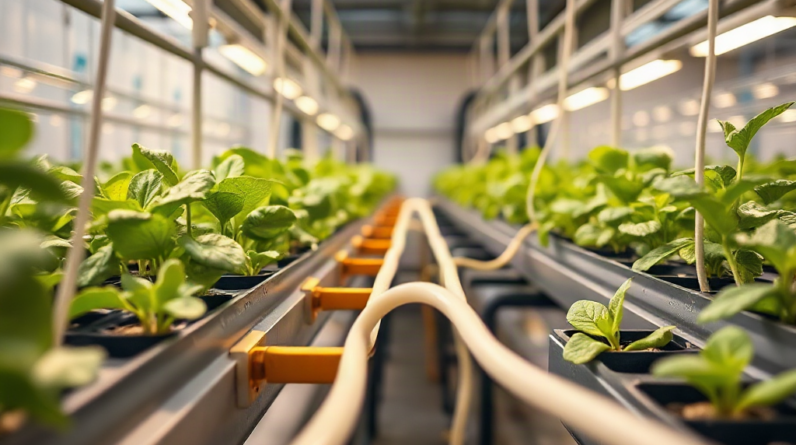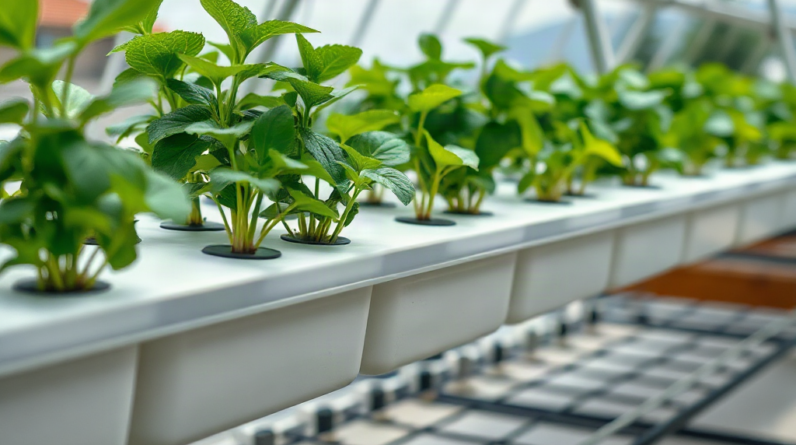
Understanding the dynamics of an indoor hydroponic greenhouse is crucial for successful plant production. Key factors include the choice of hydroponic system, such as Nutrient Film Technique (NFT) or Deep Water Culture (DWC), which directly influence plant health and yield. Additionally, environmental controls like temperature, humidity, and light exposure must be carefully managed to prevent common issues such as mold growth or nutrient deficiencies.
A frequent mistake is underestimating the importance of nutrient management. Hydroponic systems require precise nutrient solutions tailored to specific plant needs, and inconsistencies can lead to poor growth or crop failure. Prioritizing regular monitoring and adjustments based on plant development stages can significantly enhance productivity.
Choosing the Right Hydroponic System
Selecting the appropriate hydroponic system is fundamental to the success of an indoor greenhouse. Systems like NFT, DWC, and aeroponics each have unique benefits and challenges. NFT is efficient for leafy greens, while DWC can support a wider range of plant types, including fruiting plants.
When deciding on a system, consider factors such as space, budget, and the types of crops you wish to grow. For instance, NFT requires less water and can be more cost-effective, but it may not be ideal for larger plants with extensive root systems. Weighing these considerations can guide you toward the most suitable option for your specific needs.
Additionally, it’s essential to assess your skill level and available resources. Beginners might opt for simpler systems that are easier to manage, while experienced growers may experiment with more complex setups that can yield higher outputs. Understanding your own capabilities and limitations will help shape your hydroponic journey.
Environmental Control: Key Factors
Maintaining optimal environmental conditions is critical in an indoor hydroponic greenhouse. Temperature, humidity, and light levels must be carefully monitored and adjusted to ensure healthy plant growth. Most plants thrive in temperatures between 65°F to 75°F (18°C to 24°C) and require specific light durations depending on their growth stage.
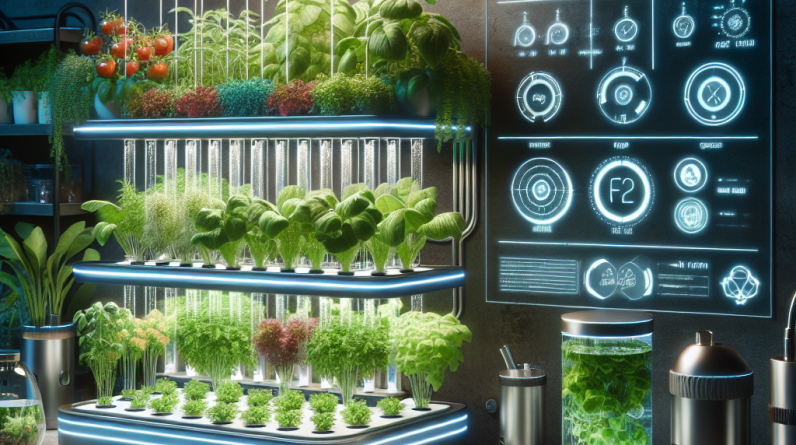
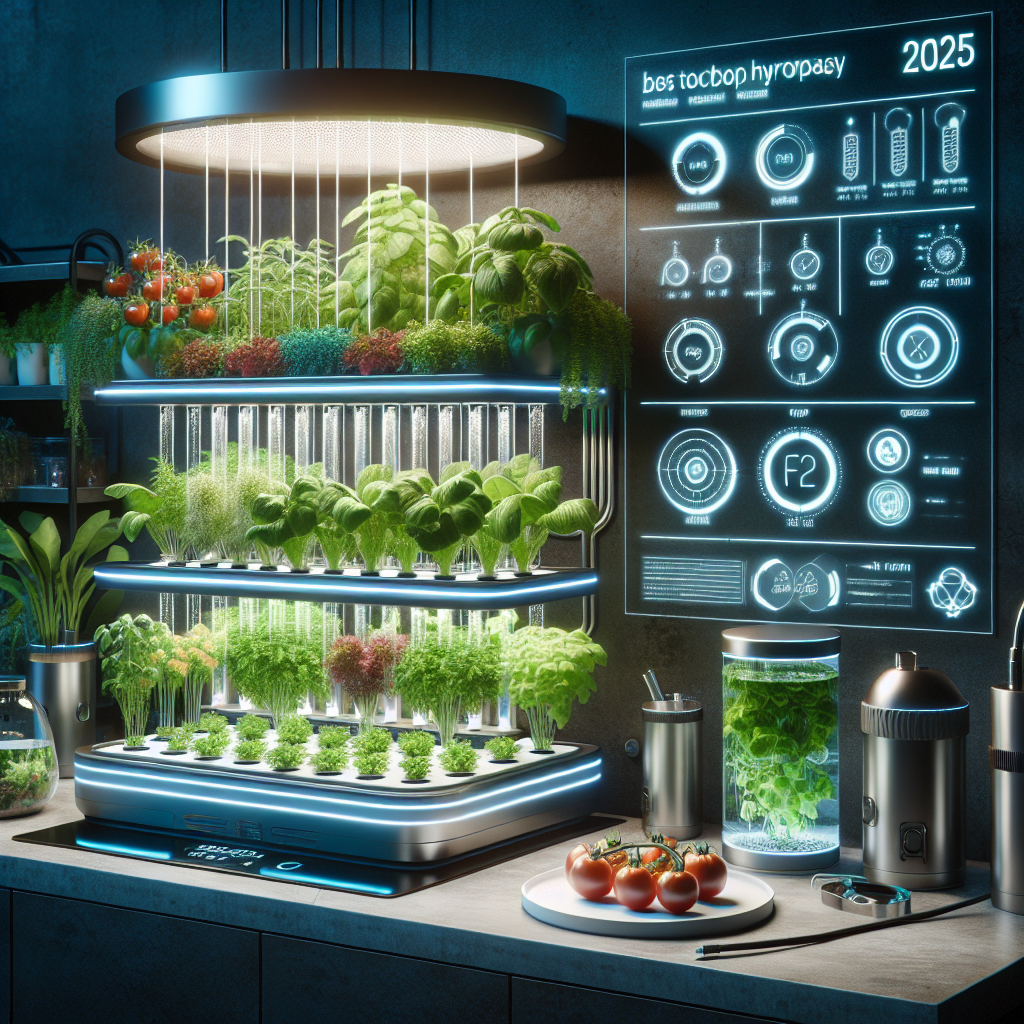
Utilizing automated systems for climate control can significantly enhance consistency and reduce labor. For example, programmable timers for lights and automatic humidity controls can help maintain ideal conditions with minimal manual intervention. This not only improves plant health but also saves time and effort.
Moreover, regular monitoring of environmental parameters is vital. Investing in quality sensors for temperature and humidity can help prevent issues such as overheating or excessive moisture, which can lead to disease. Being proactive about environmental management is key to sustaining a productive indoor hydroponic greenhouse.
Nutrient Management Strategies
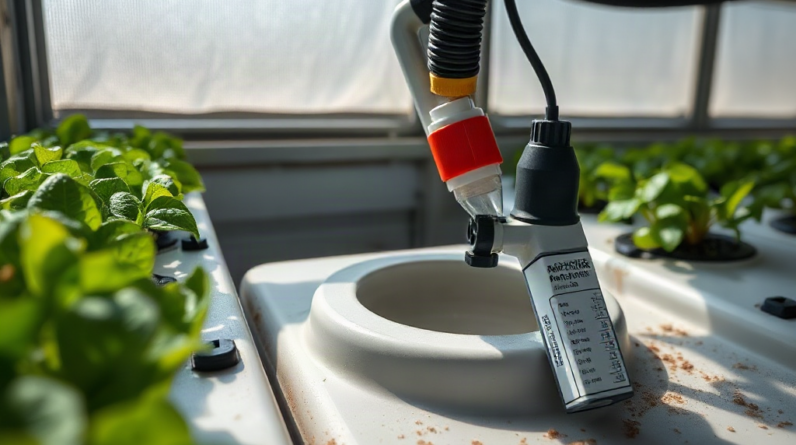
Nutrient management is one of the most critical aspects of hydroponic growing. Plants in a hydroponic system rely entirely on nutrient solutions for their growth, making it essential to provide the right balance of macronutrients and micronutrients. Regular testing of the nutrient solution is necessary to ensure that plants receive adequate nourishment.
Employing a nutrient solution tailored to the specific growth stage of your plants can significantly impact yield and quality. For instance, during the vegetative stage, plants require higher nitrogen levels, while fruiting plants benefit from increased phosphorus and potassium. Adjusting nutrient ratios according to these needs can promote healthier plants and better harvests.
Furthermore, consider the source of your nutrients. Using high-quality, hydroponic-specific fertilizers can reduce the risk of contaminants and improve plant uptake. Experimenting with organic nutrient options may also offer benefits, such as enhanced flavor and nutrient density in produce.
Common Mistakes and How to Avoid Them
Many beginners in indoor hydroponics fall prey to common pitfalls that can hinder growth and yield. One prevalent mistake is neglecting regular maintenance of the hydroponic system. Algae growth and nutrient imbalances can quickly arise in stagnant or poorly monitored systems, leading to plant stress or failure.
Another mistake is overcomplicating the setup. New growers often feel compelled to implement advanced technology and systems, which can create unnecessary challenges. Starting with a simpler system allows for learning and adaptation before scaling up to more complex setups.
To avoid these issues, establish a routine for system checks and maintenance. Documenting changes and observations will help identify patterns and improve overall management. Focus on mastering the basics before diving into advanced techniques to build a strong foundation for your hydroponic endeavors.
Further Reading
Authoritative Sources
- Hydroponics.net
hydroponics.netA comprehensive resource for hydroponic growing techniques and systems
- Gardening Know How
gardeningknowhow.comAn excellent source for practical gardening tips, including hydroponics
- Urban Agriculture
urbanagriculture.orgFocuses on urban farming practices, including hydroponic greenhouses
- Agriculture and Agri-Food Canada
agr.gc.caProvides insights into sustainable agricultural practices, including hydroponics
Frequently Asked Questions
What types of plants can be grown in an indoor hydroponic greenhouse?
A wide variety of plants can be grown, including leafy greens, herbs, tomatoes, peppers, and strawberries, depending on the hydroponic system used.
How often should I change the nutrient solution?
It’s generally recommended to change the nutrient solution every 1-2 weeks to maintain optimal nutrient levels and prevent imbalances.
Can I use regular soil nutrients in hydroponics?
No, regular soil nutrients are not suitable for hydroponics. Hydroponic systems require specific water-soluble nutrients formulated for plant absorption without soil.
What is the ideal temperature for an indoor hydroponic greenhouse?
The ideal temperature typically ranges from 65°F to 75°F (18°C to 24°C) for optimal plant growth.
How can I prevent pests in my indoor hydroponic greenhouse?
Regular monitoring, maintaining cleanliness, and using organic pest control methods can help prevent pest infestations in hydroponic systems.
Conclusion
Successfully operating an indoor hydroponic greenhouse requires careful attention to system selection, environmental control, and nutrient management. By understanding the unique challenges and opportunities presented by hydroponic growing, you can maximize your yield and efficiency. Prioritize regular maintenance, monitor conditions closely, and adjust practices based on plant needs. With dedication and informed decision-making, your indoor hydroponic greenhouse can thrive, providing fresh produce year-round.