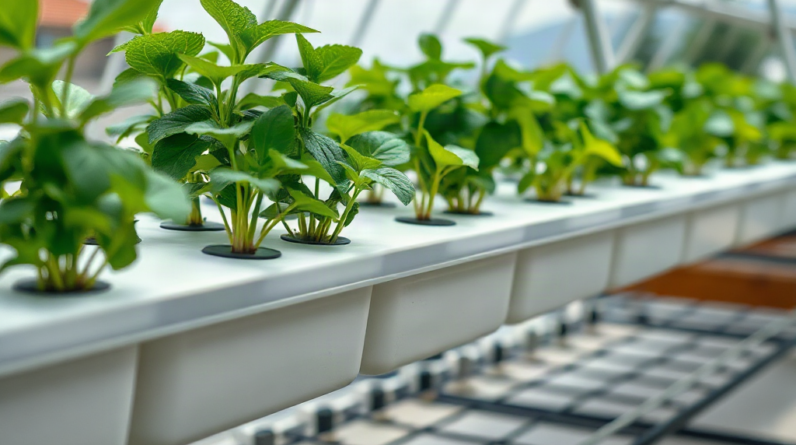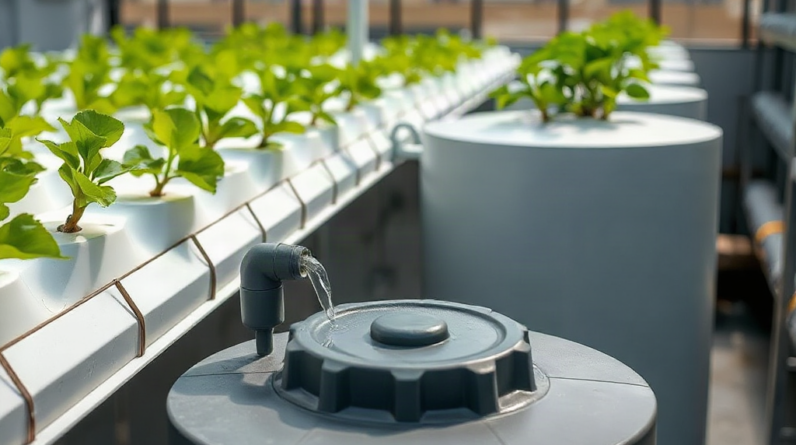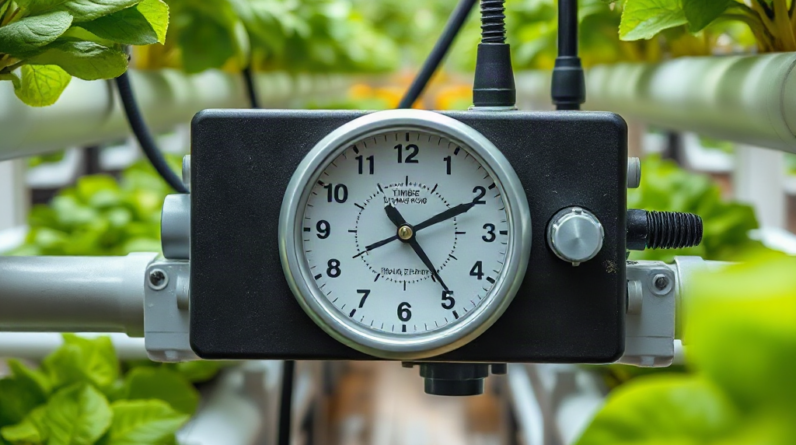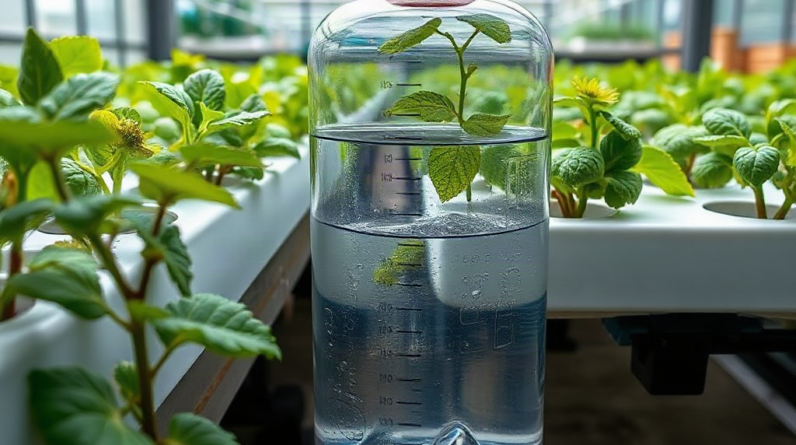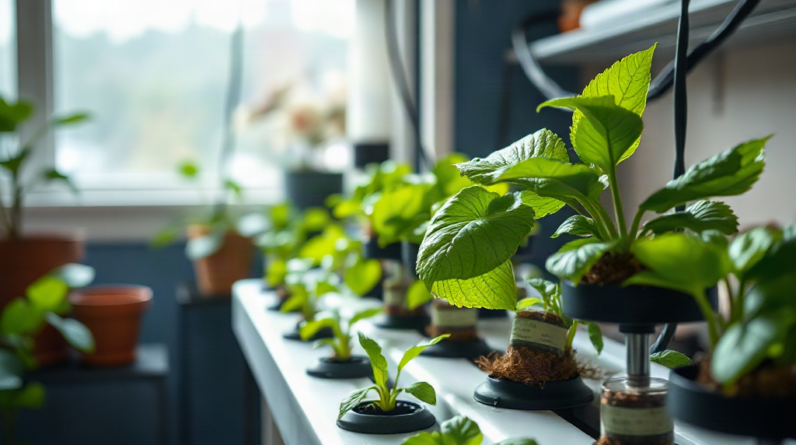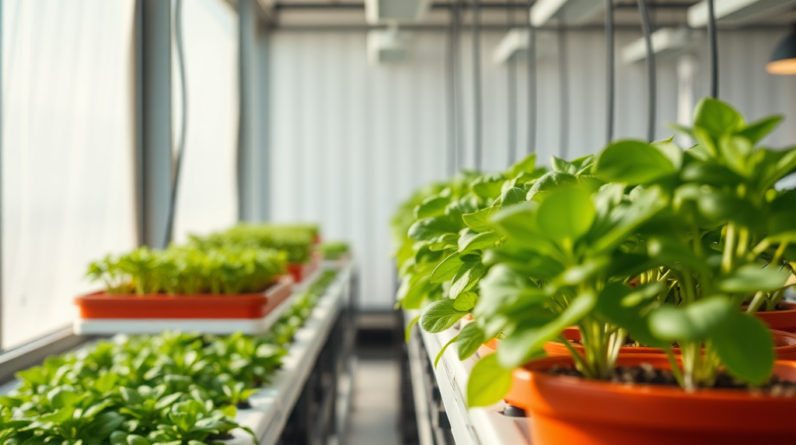
To effectively address environmental stress in hydroponic plants, it’s crucial to closely monitor and adjust temperature, humidity, and light levels. Stress can manifest through symptoms like wilting, yellowing leaves, and stunted growth, indicating that plants are struggling. Implementing climate control systems can help maintain optimal conditions, while regular assessments of nutrient levels and airflow are essential for promoting plant health. Additionally, ensuring proper humidity levels can prevent issues such as dehydration or fungal diseases. By proactively managing these factors, growers can enhance plant resilience and improve overall yields.
Understanding Environmental Stressors
Environmental stressors significantly impact hydroponic plants, primarily through factors like temperature, light, humidity, and nutrient availability. Each of these elements plays a crucial role in plant health. For instance, high temperatures can lead to heat stress, while inadequate light can hinder photosynthesis. Understanding these stressors allows growers to create optimal conditions for plant growth, ensuring high yields and quality produce.
Temperature fluctuations can lead to cellular stress in plants, causing them to divert energy from growth to survival. Similarly, excessive humidity can promote fungal diseases, while low humidity can lead to dehydration. Identifying the specific environmental conditions affecting your hydroponic system is essential for implementing effective solutions. Regular monitoring of these parameters can help detect issues before they escalate.
Identifying Symptoms of Stress
Recognizing the symptoms of environmental stress in hydroponic plants is crucial for timely intervention. Common signs include wilting, yellowing leaves, stunted growth, and poor fruit development. These symptoms often indicate that plants are struggling to cope with their environment.
For example, yellowing leaves may suggest nutrient deficiencies or excess light exposure, while wilting could indicate overwatering or insufficient humidity. By closely observing plant responses to their environment, growers can pinpoint specific issues and take corrective action. Regular assessments of plant health will enable you to adjust environmental factors proactively, preventing long-term damage.
Effective Mitigation Strategies
To effectively mitigate environmental stressors in hydroponic systems, implement strategies that focus on maintaining optimal conditions. Start by using climate control systems to regulate temperature and humidity. Automated systems can adjust conditions based on real-time data, ensuring plants are always in a supportive environment.
Additionally, consider the use of supplemental lighting to enhance photosynthesis during low-light conditions. This can be especially beneficial during winter months or in indoor setups where natural light is limited. Regularly checking nutrient solutions and adjusting pH levels can also prevent nutrient lockout, which can exacerbate stress symptoms. Establishing a consistent monitoring routine will help maintain plant health and promote resilience against environmental challenges.
Frequently Asked Questions
What are the main causes of environmental stress in hydroponic plants?
Main causes include temperature extremes, inadequate light, fluctuating humidity, and nutrient imbalances.
How can I tell if my hydroponic plants are stressed?
Look for symptoms such as wilting, yellowing leaves, stunted growth, or poor fruit development.
What immediate actions can I take to reduce stress in my plants?
Adjust environmental conditions, such as temperature and humidity, and ensure proper nutrient levels are maintained.
Is it possible to recover stressed plants?
Yes, with proper adjustments and care, stressed plants can often recover and return to healthy growth.
How often should I monitor my hydroponic system?
Regular monitoring is essential; check at least once a week to ensure optimal conditions and catch issues early.
Further Reading
Authoritative Sources
- USDA National Institute of Food and Agriculture
nifa.usda.govResearch and extension resources related to agriculture, plants, soil, and food systems
- Extension Foundation Gardening Resources
extension.orgUniversity extension education resources for practical gardening and home agriculture topics
- USDA Natural Resources Conservation Service
nrcs.usda.govSoil, water, conservation, and land management resources for practical growing decisions
Conclusion
Addressing environmental stress in hydroponic plants requires a proactive approach. By understanding the stressors and recognizing symptoms early, growers can implement effective mitigation strategies. Regular monitoring of environmental conditions and plant health is crucial for maintaining a thriving hydroponic system. Prioritizing optimal conditions not only enhances plant resilience but also maximizes yield and quality.
Related Content
- Hydroponic Growing Tips: Essential Techniques for Maximizing Yield and Health
- Hydroponic Garden Automation: Essential Tools and Techniques for Efficient Growth
- The Ultimate Guide to Hydroponic Farming in 2025: 7 Effective Strategies to Maximize Yield
- The Ultimate Guide to Hydroponic Container Gardening: 7 Effective Tips for 2025
- Evaluating Hydroponics for Household Food Supply Through Yield, Cost, And Reliability