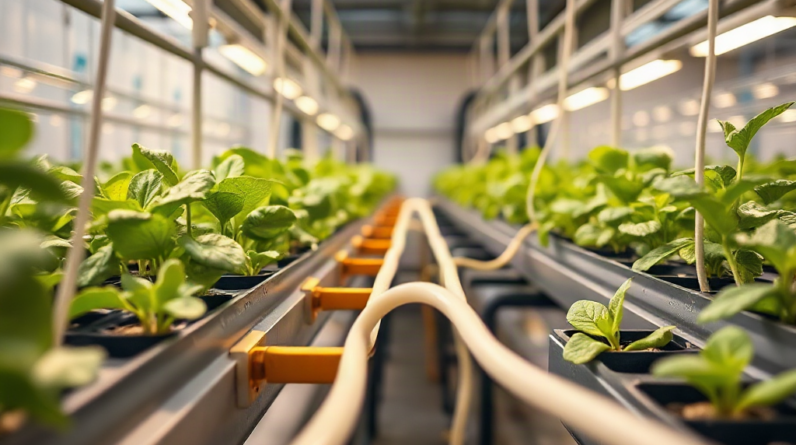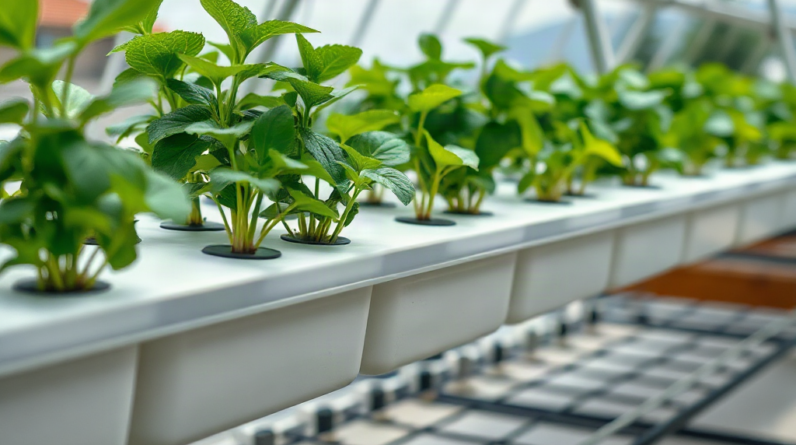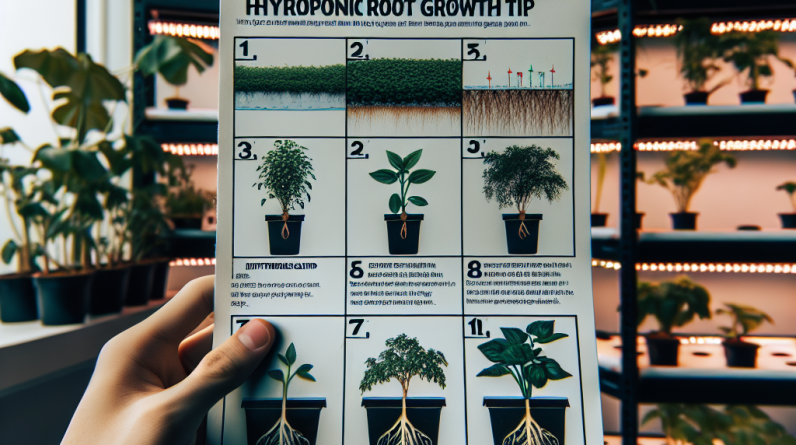
Hydroponic garden automation enhances plant growth by utilizing technology to manage environmental conditions efficiently. Essential components include climate control systems that regulate temperature and humidity, automated nutrient delivery systems that provide precise nutrient mixes, and adjustable lighting systems that optimize light exposure. Implementing these tools reduces manual labor and minimizes human error, leading to healthier plants and improved yields. A common mistake is neglecting to regularly calibrate sensors, which can result in inaccurate readings and suboptimal growing conditions. Regular maintenance and updates to your automation systems can significantly enhance their effectiveness.
Understanding Hydroponic Garden Automation
Hydroponic garden automation refers to the use of technology to manage and optimize the growth conditions of plants grown without soil. This system can include various automated devices that monitor and adjust environmental factors such as light, temperature, humidity, and nutrient delivery. Understanding the components of hydroponic automation is crucial for growers aiming to maximize yield and minimize labor.
Automation is particularly important in hydroponics because it allows for precise control of growing conditions, which can lead to healthier plants and better yields. For instance, automated systems can adjust nutrient levels based on real-time data, ensuring that plants receive the right amount of nutrients at the right time. This not only enhances growth but also reduces waste and resource consumption.
Key Components of Automation Systems
Automated hydroponic systems typically consist of several key components that work together to create an optimal growing environment. These include:
- Climate Control Systems: These systems manage temperature and humidity levels, using sensors and actuators to maintain ideal conditions for plant growth. For example, automated fans can regulate temperature by adjusting airflow based on real-time readings.
- Nutrient Delivery Systems: Automated nutrient delivery systems ensure that plants receive the correct nutrient mix at the right intervals. These systems can be programmed to deliver specific amounts of nutrients based on the growth stage of the plants.
- Lighting Systems: Automated grow lights can adjust their intensity and duration based on the specific needs of the plants, simulating natural sunlight conditions. This is especially useful in indoor hydroponic setups.
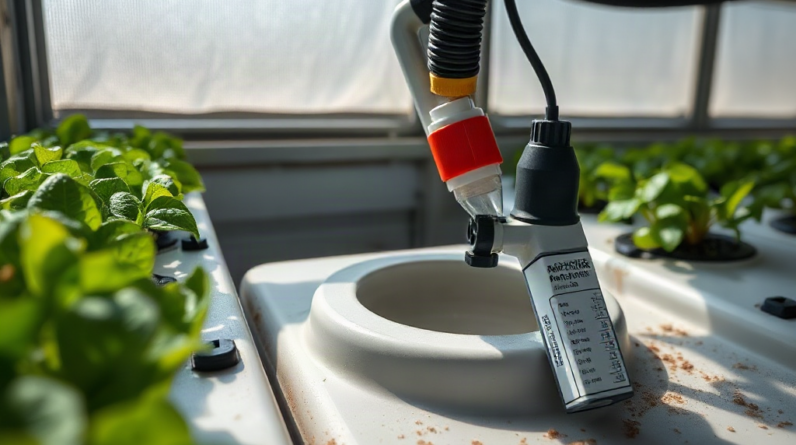
- Monitoring Sensors: These sensors track various environmental parameters, including pH levels, moisture content, and light intensity. By providing real-time data, they enable precise adjustments to the growing conditions.
Integrating these components into a cohesive system can significantly enhance the efficiency and effectiveness of a hydroponic garden.
Benefits of Automating Your Hydroponic Garden
Automating your hydroponic garden offers numerous benefits that can enhance both productivity and sustainability. One of the primary advantages is the reduction of manual labor. Automation allows growers to spend less time on routine tasks, which can be particularly beneficial for those managing larger systems.
Additionally, automation helps maintain consistent growing conditions, which is essential for optimal plant health and yield. For example, automated nutrient delivery ensures that plants receive nutrients precisely when needed, reducing the likelihood of nutrient deficiencies or excesses. This consistency can lead to faster growth rates and higher-quality produce.
Moreover, automation can contribute to resource conservation. By using sensors to monitor environmental conditions, growers can minimize water and nutrient waste, making hydroponic systems more sustainable. This is increasingly important as global food production faces challenges from climate change and resource scarcity.
Common Mistakes in Hydroponic Automation
While there are many benefits to automating a hydroponic garden, there are also common pitfalls that growers should avoid. One frequent mistake is over-reliance on automation without proper monitoring. Automated systems can fail, and without regular checks, growers may miss critical issues that could harm their plants.
Another mistake is not calibrating sensors correctly. For instance, pH and nutrient sensors must be calibrated regularly to ensure accurate readings. Inaccurate data can lead to poor decision-making and negatively impact plant health.
Lastly, neglecting to adjust the automation settings as plants grow is another common oversight. As plants mature, their needs change, and failing to update the system can result in suboptimal growth conditions. Growers should regularly review and adjust their automation parameters to align with the growth stages of their plants.
Frequently Asked Questions
What is hydroponic garden automation?
Hydroponic garden automation involves using technology to manage plant growth conditions, such as light, temperature, and nutrient delivery, enhancing efficiency and yields.
What are the benefits of automating a hydroponic garden?
Benefits include reduced manual labor, consistent growing conditions, faster growth rates, and improved resource conservation.
What components are essential for an automated hydroponic system?
Key components include climate control systems, nutrient delivery systems, automated lighting, and monitoring sensors.
How can I avoid mistakes in hydroponic automation?
Regularly monitor systems, calibrate sensors, and adjust settings as plants grow to prevent issues and optimize conditions.
Is hydroponic automation suitable for beginners?
Yes, hydroponic automation can simplify the growing process, making it accessible for beginners while providing valuable learning opportunities.
Further Reading
Authoritative Sources
- USDA National Institute of Food and Agriculture
nifa.usda.govResearch and extension resources related to agriculture, plants, soil, and food systems
- Extension Foundation Gardening Resources
extension.orgUniversity extension education resources for practical gardening and home agriculture topics
- USDA Natural Resources Conservation Service
nrcs.usda.govSoil, water, conservation, and land management resources for practical growing decisions
Conclusion
Hydroponic garden automation is a powerful tool that enhances the efficiency and effectiveness of growing systems. By understanding the components, benefits, and potential pitfalls of automation, growers can maximize their yields while minimizing labor and resource waste. Whether you are a beginner or an experienced grower, integrating automation into your hydroponic garden can lead to improved plant health and productivity. Start exploring automation options today to elevate your hydroponic gardening experience.