Hydroponic plants usually need pruning every few days to every two weeks, with the interval determined by crop type, growth stage, light exposure, and canopy density. Fast-growing tomatoes and cucumbers may need weekly attention, while peppers and herbs generally require lighter, less frequent cuts. Inspect plants two or three times per week, but remove growth only when leaves block light or airflow, side shoots disrupt the training plan, or damaged tissue appears. Avoid heavy pruning during transplant recovery, nutrient stress, or flowering transitions because excessive leaf removal can reduce photosynthesis, slow growth, and expose fruit to intense light.
Set Pruning Frequency by Crop Type
Crop growth habit is the most useful starting point for a pruning schedule. A single interval does not fit leafy greens, herbs, fruiting vines, and compact peppers because each directs new growth differently. Indeterminate tomatoes continuously produce leaves, suckers, flower clusters, and a lengthening main stem. Lettuce forms a low rosette that normally needs sanitation rather than structural pruning. Applying a weekly tomato routine to lettuce would remove productive foliage without creating a useful canopy shape.
Indeterminate tomatoes usually warrant inspection every two or three days and pruning about once a week during vigorous vegetative growth. The main task is removing selected suckers while they are small and maintaining the intended number of leaders. A tomato trained vertically to one stem needs more frequent attention than a plant allowed to carry two stems. Waiting several weeks lets suckers become thick branches; removing them then creates larger wounds and discards foliage the plant spent energy producing.
Hydroponic cucumbers can also require weekly work when trained upward. Depending on the cultivar and training method, pruning may include removing lateral shoots, old lower leaves, or unneeded flowers from designated nodes. The correct pattern is cultivar-specific, so seed supplier instructions should take priority over a universal rule. Removing every side shoot without regard to the production system can reduce the sites that would have carried fruit.
Peppers generally need less routine cutting. Young plants may be shaped early, but established plants often need pruning only every two to four weeks for crowding, weak interior shoots, or damaged leaves. Aggressive weekly pruning can leave too little leaf area to support developing fruit. Basil responds differently again: regular tip harvests every one to two weeks function as pruning by encouraging branching and delaying flowering. Mint and similar herbs can be cut back when stems become long, shaded, or difficult to keep evenly lit.
Leafy greens usually should not be pruned on a schedule. Remove yellow, broken, slimy, or solution-soaked outer leaves promptly, but retain sound foliage. For a crop-specific baseline, use How often hydroponic plants need pruning as an inspection question rather than permission to cut every plant each week. The crop’s architecture determines whether pruning is a central training task or occasional sanitation.
Adjust the Schedule as Plants Develop
Pruning demand changes as a plant moves from transplant establishment to vegetative expansion, flowering, fruit filling, and late production. Newly transplanted seedlings need enough healthy foliage to build roots and resume growth. Unless tissue is damaged or diseased, structural cuts are usually better delayed until the plant is established and producing clear new growth. Early over-pruning can slow canopy formation precisely when the plant has limited photosynthetic capacity.
During rapid vegetative growth, inspections should become more frequent even if actual pruning remains modest. Under strong light, warm conditions, and ample nutrient delivery, a tomato sucker that is easy to pinch this week may become a substantial stem by the next. Check fast-growing vines two or three times weekly and complete planned cuts roughly once a week. This separation between inspecting and cutting matters: regular observation catches problems early without turning every visit into unnecessary leaf removal.
Flowering and early fruit set call for restraint. Plants still need training, but a sudden reduction in leaf area can disturb the balance between vegetative growth and fruit development. Remove small unwanted shoots before they compete heavily, then avoid stripping large numbers of healthy leaves in one session. On a mature tomato vine, gradual removal of aging leaves below harvested or well-developed fruit clusters is usually less disruptive than clearing the lower canopy all at once.
Late in a production cycle, pruning often shifts from shaping the plant to preserving access, airflow, and sanitation. Older lower leaves may become shaded, touch equipment, or stay wet near return channels. Removing those leaves can make inspection and harvesting easier, but green leaves higher in the canopy still supply energy to fruit. A plant that looks visually tidy is not necessarily more productive; excessive thinning can expose fruit to strong lamps and reduce the canopy available for photosynthesis.
Environmental or nutritional stress should pause nonessential pruning. Wilting despite adequate solution, widespread chlorosis, root browning, stalled new growth, or a recent interruption in irrigation indicates that recovery deserves priority. Correct root-zone temperature, oxygenation, pH, nutrient concentration, or flow problems before making major structural cuts. Resume lightly after vigorous new growth returns. The common mistake is treating pruning as a cure for weak growth when the actual limitation is below the canopy.
Use Canopy Signals Instead of the Calendar Alone
A calendar provides reminders, but plant signals decide whether a cut is justified. The best pruning interval keeps leaves separated enough for useful light penetration and air movement while preserving sufficient foliage to drive growth. Dense overlap, persistently shaded interior leaves, obstructed flowers, and shoots growing outside the support area all indicate that attention is due. A few overlapping leaves are normal and do not automatically require removal.
Start each inspection at the base and work upward. Look for dead or yellowing leaves, tissue touching wet surfaces, trapped debris, pest damage, and branches rubbing against supports. Then view the canopy from the lamp side and the aisle. If the upper foliage forms a solid layer that leaves the interior dark, selective removal or repositioning may be useful. If light already reaches several canopy levels and air can pass between plants, another round of cutting may offer little benefit.
A compact decision check keeps pruning purposeful:
- Remove sanitation risks first: dead, badly damaged, decaying, or persistently wet foliage.
- Correct the training structure: eliminate only the suckers or laterals excluded by the chosen stem plan.
- Open specific congested areas: thin individual leaves rather than stripping an entire level.
- Stop while productive foliage remains: reassess after several days before making another substantial reduction.
Consider two tomatoes under the same light. One is trained to a single leader in a narrow channel and produces vigorous suckers at nearly every node; it may need weekly pruning. The other is a compact determinate cultivar with open spacing and limited new branching; it may need only damaged-leaf removal. Equal plant age does not create equal pruning demand. Architecture, spacing, cultivar, and training objective are stronger signals than the date on the calendar.
Signs that the approach is working include manageable stem positions, accessible flower clusters, dry leaf surfaces, and continued healthy new growth after cutting. Warning signs include limp plants after each session, slow replacement growth, exposed fruit, or a canopy that becomes sparse faster than it refills. Keep a simple log of dates, cuts made, and the plant’s response. That record gives a more reliable answer to How often hydroponic plants need pruning in a particular room than copying a fixed interval from a different cultivar or lighting setup.
Prune Without Stressing the Plant or Spreading Disease
Technique determines whether frequent pruning remains a small maintenance task or becomes a source of damage. Make cuts when plants are hydrated and the canopy is dry, preferably with enough light-period time remaining for surfaces to dry. Avoid working immediately after a system failure or during visible wilting. A healthy plant generally handles a few small cuts better than a large, sudden loss of foliage.
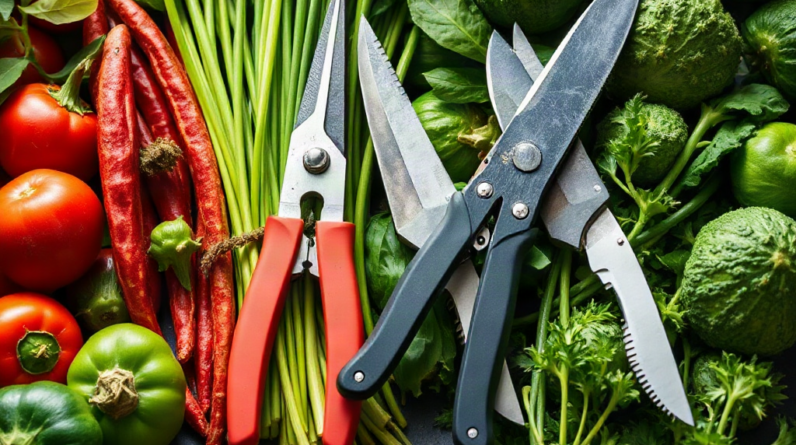
Small tomato suckers may be pinched when tender, while thicker stems should be cut with clean, sharp snips. Support the main stem so the cut does not tear the epidermis. Cut leaf petioles cleanly without gouging the main stem, and avoid leaving ragged tissue that remains wet. For basil, cut above a healthy node so remaining buds can branch. Crop-specific cutting points matter more than making every canopy look uniformly shaped.
Clean tools before beginning and between plants when disease is suspected. Remove cut material from channels, net pots, floors, and reservoirs rather than letting it decompose near the root zone. Work on healthy plants before plants showing spots, lesions, unusual wilting, or pest activity. Gloves and snips can transfer sap and contaminated tissue through a tightly spaced indoor crop, so speed should not replace sanitation.
Limit each session to the growth that has a clear reason for removal. A useful order is damaged tissue, unwanted training shoots, then selected congestion. If a mature plant needs extensive correction after being neglected, divide the work across multiple sessions rather than removing a large share of the canopy at once. The exact safe amount varies with species, plant condition, and environment, which makes gradual correction more defensible than a rigid percentage.
After pruning, check the plant over the next several days. Healthy shoots should remain firm, new growth should continue, and cut sites should dry rather than darken or soften. Increased wilting, halted growth, spreading lesions, or rapid leaf yellowing calls for a pause and a review of water delivery, roots, environment, and sanitation. Do not respond by cutting more foliage unless specific tissue is decaying. A successful routine produces smaller, easier cuts over time; repeated large corrections indicate that inspections are too far apart or the training plan does not fit the available space.
Frequently Asked Questions
Should hydroponic plants be pruned every week?
Not all of them. Vigorous tomatoes and cucumbers may need weekly structural pruning, while peppers, lettuce, and slower herbs often need only occasional shaping or damaged-leaf removal.
How often should I inspect plants for pruning?
Inspect the canopy two or three times per week. Inspection does not require cutting; it allows small suckers, damaged leaves, crowding, and sanitation problems to be addressed before they become difficult.
Can hydroponic plants be over-pruned?
Yes. Removing too much healthy leaf area can slow growth, reduce the plant's capacity to support fruit, and expose fruit or lower leaves to excessive light.
Should yellow leaves always be removed?
Fully yellow, damaged, or decaying leaves should usually be removed, but widespread yellowing requires a root-zone, pH, nutrient, light, or irrigation check rather than repeated pruning alone.
Is it better to prune before or after the lights turn off?
Prune while plants are hydrated and foliage is dry, leaving time for cut surfaces to dry. Avoid major work on wilted plants or immediately before a cool, humid dark period.
Conclusion
Build the pruning routine around crop architecture, current growth rate, and a clearly chosen training system. Inspect vigorous vines several times per week, make small planned cuts before unwanted shoots become thick, and give compact crops a lighter touch. Healthy leaves should remain unless they create a specific problem involving crowding, sanitation, access, or the intended stem structure.
Record how each cultivar responds, especially after changes in lighting, spacing, or nutrient delivery. If growth stalls or the canopy looks sparse after pruning, lengthen the interval and investigate root-zone conditions before cutting again. Clean tools, gradual corrections, and prompt removal of discarded foliage reduce avoidable damage. The next practical step is to inspect each crop separately and schedule only the cuts that have a defined purpose.
Related Content
- Matching Pump Flow to Hydroponic Plumbing: Sizing Steps, Pressure Loss, and System Checks
- Revolutionize Your Plant Growth with Dutch Bucket Hydroponics: A Sustainable Approach for Every Gardener
- Soil-Free Gardening Method: Techniques and Benefits for Thriving Plants
- How to Create a Low-Maintenance Hydroponic System
- Hydroponics Garden Kit Review