Hydroponic gardening startup costs vary mainly by growing method, with a basic wick setup often costing about $40–$100, small deep-water culture systems about $80–$250, and pump-driven drip, ebb-and-flow, or NFT gardens commonly starting around $150–$500. Lighting, meters, nutrients, air pumps, reservoirs, and plant capacity affect the total more than the container alone. Passive methods cost less but offer limited control, while active systems require pumps, plumbing, and backup planning. Budget for replacement nutrients, pH supplies, electricity, and spare components rather than spending the entire amount on the initial kit.
What Belongs in a Hydroponic Startup Budget
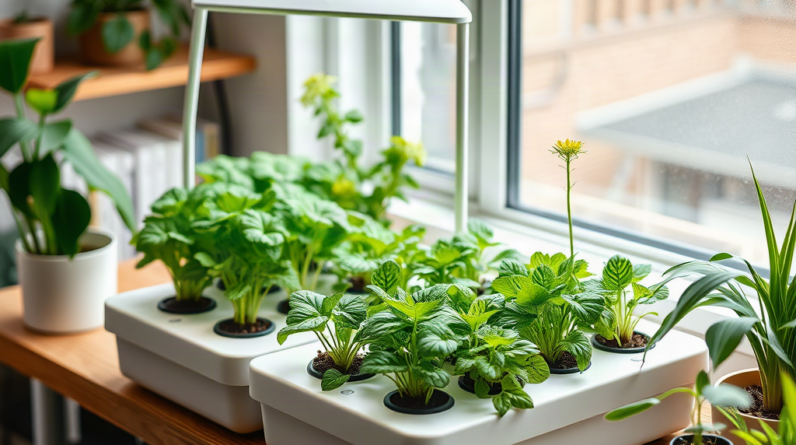
A useful startup budget separates equipment needed to circulate or hold nutrient solution from equipment needed to create a suitable growing environment. A countertop herb garden beside a bright window may need no dedicated light, while the same garden in a basement could require a fixture, timer, hanging hardware, and ventilation. Comparing systems by kit price alone therefore produces misleading conclusions.
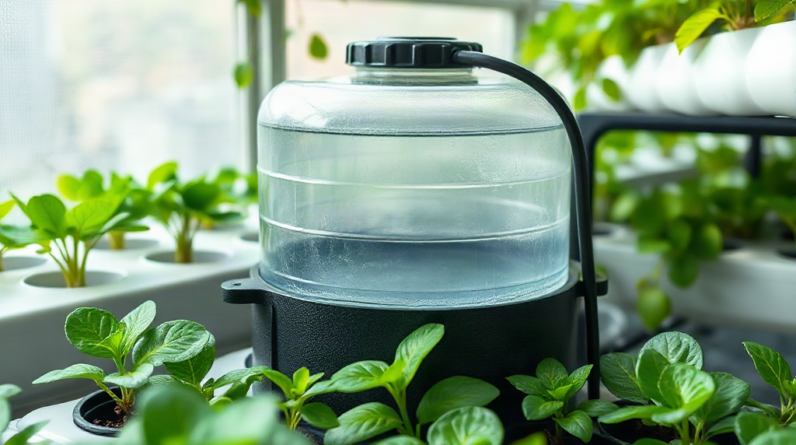
The system itself usually includes a reservoir or individual containers, net pots, tubing, fittings, and some form of plant support. Active methods add a water pump, air pump, or both. Growers also need nutrients formulated for hydroponic use, a way to measure pH, and basic supplies for raising seedlings. An electrical conductivity meter is not mandatory for every tiny beginner garden, but it becomes increasingly useful as reservoir volume, crop value, and nutrient strength increase.
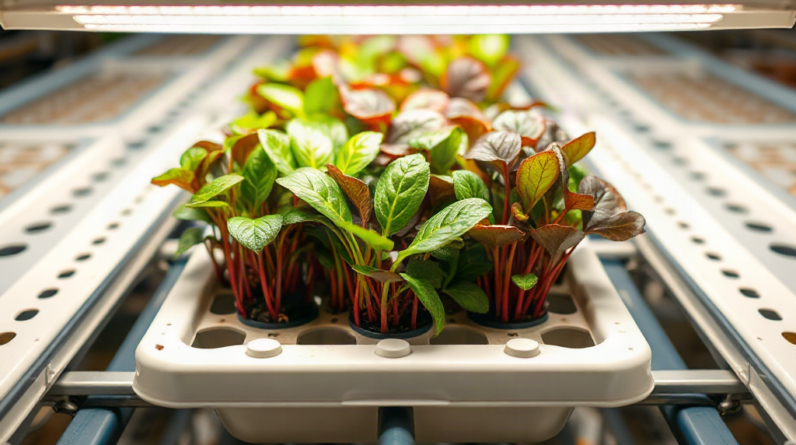
Lighting can become the largest single expense in an indoor installation. Fixture cost is only part of the calculation: electrical use, mounting clearance, heat, and the illuminated footprint determine whether a light is economical. A low-cost fixture that covers half the intended plant area may force an early replacement. Fruiting crops such as tomatoes and peppers generally demand more light, vertical clearance, support, and nutrient management than lettuce or basil.
A realistic first-purchase plan should account for four spending groups:
- Growing hardware: containers, channels, pumps, aeration equipment, fittings, and plant supports.
- Monitoring and inputs: nutrients, pH test supplies or meters, calibration solution, and growing media.
- Environmental equipment: lights, timers, fans, reflective surfaces, shelving, and water protection.
- Operating reserve: replacement air stones, spare tubing, cleaning supplies, electricity, and the next nutrient purchase.
Shipping, sales tax, and modifications can move a project beyond its advertised price. Proprietary kits may also require special pods or replacement parts, whereas systems assembled from common buckets, tubing, and net pots are usually easier to repair. Readers comparing hydroponic gardening startup costs by growing method should price a complete working garden rather than a bare frame or reservoir.
The common budgeting mistake is buying the maximum number of plant sites for the available money. Plant capacity is useful only when the lighting, reservoir, and maintenance schedule can support it. A smaller installation with adequate light and stable aeration is often a better first purchase than a crowded system that immediately needs upgrades.
Costs for Wick, Kratky, and Deep-Water Culture
Passive methods generally have the lowest entry price because they remove water pumps and extensive plumbing. A small wick garden can often be assembled for roughly $40–$100 when containers, wicking material, net pots, medium, nutrients, and basic pH testing are included. It suits herbs and compact leafy plants, but the wick may not deliver enough water or oxygen for large, thirsty crops. Saving money on equipment comes with a narrower crop range.
The Kratky method uses a covered container with nutrient solution and leaves an expanding air gap as the water level falls. A one- or two-container project may fall within a similar $40–$120 planning range, excluding a grow light. It has no pump and consumes no circulation electricity, making it attractive for lettuce and short-cycle greens. The container must be opaque enough to limit algae, large enough to carry the crop through much of its growth, and positioned where solution temperature remains manageable.
Low price does not make passive culture maintenance-free. Small containers change concentration quickly as plants drink water, and topping up without considering nutrient strength can create an imbalanced solution. A loose lid can admit light and encourage algae. Passive systems are also less forgiving when a large plant depletes its reservoir sooner than expected. Beginners should match container volume to the mature plant rather than to the size of the seedling.
Deep-water culture, or DWC, adds active aeration. A basic single-bucket or small tote installation commonly lands around $80–$250 after allowing for an air pump, air stone, tubing, net pots, nutrients, and measurement supplies. Multi-bucket designs cost more because each additional site needs a container, connection, and dependable oxygen delivery. DWC can support fast leafy growth and larger plants, but roots depend on continuous aeration once they are submerged.
Consider a renter growing four lettuce plants under an existing light. Kratky may be the least expensive and quietest option because there is no pump. If the same gardener wants a basil plant maintained through repeated harvests, DWC provides better oxygenation and a practical way to replenish the reservoir. The tradeoff is pump noise, electricity use, and vulnerability to an air-pump failure.
The weakest assumption is that a homemade container makes the entire setup nearly free. Light exclusion, safe placement, spill containment, and reliable aeration still matter. Reusing a suitable opaque container may reduce cost, but an improvised lid that bends under mature plants can erase the savings. Signs that the budget choice is working include stable plant support, pale healthy root tips, consistent aeration, and enough reservoir capacity to avoid daily emergencies.
Costs for Drip, Ebb-and-Flow, and NFT Systems
Pump-driven systems cost more because solution delivery must be engineered rather than simply contained. For a modest home installation, drip or ebb-and-flow equipment often starts around $150–$500 before substantial indoor lighting is added. Nutrient film technique, commonly called NFT, can occupy a similar starting range, although channel quantity, support framing, return plumbing, and reservoir size can push the total higher. These figures are planning ranges, not fixed retail prices.
A drip system sends nutrient solution through individual emitters to each plant. It is flexible enough for coco coir, clay pebbles, and larger fruiting crops, and each container can be positioned with more freedom than an NFT channel permits. Costs accumulate through emitters, distribution tubing, stakes, a pump, a timer, drainage collection, and media. Cheap emitters may clog or deliver unevenly, so a bargain component can create different moisture levels across the garden.
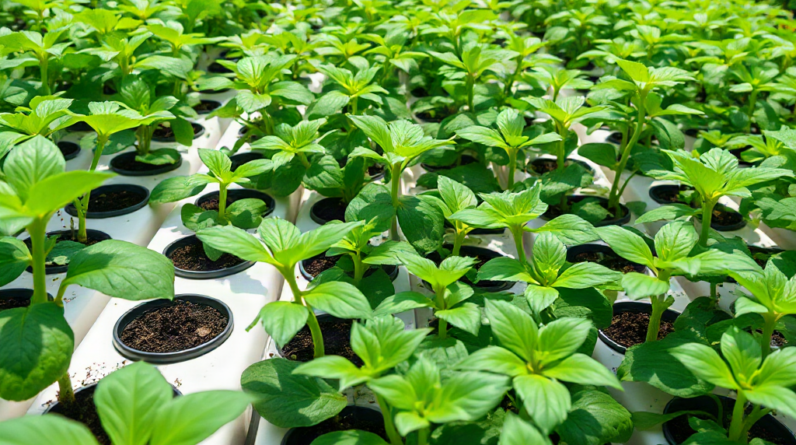
Ebb-and-flow systems periodically flood a tray and drain the solution back into a reservoir. The method can serve many small pots from one tray and is convenient for seedlings, herbs, and mixed plant spacing. A dependable build requires a level tray, flood and drain fittings, an adequately sized reservoir, a timer, and protection against overflow. Underestimating the volume displaced by pots and media is a frequent design error; the reservoir must hold the returning solution without overflowing and leave enough volume for the pump to remain submerged during a flood cycle.
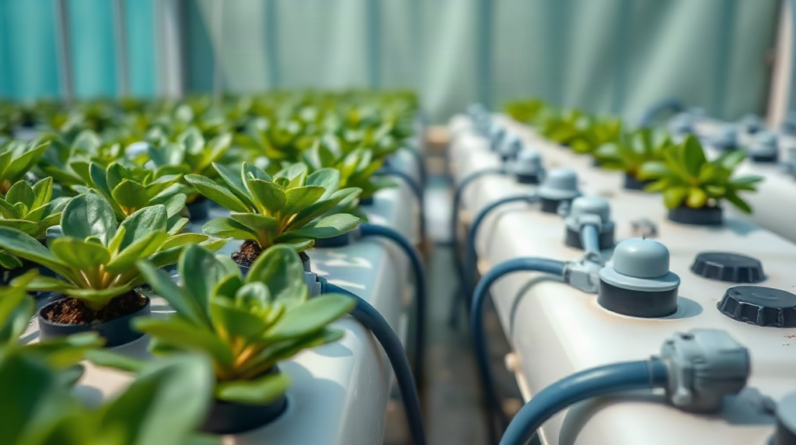
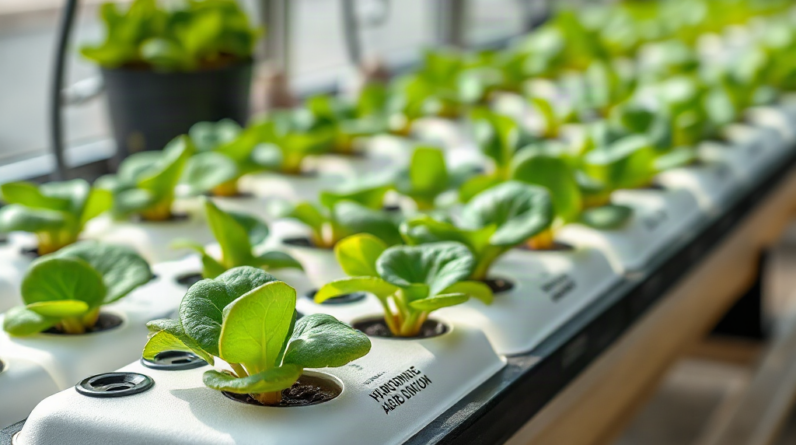
NFT circulates a shallow film of solution through slightly sloped channels. It uses little growing medium and works well for compact leafy crops, but accurate leveling and uninterrupted flow matter. Long channels that sag or sit unevenly can create dry root zones in one area and standing water in another. Pump failure is more urgent than in DWC because roots in a channel may lose their moisture supply quickly, especially in warm conditions.
A practical example is a gardener choosing between twelve lettuce sites in an NFT rail and twelve pots on an ebb-and-flow tray. NFT may provide a clean, space-efficient layout, but the rail requires careful support and uniform flow. Ebb-and-flow accepts different pot sizes and provides a temporary moisture buffer in the media, although the tray and filled pots can be heavy. The better value depends on crop uniformity, floor strength, drainage access, and the grower’s willingness to inspect plumbing.
Set aside part of the active-system budget for a spare pump or an emergency aeration plan. Overspending on channels while buying the least dependable pump creates a single point of failure. Successful operation looks like equal delivery at all sites, a pump that never runs dry, unobstructed return flow, and accessible fittings that can be cleaned without dismantling the garden.
Choosing a Method Without Underestimating the Total
The lowest purchase price is not necessarily the lowest cost per successful harvest. Method selection should begin with the intended crop, growing location, available attention, and tolerance for pump-dependent failures. Lettuce in a naturally bright seasonal space has very different requirements from indoor tomatoes grown through winter.
Start by defining the number and mature size of plants. Then price the lighted area rather than the number of holes advertised by a kit. A compact fixture may illuminate six leafy plants adequately but leave the outer sites of a larger unit shaded. For fruiting crops, include trellising, stronger lighting, larger root volumes, and ventilation before comparing the method’s base price.
A practical buying sequence keeps optional upgrades from displacing critical equipment:
- Choose the crop and location. Confirm mature height, light demand, temperature range, and access to water and drainage.
- Select the simplest compatible method. Passive containers suit short-cycle greens; DWC adds oxygen for longer growth; drip systems handle media-filled crop containers; NFT favors uniform leafy plants.
- Price a complete operating setup. Include lighting, timers, nutrients, testing supplies, media, supports, and spill protection.
- Reserve money for continuity. Keep replacement consumables and a backup response for failed pumps or aeration.
- Expand after one full crop cycle. Use actual refill frequency, plant spacing, and maintenance time to guide the next purchase.
Space can overturn an apparently sensible budget. NFT rails use horizontal or stacked layouts efficiently, but stacked channels require even light and convenient access to lower levels. DWC buckets provide generous root volume but occupy floor area and become heavy when full. Ebb-and-flow trays concentrate many plants in one footprint, yet they need sturdy, level support. A drip layout can fit irregular spaces, although added tubing creates more leak points.
Operating costs also differ. Passive systems avoid pump electricity but may use separate containers that take longer to check. One recirculating reservoir can simplify nutrient preparation, but a contamination or dosing error affects every connected plant. Growing media may be reusable in some systems after appropriate cleaning, while compacted or root-filled material may need replacement. Nutrient use depends on reservoir management, crop demand, and whether solution is recirculated or discarded.
When using a detailed startup-cost comparison, mark every item as required now, reusable later, or optional. Delay decorative frames, automation, and extra plant sites before cutting aeration, light coverage, electrical safety, or measurement capability. A sensible first system leaves enough money to operate through the harvest instead of exhausting the budget on opening day.
Frequently Asked Questions
What is the cheapest hydroponic growing method to start?
A small wick or Kratky setup is usually the least expensive because it needs no water pump. It is best suited to herbs and leafy greens rather than large fruiting plants.
How much should a beginner reserve beyond the system price?
Keep part of the budget for nutrients, pH supplies, seed-starting materials, replacement tubing or air stones, and electricity. Lighting may need a separate budget because it can cost more than the growing container.
Is a hydroponic kit cheaper than building a system?
A kit can be economical when it includes correctly matched pumps, fittings, and containers. A build may cost less when common parts are available, but repeated purchases caused by incompatible fittings can remove the savings.
Which method offers the best value for lettuce?
Kratky is inexpensive for a few heads, while DWC and NFT become more attractive when consistent production or additional plant sites justify pumps and shared infrastructure.
What expense is most often missing from beginner budgets?
Indoor lighting is frequently underestimated. Growers also overlook meters, calibration supplies, plant supports, timers, spill containment, and replacement consumables needed after the initial setup.
Conclusion
Choose a growing method by pricing the complete environment around the plants, not just the reservoir or kit. Passive wick and Kratky gardens keep equipment costs low for modest leafy crops. DWC adds dependable root-zone aeration, while drip, ebb-and-flow, and NFT provide greater capacity or crop flexibility at the cost of pumps, plumbing, and closer failure planning.
Before purchasing, define the crop, mature plant count, location, and required lighted area. Build a line-item budget that includes nutrients, testing supplies, supports, electricity, and replacements, then preserve a reserve for the first full crop cycle. Starting with fewer well-supported plants reveals actual refill frequency, maintenance demands, and space constraints. Those observations provide a sounder basis for expansion than buying unused plant sites at the outset.
Related Content
- Urban Farming Revolution: Hydroponics Leads the Way
- Hydrogen Peroxide for Hydroponic System Cleaning: Concentration, Contact Time, and Rinse Steps
- 10 Effective hydroponic root growth tips (2025 Guide) to Boost Your Plants
- Timing Issues With Hydroponic Crop Cycles: Common Mistakes and Solutions
- How to Increase Oxygen Levels in Hydroponic Reservoirs: Effective Methods for Healthy Plant Growth