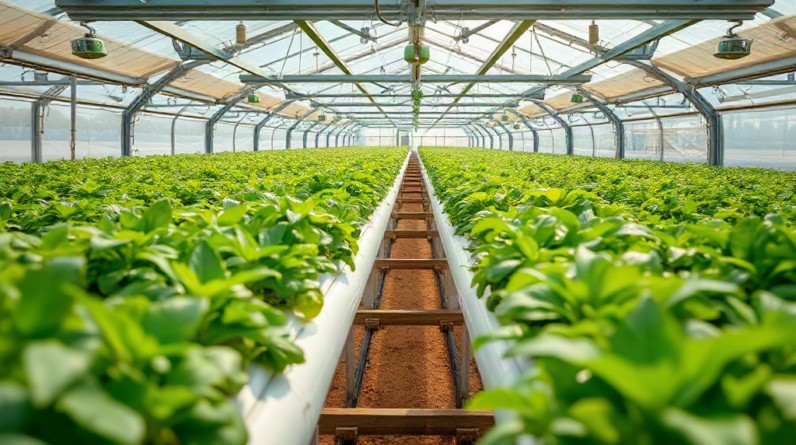
Hydroponic systems that work without wall power include the Kratky method, wick-fed containers, gravity-fed drip layouts, and solar-powered pumps with battery storage. Passive designs are usually the simplest because they avoid pump failures, but they require adequate root-zone air, stable nutrient volume, and crops with manageable water demand. Leaf lettuce, basil, and compact greens generally fit these constraints better than large fruiting plants. For dependable results, protect the reservoir from heat and light, leave an intentional air gap as roots develop, and size the nutrient supply for the crop’s full growth period rather than its seedling-stage consumption.
Which Designs Can Operate Without an Outlet?
No-outlet hydroponics falls into two distinct groups: genuinely passive systems and active systems supplied by off-grid electricity. The distinction matters because a container with a solar pump still depends on electrical aeration or circulation. A Kratky container or wick bed can continue operating through cloudy weather and battery failure because nutrient movement comes from root uptake, capillary action, or gravity.
The Kratky method is the most direct passive option. A plant sits above a reservoir with its young roots touching the nutrient solution. As the plant consumes water, the solution level falls and exposes part of the expanding root mass to humid air. The submerged roots take up water and dissolved minerals, while the roots above the solution obtain oxygen. The reservoir is normally not topped up to its original level because doing so can drown air-adapted roots.
Wick systems move solution from a lower reservoir into an inert growing medium. They are inexpensive and suitable for seedlings, herbs, and small greens, but the wick limits delivery speed. A thick wick, short vertical lift, and moisture-retentive medium improve delivery. Even then, a mature tomato or cucumber can use water faster than passive capillary flow replaces it. Adding more wicks may help, but it does not turn a small reservoir into a high-capacity system.
Gravity-fed drip irrigation occupies the middle ground. An elevated nutrient tank creates pressure, allowing solution to pass through tubing without a pump. It can serve several containers, but low pressure makes small drippers prone to uneven flow and blockage. A simple open-ended distribution line is often more dependable than pressure-compensating emitters designed for pumped irrigation. The runoff also needs a destination; recirculating it uphill would require a pump.
Solar aerators and circulation pumps broaden the crop choices, yet their output varies with panel exposure, battery capacity, pump condition, and weather. Direct-solar pumping without a battery may stop precisely when a hot, cloudy period raises oxygen stress. Treat solar equipment as an active system with an independent energy source, not as a maintenance-free substitute for passive hydroponics. Readers comparing Hydroponic systems that work without wall power should first decide whether uninterrupted passive operation or higher active-system capacity is the priority.
Matching Crops to Passive Root-Zone Conditions
Crop selection determines whether a passive layout feels effortless or constantly undersized. The strongest candidates finish relatively quickly, remain compact, and tolerate modest changes in nutrient concentration. Loose-leaf lettuce, smaller basil cultivars, arugula, mustard greens, and many Asian leafy greens fit that profile. They need enough reservoir capacity, but their total water demand is more manageable than that of long-season fruiting crops.
Plant size alone does not tell the whole story. A mature herb in a sunny, dry location may transpire rapidly, while a larger leafy plant in mild conditions can consume solution more slowly. Wind, leaf area, temperature, humidity, and direct sun all affect water use. A container that lasts through an indoor lettuce crop may run dry early when placed outside with basil during warm weather.
Large tomatoes, cucumbers, peppers, and squash expose the limitations of small passive reservoirs. They remain in production longer, develop extensive roots, need physical support, and may consume substantial water during flowering and fruit development. They can be grown without wall power, but the layout usually requires a much larger nutrient reserve, controlled refilling, or gravity delivery. A small jar that supports a young tomato is not evidence that it can support the plant through harvest.
Root crops are another weak match. Hydroponic radishes or small beets can grow in suitable media, but a narrow net cup and permanently wet root zone may restrict swelling or encourage malformed roots. Leaf crops deliver a more predictable return from the same equipment. Mint can grow vigorously, though its roots may crowd a small vessel and complicate sanitation between plantings.
A useful crop decision compares expected plant demand with available solution and root space:
- Best fit: quick leafy greens and compact herbs in mild growing conditions.
- Possible with more capacity: larger herbs and dwarf fruiting plants supplied by generous reservoirs or gravity-fed replenishment.
- Poor fit for a first attempt: sprawling, long-season crops in small, sealed, non-refillable containers.
The common mistake is choosing a crop based on whether it can germinate in the setup. Germination proves very little about mature demand. Estimate the plant’s final canopy, growing duration, support needs, and likely water consumption before selecting the vessel. If those demands exceed passive delivery, use a larger reservoir or move to solar-assisted aeration rather than waiting for wilting to reveal the mismatch.
Reservoir Setup, Nutrients, and Oxygen Management
Reservoir geometry controls more than storage capacity. A wide opening may admit light and heat, while a shallow container can warm rapidly and lose solution through evaporation. An opaque, food-compatible vessel with a secure plant lid reduces algae growth and prevents leaves, insects, and rain from changing the nutrient solution. Outdoor containers also need physical stability so wind cannot overturn a top-heavy plant.
In a Kratky layout, the initial solution level should moisten the seedling plug or reach the lower portion of newly established roots. Once roots extend into the reservoir, normal consumption creates the air space needed by the upper root zone. Filling the vessel to the lid later can remove that oxygen-rich region. If replenishment becomes necessary, add enough solution to protect the submerged roots from drying without covering the entire aerial root section.
Wick systems use a different oxygen strategy. The reservoir stays below the root container, while the wick keeps the medium moist. A saturated medium can still exclude air, particularly when fine material is packed tightly around the crown. Check moisture near the root zone rather than assuming more wicking is better. Persistent surface wetness, sour odors, stalled growth, or dark, soft roots indicate that the balance has shifted toward excessive moisture and poor gas exchange.
Nutrient concentration changes as plants remove water and minerals at different rates. Evaporation removes water but leaves dissolved salts behind, potentially making the remaining solution more concentrated. Blindly adding full-strength nutrient each time the level drops can compound that increase. Use a hydroponic fertilizer according to its label, mix it in water before adding it, and monitor electrical conductivity when precision matters. A pH meter can reveal drift that affects nutrient availability, although both EC and pH meters require cleaning and calibration to remain useful.
Temperature deserves equal attention. Warm solution holds less dissolved oxygen, and direct sun on a dark reservoir can create a stressful root environment even when the leaves appear well lit. Shade or insulate the vessel while leaving the canopy exposed to suitable light. Indoors, remember that avoiding wall power for the root system does not create free plant lighting; a room without adequate daylight may still require an electric grow light.
Inspect roots through a removable access point rather than using a clear reservoir. Healthy appearance varies with fertilizer and staining, so color alone is not a diagnosis. Look for a combination of firm structure, active pale root tips, normal odor, and continued new leaf growth. Slime, tissue that pulls apart easily, an unpleasant smell, and declining water uptake are stronger failure signals. More detailed planning for Hydroponic systems that work without wall power should therefore account for oxygen, heat, concentration, and access—not merely the absence of a pump.
A Practical No-Outlet Setup and Inspection Plan
A single opaque container with one lettuce or basil plant is a better first trial than a connected array. It isolates mistakes, makes solution use visible, and avoids uneven gravity flow between plants. Choose a vessel large enough to carry the crop beyond its seedling stage, fit a stable lid and net cup, and keep enough empty headspace for roots and humid air. Clean previously used containers thoroughly and avoid vessels that held unknown chemicals.
Prepare the nutrient solution separately so fertilizer is fully dispersed before it reaches young roots. Set an established seedling into the lid with its plug moist and its lower roots able to reach solution. If the roots are not long enough, maintain contact through the plug only temporarily; do not submerge the plant crown. Mark the starting solution level on the outside of the vessel. That mark gives useful context later, even though it is not a refill target for a Kratky system.
Use a short inspection sequence during the first crop:
- Check plant posture and new growth. Midday softness can reflect heat, but wilting that persists into cooler hours calls for a root and solution inspection.
- Confirm root contact and air space. The plant needs access to moisture without having every mature root submerged.
- Watch the rate of level decline. Rapid loss may require a larger vessel or carefully controlled replenishment before the reservoir empties.
- Measure rather than guess. When growth stalls, check pH, nutrient strength, solution temperature, and root condition before adding fertilizer.
- Block light leaks. Algae around the lid or net cup shows that light is reaching nutrient-rich moisture.
Suppose a lettuce plant grows quickly for two weeks and then develops dry leaf edges while the reservoir is nearly empty. The immediate issue may be inadequate solution volume rather than a fertilizer deficiency. Adding concentrated feed could worsen root stress. By contrast, a full warm reservoir with limp foliage and soft roots points toward poor oxygen conditions, where lowering the level, cooling the container, and removing decaying material are more relevant responses.
For a gravity-fed arrangement, test every outlet with plain water before adding plants. Measure whether containers receive comparable flow over the same period, and place the supply tank on a support that safely carries its full weight. Flush open lines when deposits or biological growth reduce delivery. If a solar pump is used, observe the system through cloudy conditions and verify how long its battery and aeration actually last rather than relying only on panel or pump labels.
Success is indicated by steady new leaves, firm roots, predictable solution use, and no recurring need to rescue the crop. Repeated wilting, escalating nutrient readings, algae, odors, or large differences between containers show that capacity or control is inadequate. Scale only after one complete crop has demonstrated that the vessel, environment, and crop are compatible.
Frequently Asked Questions
What is the simplest hydroponic method that needs no electricity?
The Kratky method is usually the simplest because it uses a stationary nutrient reservoir and an air gap instead of a pump. It works especially well for compact leafy greens when the reservoir is opaque and adequately sized.
Can tomatoes grow hydroponically without wall power?
They can, but mature tomatoes need much more water, root space, and support than lettuce or herbs. A large reservoir, gravity-fed replenishment, or a dependable solar-powered system is generally more realistic than a small passive container.
Should a passive hydroponic reservoir be refilled to the top?
Not in a mature Kratky setup. Restoring the original level can submerge roots that adapted to the humid air space. Refill conservatively when needed, preserving a substantial portion of the aerial root zone.
Does a solar-powered pump count as a no-wall-power system?
Yes, it operates without an outlet, but it remains an active hydroponic system. Pump operation depends on sunlight, panel placement, wiring, and possibly battery storage, so it has different failure points from a truly passive design.
How can algae be controlled without powered equipment?
Exclude light from the nutrient solution with an opaque reservoir, fitted lid, and covered gaps around the plant holder. Cleaning visible growth without stopping the light leak only provides temporary control.
Conclusion
Reliable outlet-free growing comes from matching the plant to a delivery method that can meet its mature demand. Start with one opaque Kratky or wick container and a compact leafy crop, then observe root condition, solution decline, heat exposure, and new growth through a full cycle. Preserve the root-zone air gap, resist automatic full-strength top-ups, and correct light leaks before algae becomes established.
Gravity feed and solar pumping are useful when passive delivery cannot keep pace, but they add flow, weather, and hardware variables that must be tested. A successful small trial provides better design information than an ambitious multi-plant build. Expand only after the first crop shows predictable water use and stable roots under the actual temperature and light conditions where the system will operate.