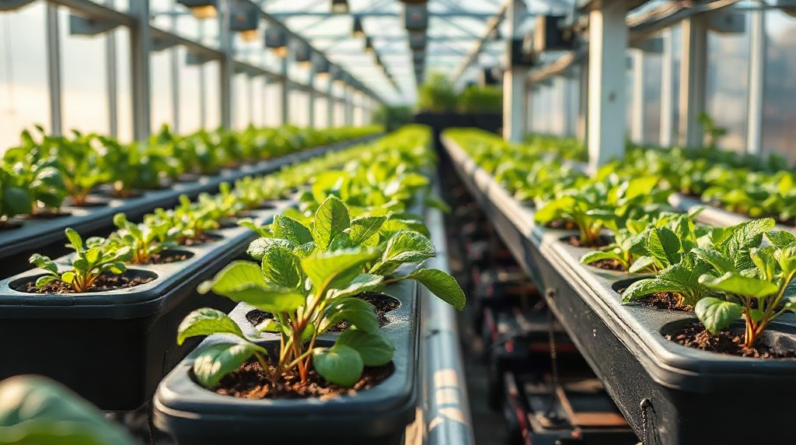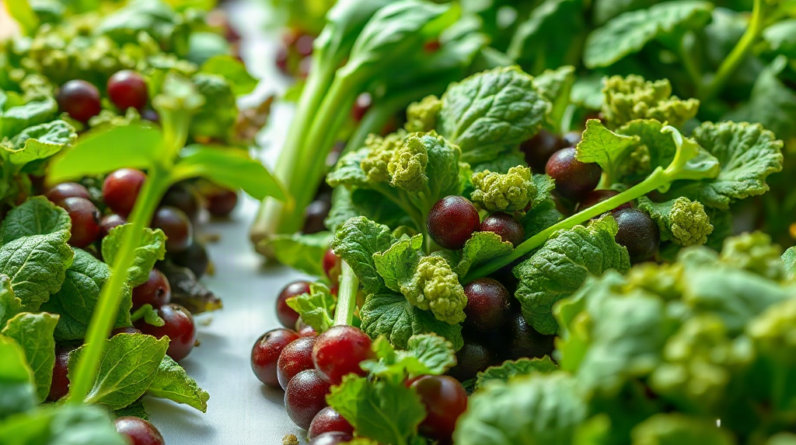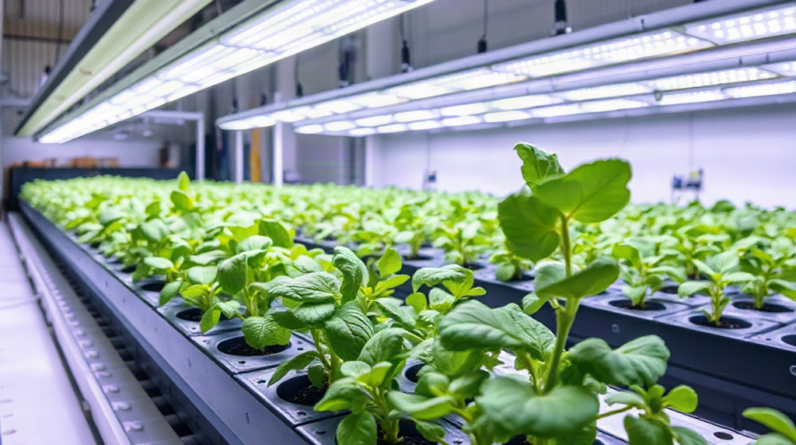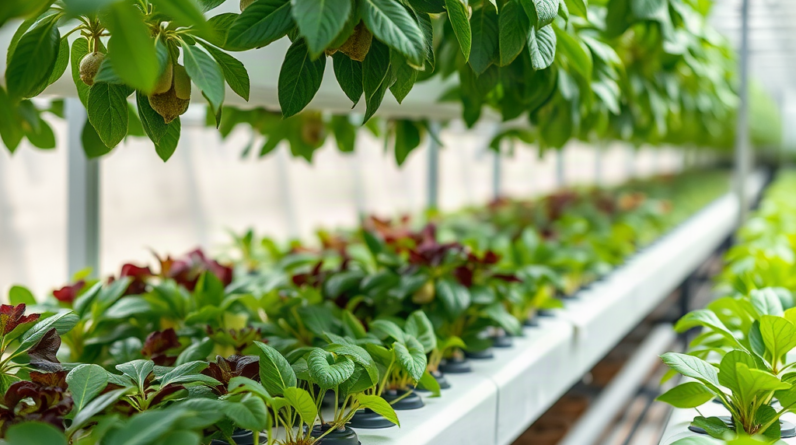
Harvesting hydroponic tomatoes at color break means picking each fruit when its mature-green skin first shows a definite pink, red, orange, or yellow patch, then allowing ripening to continue off the vine. Confirm that the tomato has reached full size, developed a smoother surface and changed from hard green to a slightly softer mature stage before cutting it with a short stem attached. This timing reduces splitting, handling damage, pest exposure, and losses from crowded trusses while preserving normal color and flavor development. Keep picked fruit at moderate room temperature with airflow, inspect it daily, and avoid refrigeration until it has reached the preferred eating color.
What Color Break Looks Like on Hydroponic Tomatoes
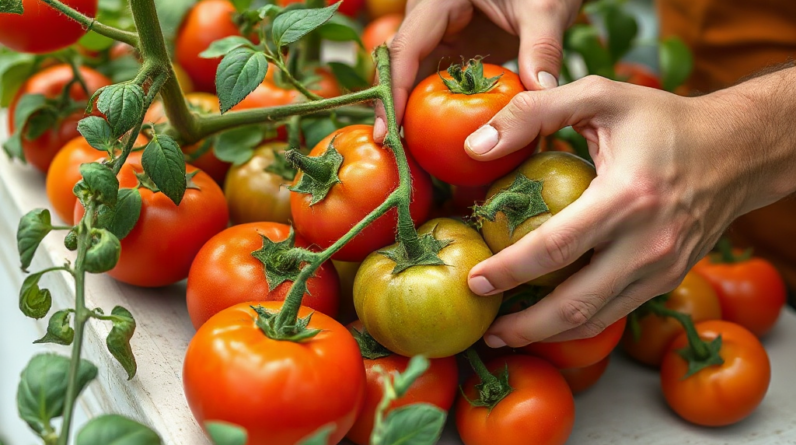
Color break is the first visible departure from mature green on a tomato that has completed enough development to ripen normally after removal. The new color may appear as a small patch near the blossom end, a faint wash across one side, or a narrow band around the fruit. It is not always red. Yellow, orange, pink, purple, and striped cultivars express their characteristic pigments differently, so the useful signal is a definite change from the fruit’s established mature-green color.
The distinction between immature green and mature green matters. An immature tomato may reach a respectable size yet still have a dull, angular, or uneven surface. Its internal seed and gel development may be incomplete, and it can remain pale, rubbery, or poorly flavored after picking. A mature-green fruit generally looks fuller and smoother, with shoulders that have filled out for the cultivar. Its base green may also become lighter before the first colored area appears.
Hydroponic fruit can color unevenly because the truss, leaves, support clips, and neighboring tomatoes alter light exposure and temperature around the skin. A shaded side may remain green while the exposed blossom end changes first. Rotate the fruit only enough to inspect it; do not twist it on the stem merely to obtain a better view. Pressure on a heavy truss can kink the cluster stem or loosen adjacent fruit.
Lighting can also distort judgment. Red or purple grow lights may make a green tomato appear bronzed or pink when it has not actually begun changing. Inspect questionable fruit under neutral white light. A clean white flashlight is useful in dense foliage, but the fruit should be viewed from more than one angle because reflected light from grow-room surfaces can create a false blush.
Different cultivars require different visual baselines. A red slicer normally moves from green toward pink or red, while a dark-fruited cultivar may show a muted rose, brown, or purple cast. Green-when-ripe tomatoes are particularly easy to misread; their color-break signal may be a warmer green or amber tint rather than a dramatic new color. Compare fruit with photographs supplied for the specific cultivar and with fully ripe tomatoes previously harvested from the same plant. The practical objective is not to match a universal color chart but to recognize the first genuine pigment change after full fruit development.
When Color-Break Harvesting Is the Better Choice
Picking at color break is most useful when leaving fruit to become fully ripe on the vine creates a predictable loss or handling problem. Ripe tomatoes soften as their color and aroma develop, making them more vulnerable to cracking, compression, accidental detachment, and damage during plant work. Removing them earlier gives the grower a firmer fruit that is easier to carry, sort, and finish indoors.
Splitting risk is a common reason to advance harvest. Hydroponic plants can take up water rapidly after a warm period, an irrigation interruption, or a sharp change in root-zone conditions. The flesh may expand faster than the skin can accommodate, especially in fruit already close to full ripeness. Picking a sound tomato at color break does not correct irrigation instability, but it shortens the period during which a nearly ripe fruit remains exposed to that pressure. Repeated cracking across a truss should prompt checks of irrigation intervals, emitter output, drainage, root-zone electrical conductivity, and daytime temperature rather than reliance on earlier picking alone.
Color-break harvest also suits fruit that must be transported, shared, sold locally, or stored for several days. A tomato picked for dinner that evening can stay on the vine longer if the plant is healthy and cracking pressure is low. A tomato that will travel in a box is usually easier to protect when picked at the breaker or early turning stage. This is a tradeoff between immediate vine-ripened character and practical durability, not a rule that one stage is universally superior.
Dense indoor canopies introduce another constraint. Reaching past ripe tomatoes to prune, lower vines, clip stems, or inspect emitters can bruise fruit. Harvesting ready tomatoes before maintenance clears working space and reduces the chance that a soft slicer will be squeezed against a support line. On heavily loaded clusters, selective removal can also make the remaining tomatoes easier to inspect without pulling on the truss.
Do not use color-break picking to rescue fruit that has not matured. Harvesting hard, dark-green tomatoes simply because a production date has arrived can produce disappointing texture and weak flavor. Likewise, visible color does not make damaged fruit suitable for storage. Tomatoes with active splitting, leaking tissue, mold, sunken lesions, or a sour odor should be separated immediately rather than placed beside sound fruit. A useful approach to Harvesting hydroponic tomatoes at color break is therefore selective: pick fruit that has genuinely started changing and has a practical reason to leave the vine, while allowing sound fruit to remain longer when immediate eating quality is the priority.
Ripeness Checks Before a Tomato Is Picked
A reliable harvest decision combines color, physical maturity, cultivar expectations, and fruit condition. Color alone is the fastest signal, but it can be misleading under artificial light or on cultivars with unusual pigmentation. Checking several traits takes only a few seconds and prevents immature fruit from being removed because of glare, nutrient-related discoloration, or superficial skin damage.
Begin with fruit size and shape. A candidate should be close to the normal dimensions for its cultivar and position on the truss. Cherry tomatoes may become fully developed while remaining small, whereas beefsteak fruit can look mature long before their shoulders have filled. Compare similar fruit on the same plant rather than comparing a cherry cultivar with a package photograph of a slicer. Shape is particularly useful when nutrient or temperature stress has produced undersized fruit.
Next, inspect the color under white light and look for a true pigment change rather than a bleached patch. Sunscald or intense lamp exposure may create a pale, papery area that lacks the smooth transition associated with ripening. Blossom-end rot usually presents as a dark, sunken lesion at the blossom end, not a healthy pink or yellow wash. Fine surface checking, insect injury, and abrasion can also change how light reflects from the skin without indicating maturity.
Touch should be gentle. At the first color break, a tomato may still feel firm, but it should not feel like a small, undeveloped green fruit. Apply minimal pressure with the pads of the fingers rather than squeezing between finger and thumb. The goal is to detect gross differences, not to force softness. Repeated pressing creates bruises that may become visible only after the fruit ripens.
Use this compact preharvest check:
- Confirm development: The fruit is full-sized and filled out for its cultivar.
- Verify new color: A distinct non-green shade or cultivar-specific warm tint is visible under neutral light.
- Examine the skin: There are no wet cracks, sunken lesions, leaks, or spreading decay.
- Check firmness lightly: The tomato is firm enough to handle but no longer resembles an undeveloped, rock-hard fruit.
- Plan its destination: Pick now for storage or transport, or leave it longer for near-term use if conditions are stable.
Recordkeeping improves decisions when a cultivar is unfamiliar. Note the date of first color, photograph the same stage under white light, and observe how many days the fruit takes to reach the preferred eating color in the actual room. The interval changes with cultivar and temperature, so a fixed calendar promise is less useful than observations from the current crop. If several picked tomatoes stall, shrivel, or never develop normal color, reassess whether they were truly mature and whether the ripening area is too cool, too hot, or excessively dry. That feedback makes subsequent Harvesting hydroponic tomatoes at color break more consistent than relying on color names alone.
Picking and Postharvest Ripening Method
Clean handling protects the quality gained by choosing the correct stage. Harvest when the fruit surface is dry and the work area is cool enough that picked tomatoes will not sit under hot lamps. Wash and dry hands, and clean snips before moving between plants. This is especially valuable when plants have suspicious leaf spots or stem lesions, because tools and hands can move contaminated plant material through the growing area.
Support the tomato in one hand while cutting the small fruit stem with clean snips. Leave a short stem only if it will not puncture neighboring tomatoes during storage. Some cultivars separate readily at the joint when lifted and turned gently, but twisting should not be forced. Pulling against a stubborn pedicel can tear the skin, strip part of the truss, or dislodge another tomato. Large slicers deserve two-handed support so their weight never hangs from a partially cut stem.
Place fruit in a shallow, clean container rather than dropping it into a deep bucket. One or two layers reduce compression, particularly when a harvest includes tomatoes at different stages. Separate cracked or suspect fruit from intact fruit at once. Minor dry cracking may be acceptable for prompt household use after careful inspection, but it reduces storage life; wet, leaking, moldy, or foul-smelling tomatoes should not be ripened with the sound batch.
Allow intact color-break tomatoes to finish at moderate room temperature away from intense light and direct heat. Ripening does not require a sunny windowsill, and strong sunlight can overheat or soften one side. Arrange tomatoes with space for air movement and inspect them daily. If the room is very dry, uncovered fruit may lose water and wrinkle; if it is humid with stagnant air, surface decay can spread unnoticed. A single layer on a clean tray makes changes easier to see than a closed, crowded bag.
An apple or banana is sometimes placed near tomatoes because ripening fruit releases ethylene, but enclosing produce together can also trap moisture and accelerate softening. For tomatoes already at color break, patience and stable room conditions are usually simpler than trying to force the process. If faster ripening is necessary, use a ventilated paper bag, check it at least daily, and remove any fruit showing leakage or decay.
Refrigeration is best reserved for tomatoes that have reached the desired ripeness but cannot be eaten promptly. Cold storage can slow further softening, yet prolonged chilling may dull aroma and alter texture. Let a chilled ripe tomato warm before serving. Unripe color-break fruit should normally remain outside the refrigerator so color, aroma, and softening can progress. Signs that the method is working include even cultivar-appropriate color, a gradual loss of firmness, and clean skin. Deep wrinkles, watery spots, fermented odor, mold, or failure to color signal poor fruit condition, unsuitable storage, or harvest before physiological maturity.
Frequently Asked Questions
What percentage of the tomato must change color before picking?
A small but unmistakable patch is enough if the fruit is full-sized and mature. Confirm the change under white light rather than estimating an exact percentage.
Will a hydroponic tomato develop flavor after color-break harvest?
A physiologically mature tomato continues developing color, softness, and aroma after picking. Immature green fruit may color poorly and cannot be expected to match fruit harvested at a genuine break stage.
Should color-break tomatoes be placed in sunlight?
No. Direct sun is unnecessary and may heat the skin unevenly. Use a shaded room-temperature location with airflow and inspect the fruit each day.
Can cracked tomatoes be ripened with undamaged fruit?
Keep them separate. A dry superficial crack may permit prompt use, but leaking, wet, moldy, or foul-smelling fruit should be discarded rather than stored.
Why did a picked tomato stay hard and green?
It may have been harvested before physiological maturity, or the room may be too cool. Recheck cultivar-specific color signals, full size, surface development, and storage conditions.
Conclusion
Successful color-break harvesting depends on recognizing mature fruit rather than reacting to the first unusual mark on the skin. Judge each tomato by cultivar-appropriate color, full development, sound skin, and its intended use. Earlier removal is particularly practical when cracking, transport, crowded trusses, or greenhouse maintenance threatens fully ripe fruit; leaving it attached longer remains reasonable when conditions are stable and it will be eaten soon.
Inspect candidates under neutral light, support them while cutting, and keep damaged fruit away from the sound harvest. Finish ripening in a shaded, ventilated room-temperature location, checking daily for normal color and gradual softening. Photographing the first-break stage and recording the ripening behavior of each cultivar will make future harvest calls more accurate than a rigid calendar. If losses continue, correct irrigation or environmental instability instead of treating early picking as the sole solution.