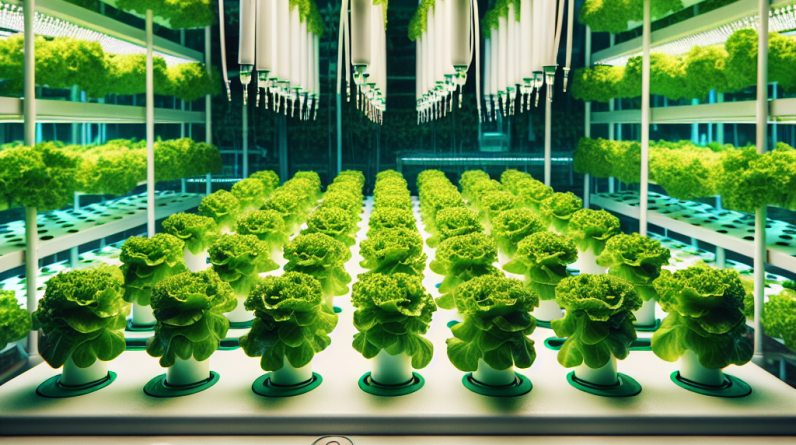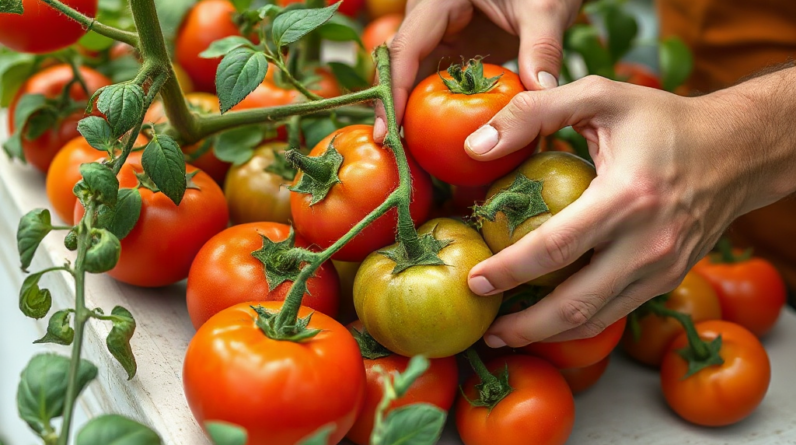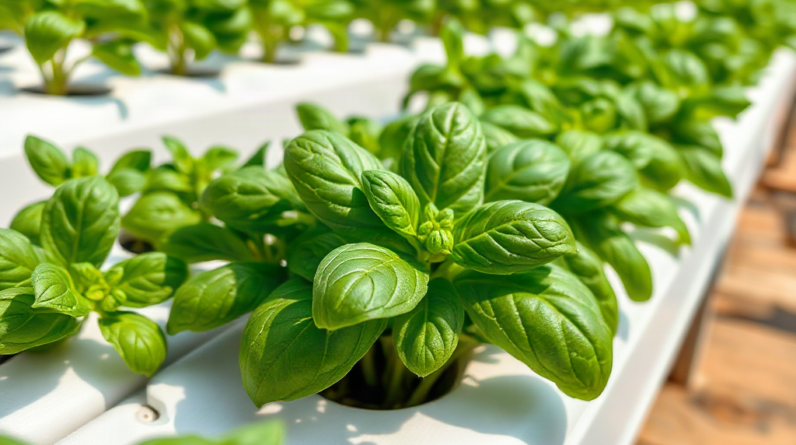
The most profitable hydroponic crops for small growers are usually culinary herbs, specialty leafy greens, microgreens, and compact fruiting crops sold directly to customers who value freshness. Basil and living lettuce combine repeat demand with manageable production, while microgreens generate rapid turnover but require steady seeding, sanitation, and sales. Tomatoes and strawberries can command higher prices, yet their longer cycles, labor demands, and climate-control costs often reduce effective margins. Profit should therefore be ranked by revenue per growing area and week, after accounting for crop losses, packaging, delivery, electricity, and unsold inventory—not by selling price alone.
What Makes a Hydroponic Crop Profitable?
Crop profitability is determined by the interaction of selling price, production time, usable yield, occupied growing area, labor, and the percentage of each harvest that actually sells. A crop priced at a premium can still perform poorly if it remains in the system for months, requires repeated pruning, or produces more than local buyers will accept. Small growers should compare crops using contribution margin per growing area per week rather than price per pound alone.
Consider basil and slicing tomatoes. Tomatoes may have a higher value per plant, but each plant occupies substantial vertical and horizontal space for a long fruiting cycle. It also needs trellising, pruning, pollination support, and close management of temperature and nutrition. Basil can be harvested sooner, planted densely, and sold repeatedly as cut stems, clamshell packs, or living plants. Where restaurants and market customers buy herbs consistently, basil may return usable growing space to production much faster.
Marketable yield matters more than biological yield. Oversized lettuce, split tomatoes, bruised basil, and microgreens held beyond their ideal harvest window may be technically harvestable but commercially weak. Packaging losses and unsold products further separate gross sales from actual profit. A grower selling through a farmers market also needs to include stall fees, travel, selling time, and leftover inventory. Wholesale accounts reduce selling time but generally expect consistent volume, dependable delivery, and a price that leaves them room to resell or use the crop.
Energy use can change the ranking indoors. Lettuce and herbs generally fit compact, multilayer layouts and do not need the intense light or large root zones associated with fruiting plants. A greenhouse may make tomatoes or cucumbers more attractive because sunlight supplies much of the crop’s energy, although heating, ventilation, pest exclusion, and seasonal temperature swings remain material costs.
A useful crop calculation includes seed, growing media, nutrients, water treatment, packaging, direct labor, electricity, delivery, market fees, failed plants, and unsold produce. Divide the resulting contribution by the number of square-foot-weeks or channel-feet occupied. That comparison gives a clearer reading than revenue alone. The broader analysis of Most profitable hydroponic crops for small growers should always be adjusted to the grower’s own sales channel and facility.
The common mistake is building around a crop before verifying demand. A technically excellent harvest has little value without buyers, suitable pack sizes, and a delivery schedule that matches their needs. Ask prospective customers what they currently buy, how often they order, which package formats they prefer, and what quality problems they experience. Treat verbal interest as a lead rather than a guaranteed sale; a small paid trial provides much stronger evidence.
Best Crops for Fast Turnover and Reliable Demand
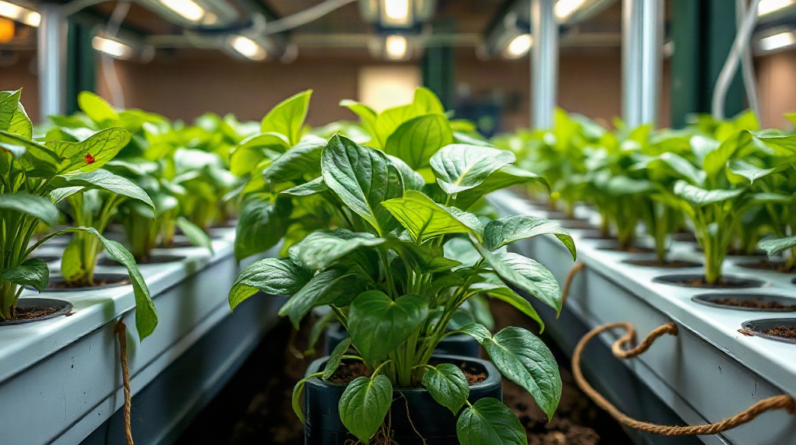
Culinary herbs and leafy greens usually offer the strongest starting point because they pair relatively short production cycles with familiar demand. Basil is especially attractive in warm conditions, where vigorous growth supports whole-plant sales or repeated cuts. Genovese types suit pesto and restaurant use, while Thai basil can fill a valuable niche if local chefs or specialty shoppers already request it. Basil becomes less economical when cold conditions slow growth or when humidity and poor airflow encourage leaf damage.
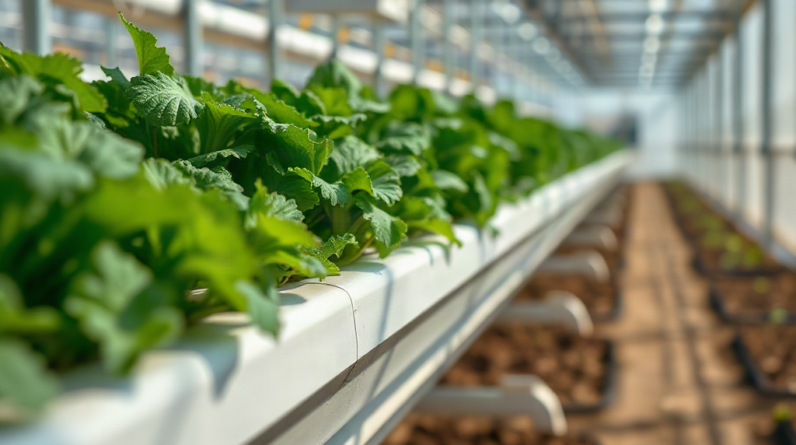
Living lettuce offers a different advantage: the roots remain attached, which can give sellers a clear freshness proposition and reduce handling damage. Butterhead and compact leaf types fit raft, nutrient-film, and other leafy-green systems. Uniform heads simplify harvesting and packaging, but wholesale buyers may impose narrow size expectations. A head that is too small loses value, while holding it longer to gain weight consumes production space and can increase tip burn or bolting risk.
Arugula, baby kale, mustard greens, and specialty salad leaves can earn more than commodity lettuce when sold as a distinctive mix. The challenge is balancing components with different growth rates and postharvest behavior. Fast mustard may overwhelm slower leaves, while tender greens can shorten the mix’s shelf life. Selling components separately or blending only after harvest gives the grower more control over quality and inventory.
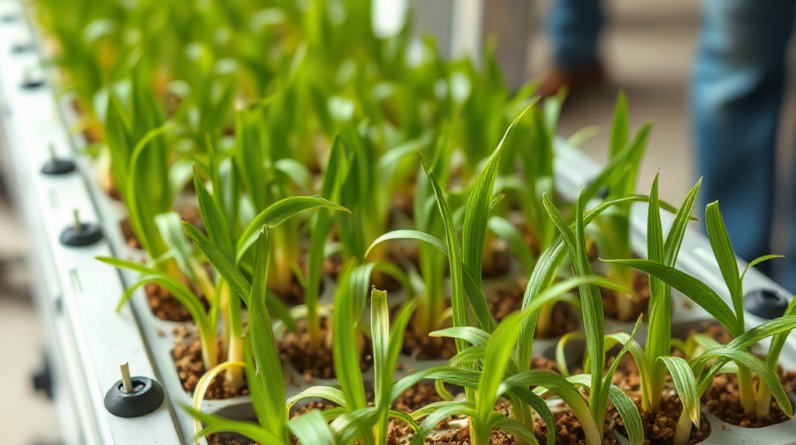
Microgreens can produce rapid revenue from a small footprint, but their apparent simplicity is misleading. Each tray needs seed, substrate, germination space, attentive moisture control, harvesting, and clean packaging. Pea shoots, radish, broccoli, sunflower, and mustard differ substantially in seed cost, harvest labor, texture, and customer demand. Their short cycle magnifies both success and failure: a contaminated or uneven batch can erase the expected advantage quickly.
For a small operation, a practical priority order is:
- Basil: strong value per unit weight and repeat culinary demand, provided warmth and airflow are adequate.
- Living lettuce: predictable production and broad recognition, with margins tied closely to local competition and packaging.
- Specialty salad greens: better differentiation than standard lettuce but more complicated harvest planning.
- Microgreens: exceptional turnover potential where preorders or recurring accounts limit unsold trays.
- Other fresh herbs: cilantro, mint, dill, parsley, and chives can work well when matched to specific buyers, though their growth habits vary.
Signs that a fast-cycle crop is working include stable germination, uniform harvest dates, repeat orders, low trimming losses, and the ability to sell most output within its preferred freshness window. Warning signs include frequent discounts, trays waiting for buyers, inconsistent head size, and harvest labor rising faster than sales. Expand only after several cycles show that production and purchasing patterns are repeatable.
Higher-Value Crops With Greater Production Risk
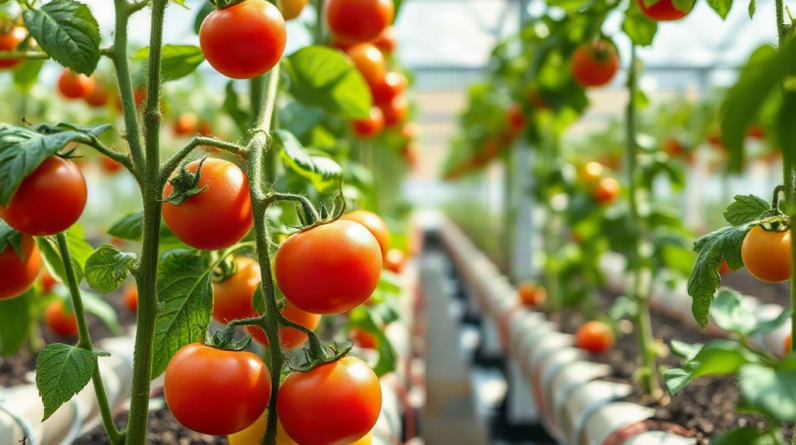
Fruiting crops can produce premium sales, but they should be evaluated as longer-term production commitments rather than automatic profit leaders. Cherry tomatoes are often more suitable for small growers than full-size slicing tomatoes because they can be sold in compact premium packs and may tolerate minor cosmetic variation. Even so, plants require substantial light, trellising, pruning, pollination, root-zone capacity, and months of space occupancy.
Tomato economics improve when a grower has an efficient greenhouse, a distinctive variety, and customers willing to pay for flavor or local freshness. They weaken when the product competes directly with low-priced field or greenhouse tomatoes. Cracking, blossom-end problems, uneven ripening, and excessive vegetative growth can all reduce marketable yield. A high fruit count does not rescue a crop if labor and climate-control costs consume the price premium.
Strawberries attract direct-market customers and suit tabletop systems, but reliable production is demanding. Planting material quality, cultivar choice, flower development, pollination, temperature, humidity, and pest pressure influence the result. Fruit must be harvested and handled gently, and its short selling window leaves little room for uncertain demand. Strawberries can be valuable as a limited seasonal offering or a customer-drawing crop, yet they are rarely the safest foundation for a new indoor business.
Mini cucumbers can yield heavily in protected structures and provide a recognizable product for household or restaurant buyers. Their rapid vine growth also brings continual training, pruning, harvesting, and environmental management. Missed harvests quickly create oversized fruit that may not meet the intended pack specification. Powdery mildew, sap-feeding pests, or heat stress can disrupt output across an interconnected crop canopy.
Edible flowers and unusual herbs can command high unit prices, but the addressable market is narrow. A restaurant may need only a few packs per week, and demand can change with menus or seasons. These crops work better as account-specific additions than as speculative large plantings. Secure expected pack size, delivery frequency, and acceptable varieties before dedicating system capacity.
The correct comparison is not simply leafy greens versus fruiting plants. It is quick turnover and operational simplicity versus larger individual sales and extended risk exposure. A beginner with limited climate control will usually gain more useful production data from lettuce and herbs. An experienced greenhouse grower with established chef accounts may justify cherry tomatoes, cucumbers, or strawberries. Readers comparing Most profitable hydroponic crops for small growers should account for the months during which fruiting plants consume light, labor, and space before generating steady harvests.
A common failure is treating ideal yield projections as saleable output. Model a conservative harvest, include lower-grade fruit, and calculate the cost of replacing an underperforming crop. If modest reductions in price or yield erase the projected margin, the crop is too fragile to occupy most of a small facility.
How to Choose a Profitable Crop Mix
A profitable crop mix begins with confirmed buyers and then works backward to production. List each likely outlet—restaurants, subscriptions, farmers markets, grocers, or direct pickup—and record its preferred products, units, ordering frequency, price range, and quality specifications. Restaurants may favor consistent herb packs and specialty garnishes, while households may respond better to living lettuce, salad mixes, and familiar herbs.
Next, run small batches that are large enough to expose production and sales problems but small enough to discard without threatening the business. Track seed lot, sowing date, germination, transplant date, occupied area, harvest weight or units, pack-out percentage, labor time, input cost, selling price, and unsold quantity. Three attractive harvests are encouraging; repeated performance across changing weather, staff schedules, and customer orders is more meaningful.
Reserve most capacity for dependable products and a smaller share for account-specific or experimental crops. For example, a compact operation might base recurring orders on lettuce and basil, use a limited shelf area for preordered microgreens, and test a small number of specialty herb channels. This structure protects cash flow while still allowing higher-value opportunities to develop. It is safer than filling the facility with a trendy crop and searching for buyers at harvest.
Production scheduling should follow the customer calendar. If lettuce needs to be delivered every Thursday, sowings must be staggered so heads reach specification at the correct time rather than simultaneously. Microgreens are even less forgiving because delayed sales can quickly reduce appearance and texture. Restaurants may also order less during holidays or closures, while market demand may change with weather. Build those interruptions into planting quantities.
Use the following checks before expanding a crop:
- Demand: Do paid repeat orders exist, and are they large enough to justify dedicated space?
- Production: Is marketable yield consistent across several batches rather than one favorable cycle?
- Labor: Can seeding, pruning, harvesting, washing, packing, and delivery fit available work hours?
- Resilience: Is there another buyer or product format for surplus harvest?
- Margin: Does the crop remain worthwhile after losses, packaging, delivery, and energy are included?
Healthy performance appears as predictable weekly output, low rejection, manageable labor per pack, and customers ordering without repeated discounting. Failure appears as continual harvest delays, emergency promotions, variable pack weights, rising disease pressure, or one buyer controlling most revenue. Those signals call for reduced planting, process correction, or a different sales channel—not automatic expansion.
The strongest small-grower portfolio is rarely the one with the longest crop list. Each additional crop creates new seed inventory, environmental requirements, harvest standards, and sales work. A focused set of compatible products makes scheduling and quality control easier. Use records from the first trial cycles to refine the decision, then revisit the economics whenever energy prices, packaging costs, market demand, or growing conditions change.
Frequently Asked Questions
What is the easiest profitable hydroponic crop for a beginner?
Living lettuce is often a practical first commercial crop because its growth habit, harvest unit, and customer use are straightforward. Profit still requires consistent head size, controlled losses, and a local price that covers packaging and delivery.
Are microgreens more profitable than lettuce?
Microgreens can earn more per unit of shelf space and turn over faster, but seed, tray handling, harvesting labor, sanitation, and unsold batches can narrow the advantage. Preorders make their economics much stronger.
Can a small grower make money with hydroponic tomatoes?
Yes, especially with flavorful cherry varieties sold directly at premium prices. Tomatoes become harder to justify when artificial lighting, heating, pruning labor, long crop occupancy, and competition from conventional produce are fully counted.
How should crop profitability be calculated?
Subtract seeds, media, nutrients, packaging, energy, direct labor, selling costs, delivery, losses, and unsold inventory from crop revenue. Compare the remainder by growing area and production week so crops with different cycles can be judged fairly.
How many crops should a new hydroponic business sell?
Begin with a small compatible range, such as lettuce, basil, and one preordered specialty crop. Add products only when recurring demand and production records show that the added complexity will produce worthwhile margin.
Conclusion
Small growers should prioritize repeat purchases, usable yield, rapid space turnover, and manageable labor before chasing the highest advertised selling price. Lettuce and basil often provide a dependable operating base, while microgreens can add fast revenue when they are tied to preorders. Tomatoes, strawberries, cucumbers, and niche garnishes deserve smaller trials until their longer cycles and narrower markets prove worthwhile.
The next step is to interview likely buyers, choose two or three compatible products, and record the full cost and marketable output of several trial batches. Expand the crop that sells repeatedly without creating labor bottlenecks or persistent waste. Reduce any planting that depends on discounting, optimistic yield assumptions, or a single uncertain customer. Profit emerges from matching disciplined production to verified demand, not from choosing a crop solely because it carries a premium price.