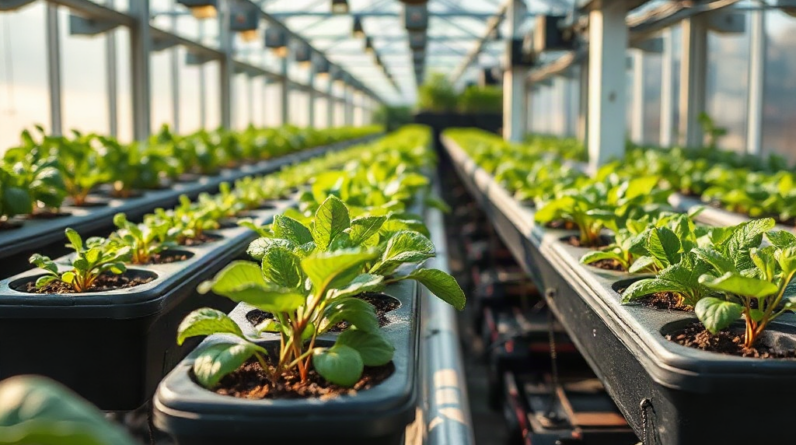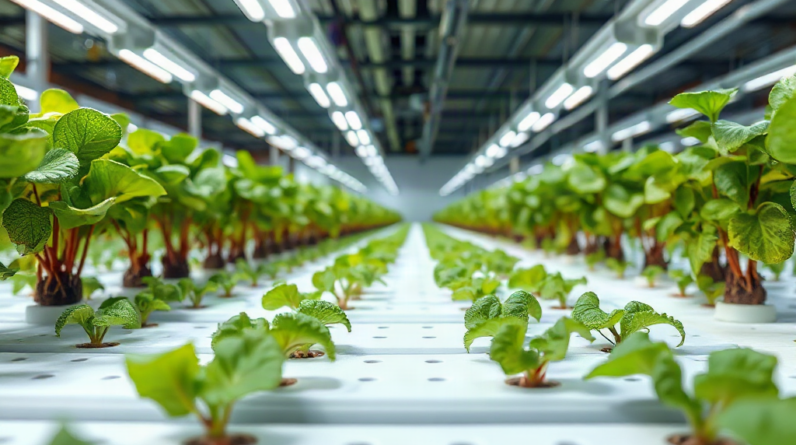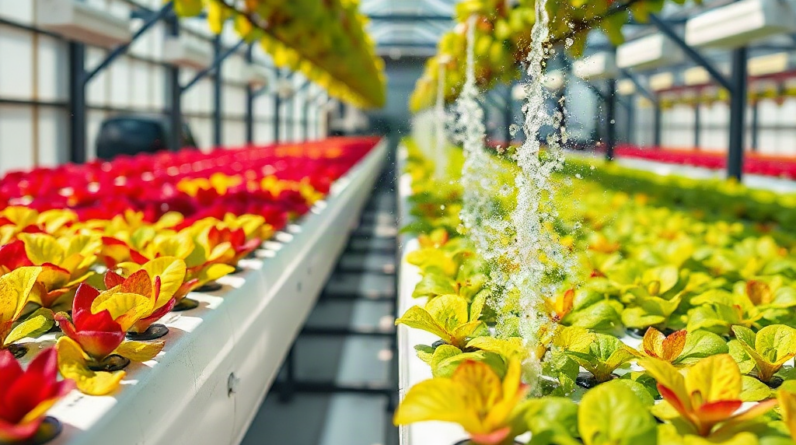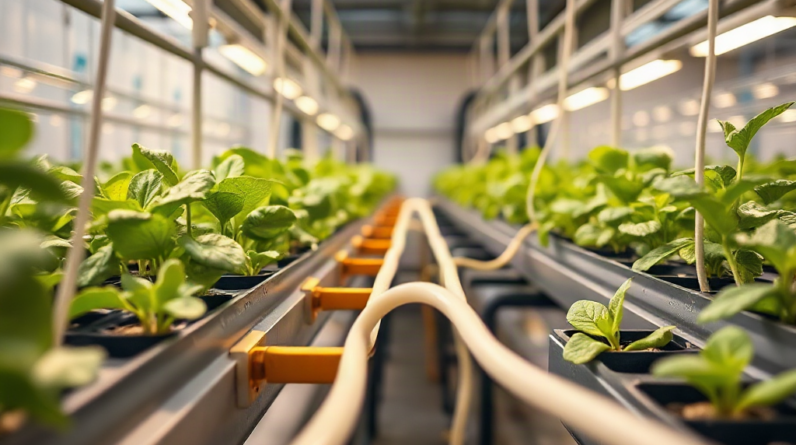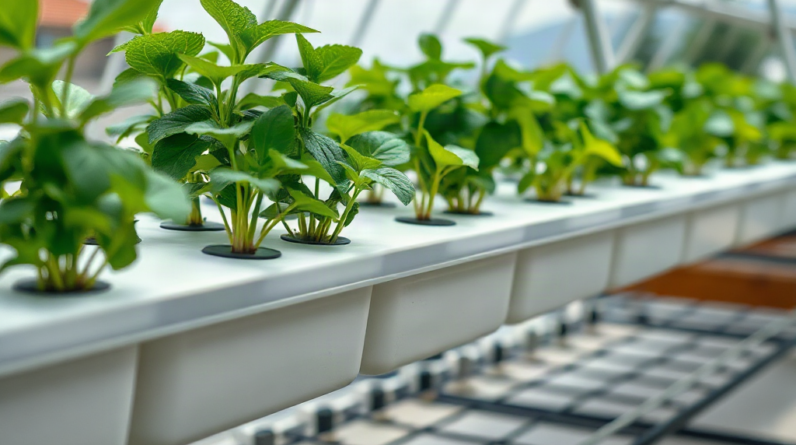
Aquaponics and hydroponics represent two innovative methods of sustainable food production that leverage the principles of symbiosis and efficiency. In aquaponics, fish waste serves as a nutrient source for plants, while hydroponics relies solely on nutrient solutions to grow plants without soil. Both systems can be highly productive and environmentally friendly, addressing the growing demand for food in urban areas.
Understanding the differences and similarities between these systems is vital for anyone looking to implement a sustainable gardening technique. Aquaponics combines aquaculture with hydroponics, creating a closed-loop system that conserves water and maximizes output. Conversely, hydroponics focuses exclusively on plant growth, requiring careful management of nutrient solutions and environmental conditions. When deciding between these methods, consider factors such as space, resources, and desired crops.
Understanding Aquaponics
Aquaponics is a sustainable farming method that combines aquaculture (raising fish) and hydroponics (growing plants in water). The fish produce waste, which is converted into nutrients for the plants, creating a self-sustaining ecosystem. This method can produce both fish and vegetables, making it an efficient solution for food production.
One common mistake in aquaponics is neglecting the balance of the ecosystem. Maintaining the right pH levels, monitoring ammonia, and ensuring proper fish stocking density are crucial for success. Additionally, selecting compatible fish and plant species can significantly impact productivity and health in the system.
Understanding Hydroponics
Hydroponics is a method of growing plants without soil, using nutrient-rich water solutions instead. This technique allows for greater control over plant growth conditions, leading to faster growth rates and higher yields. Various hydroponic systems, such as nutrient film technique (NFT) or deep water culture (DWC), offer different benefits depending on the crop type and available resources.
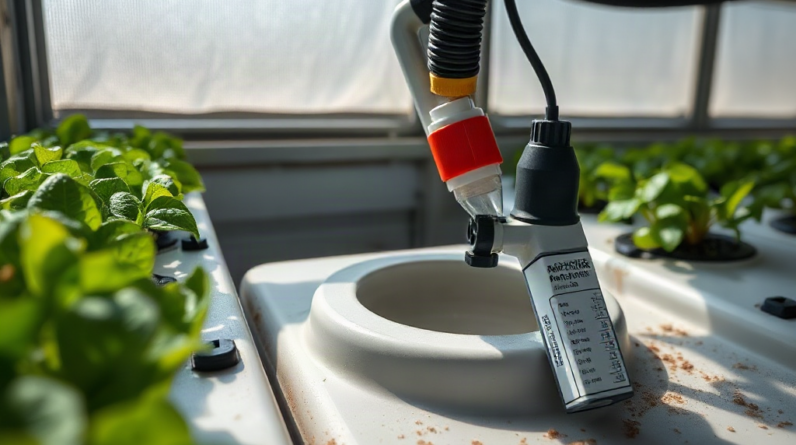
One challenge in hydroponics is managing nutrient levels and ensuring plants receive the correct balance of minerals. Over-fertilization can lead to nutrient burn, while under-fertilization can stunt plant growth. Regular testing and adjustments to the nutrient solution are essential to maintain healthy plants.
Comparative Benefits
Both aquaponics and hydroponics offer unique advantages. Aquaponics provides a dual source of food—fish and vegetables—while utilizing a natural waste recycling system. Hydroponics, on the other hand, allows for precise control over nutrient delivery and can be more straightforward to set up initially.
When choosing between the two, consider your goals. If you aim to produce both fish and plants, aquaponics may be the ideal choice. However, if you prefer fast-growing plants and easier management, hydroponics could be more suitable. Each system has its own set of challenges and rewards, so understanding these factors is crucial.
Implementation Steps
To successfully implement either aquaponics or hydroponics, start by assessing your available space and resources. For aquaponics, select a suitable fish species and compatible plants. For hydroponics, determine the best nutrient solution and growth medium. Setting up the system will require careful planning, including water circulation, lighting, and environmental control.
Regular maintenance is crucial for both systems. Monitor water quality, nutrient levels, and plant health to ensure a thriving ecosystem. Be prepared to make adjustments as needed and stay informed about best practices for sustainable gardening.
Further Reading
Authoritative Sources
- Aquaponics Association
aquaponicsassociation.orgThis resource offers comprehensive information on aquaponics, including best practices, research, and community support
- Hydroponics.com
hydroponics.comA valuable site for hydroponic gardening resources, including techniques, equipment, and expert advice
- FAO – Food and Agriculture Organization
fao.orgThe FAO provides extensive research and guidelines on sustainable agriculture, including aquaponics and hydroponics
Frequently Asked Questions
What is the main difference between aquaponics and hydroponics?
Aquaponics combines fish farming with plant cultivation, using fish waste as nutrient sources. Hydroponics focuses solely on growing plants in nutrient-rich water.
Can you grow any plants in aquaponics?
While many plants can thrive in aquaponics, leafy greens and herbs are typically the best choices due to their compatibility with fish systems.
Is aquaponics more sustainable than hydroponics?
Aquaponics can be considered more sustainable as it produces both fish and plants while recycling water and nutrients, but both systems can be sustainable when managed properly.
How much space do I need for an aquaponics system?
The space required varies based on the scale of the system, but even small setups can be effective, making it suitable for urban environments.
What are common mistakes in hydroponics?
Common mistakes include neglecting nutrient balance, poor water quality management, and inadequate light conditions, which can hinder plant growth.