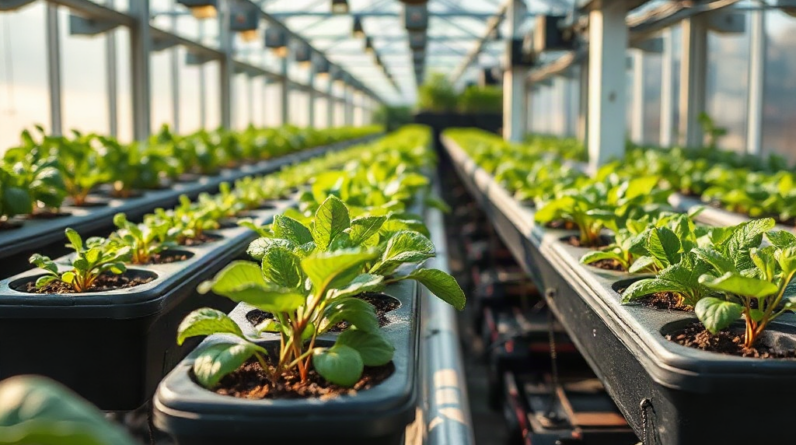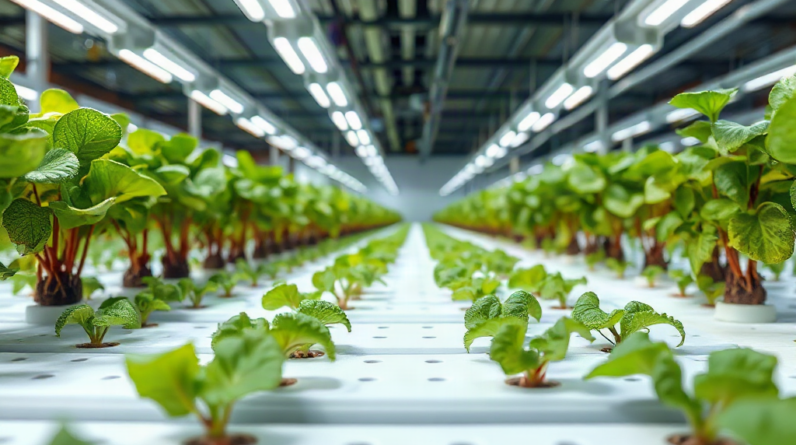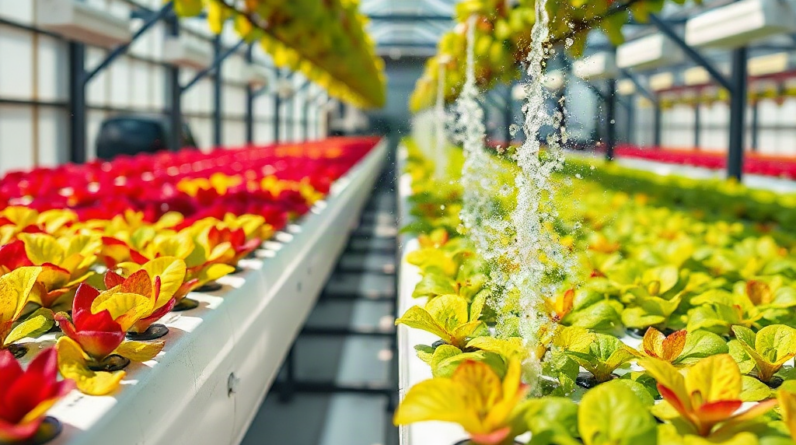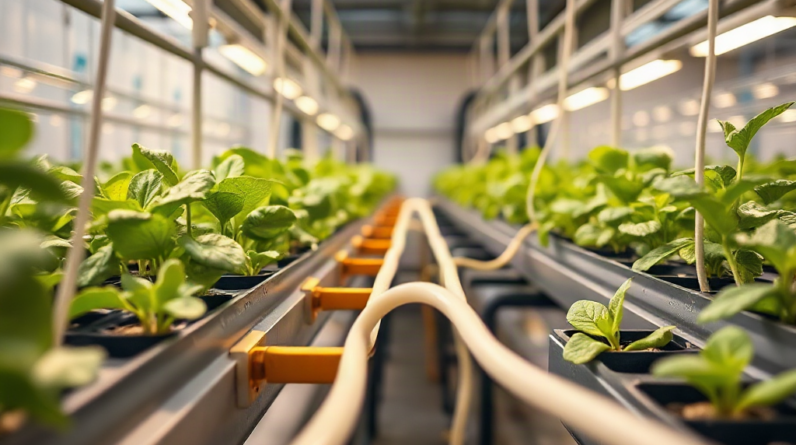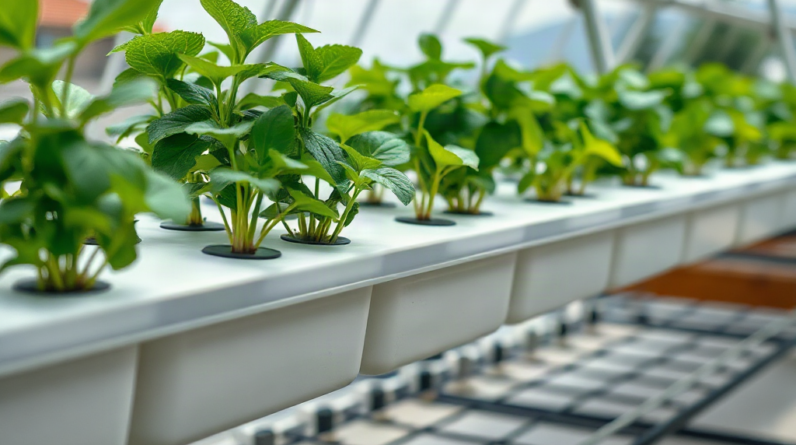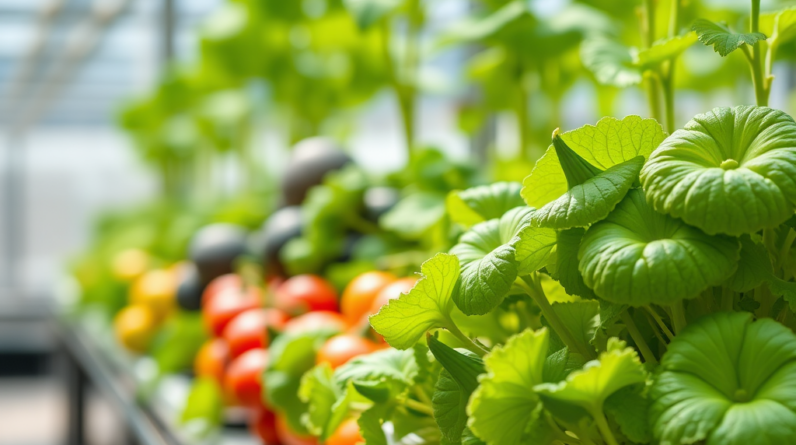
Beginner hydroponic vegetables that are ideal for new growers include leafy greens like lettuce and spinach, as well as herbs such as basil and cilantro. These plants are favored for their rapid growth rates and minimal nutrient requirements, making them perfect for those just starting out. For instance, lettuce can be harvested in as little as 30 days, providing quick satisfaction. It's crucial to monitor light exposure and nutrient levels closely to prevent issues like nutrient burn or inadequate growth. Starting with these easy-to-manage crops can lead to a successful and enjoyable hydroponic gardening experience.
Choosing the Right Hydroponic System
When starting with beginner hydroponic vegetables, selecting the right hydroponic system is crucial for success. Options include Deep Water Culture (DWC), Nutrient Film Technique (NFT), and Ebb and Flow systems, each offering unique advantages. For beginners, DWC is often recommended due to its simplicity and effectiveness. DWC systems allow plants to grow directly in nutrient-rich water, which helps ensure rapid growth and minimizes the need for complex setups.
Understanding the mechanisms of these systems is important. For instance, in a DWC setup, roots are submerged in water with oxygen bubbles, promoting healthy growth. However, beginners must also consider factors such as space, budget, and maintenance requirements when choosing a system. A compact, easy-to-manage system can help avoid overwhelm and lead to a more enjoyable gardening experience.
Ideal Vegetables for Beginners
Beginner hydroponic vegetables should be chosen based on their growth rate, nutrient needs, and adaptability to hydroponic systems. Leafy greens such as lettuce and spinach are excellent starting points due to their fast growth and low nutrient demands. Herbs like basil and cilantro also perform well, providing flavorful additions to meals.
For example, lettuce can grow from seed to harvest in as little as 30 days, making it a gratifying choice for new growers. Additionally, these plants typically require less light than fruiting vegetables, which can simplify the setup. However, it’s essential to monitor light exposure and nutrient levels closely to avoid common pitfalls, such as nutrient deficiencies or overexposure to light.
Nutrient Management in Hydroponics
Nutrient management is critical when growing beginner hydroponic vegetables. Hydroponic plants rely on nutrient solutions instead of soil, so understanding the nutrient composition and how to maintain the right balance is vital. Key elements include nitrogen, phosphorus, potassium, calcium, magnesium, and trace minerals.
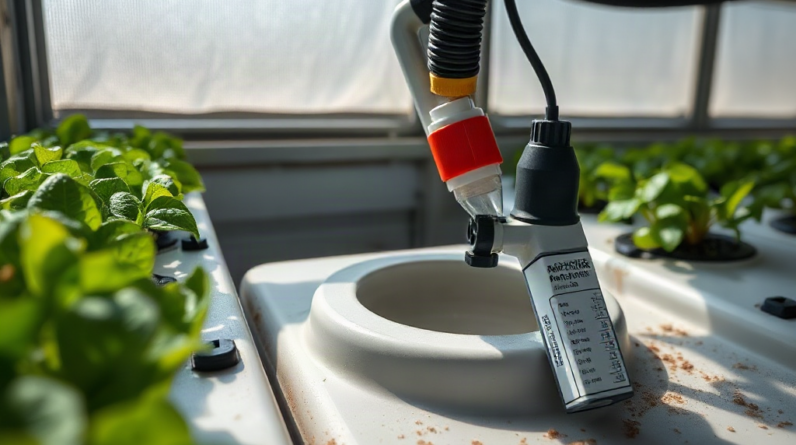
Using a pre-mixed nutrient solution can simplify this process for beginners. Many brands offer formulations tailored for leafy greens or herbs, which can help avoid confusion. Regularly testing the pH and electrical conductivity (EC) of the solution is important to ensure that plants receive adequate nutrients. A pH level between 5.5 and 6.5 is typically ideal for hydroponic vegetables. Failure to maintain proper nutrient levels can lead to poor growth or even plant death.
Common Mistakes to Avoid
Beginners often encounter several common mistakes when starting with hydroponic vegetables. One significant error is neglecting to monitor water levels and nutrient concentrations, which can lead to nutrient burn or deficiencies. Regular testing is essential to ensure plants thrive.
Another frequent mistake is overcrowding plants in the system. Each vegetable has specific spacing requirements to ensure proper air circulation and light exposure. For example, lettuce plants should be spaced at least 6-12 inches apart to prevent competition for nutrients and light. Learning to recognize signs of stress or nutrient issues, such as yellowing leaves or stunted growth, will help beginners make timely adjustments to their systems.
Frequently Asked Questions
What vegetables are easiest to grow hydroponically?
Lettuce, spinach, and herbs like basil are among the easiest vegetables to grow hydroponically due to their fast growth and low nutrient needs.
How often should I change the water in my hydroponic system?
It's recommended to change the water every two weeks to maintain optimal nutrient levels and prevent algae growth.
Do hydroponic vegetables taste different from soil-grown vegetables?
Hydroponic vegetables can taste just as good as or even better than soil-grown vegetables, often due to the controlled nutrient environment.
Can I use regular fertilizer in my hydroponic system?
No, regular fertilizers contain soil-based compounds that can harm plants in hydroponic systems. Use specially formulated hydroponic nutrients instead.
What is the ideal pH level for hydroponic vegetables?
The ideal pH level for growing hydroponic vegetables is between 5.5 and 6.5 for optimal nutrient absorption.
Further Reading
Authoritative Sources
- Hydroponics.org
hydroponics.orgA comprehensive resource for hydroponic gardening techniques and best practices
- National Extension Association of Family and Consumer Sciences
extension.orgOffers research-based information on hydroponic vegetables and gardening methods
- Gardening Know How
gardeningknowhow.comProvides practical advice on growing hydroponic vegetables successfully
Conclusion
Growing beginner hydroponic vegetables can be a rewarding experience that offers quick results and flavorful produce. By selecting the right system and vegetables, managing nutrients effectively, and avoiding common mistakes, new growers can set themselves up for success. Start with easy-to-grow plants like lettuce and herbs, monitor their needs closely, and enjoy the benefits of hydroponic gardening.