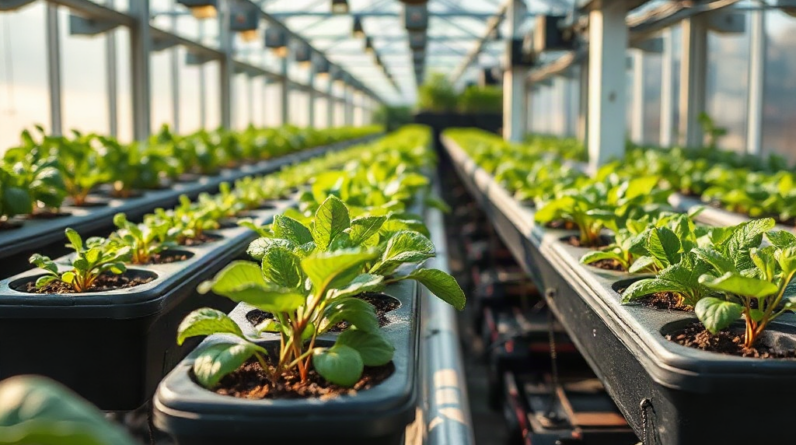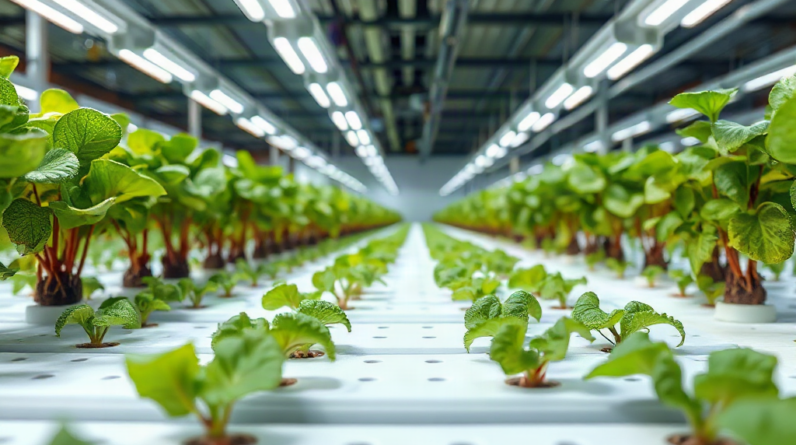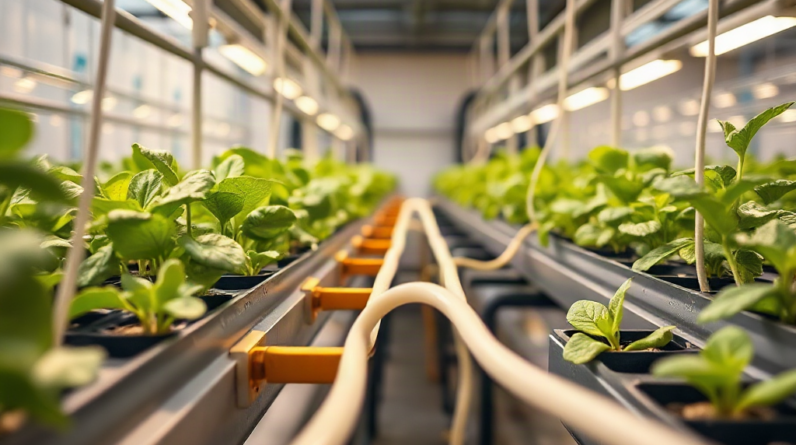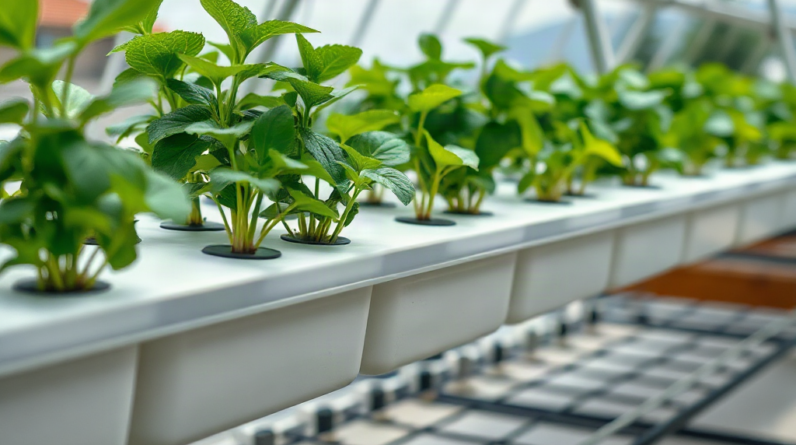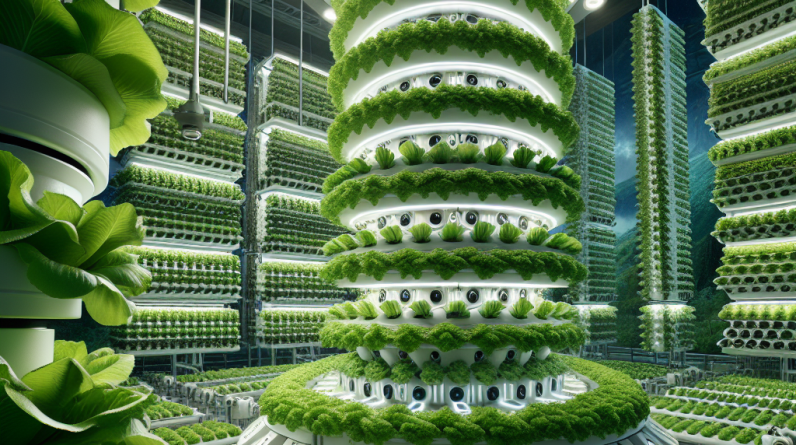
The best indoor hydroponic system is one that suits your specific gardening needs and available space. For efficient home gardening, consider systems like Deep Water Culture (DWC) for fast-growing leafy greens or Nutrient Film Technique (NFT) for minimal water usage in compact areas. Beginners may find Ebb and Flow systems easier to manage due to their simplicity. It's essential to monitor pH levels and nutrient concentrations to optimize plant health and growth. Tailoring your choice to the types of plants you want to grow will enhance your indoor gardening experience and yield.
Understanding Hydroponic System Types
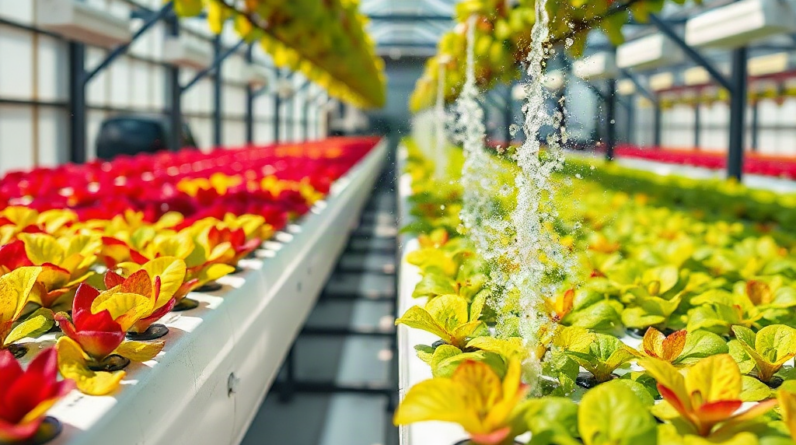
When selecting the best indoor hydroponic system, it’s crucial to understand the various types available. Systems such as Deep Water Culture (DWC), Nutrient Film Technique (NFT), and Ebb and Flow (Flood and Drain) each have their unique advantages and challenges. DWC, for example, is particularly efficient for leafy greens and herbs, providing high oxygenation to plant roots, leading to faster growth. In contrast, NFT minimizes water use by allowing nutrient solutions to flow over the roots in a thin film, making it ideal for smaller spaces.
Choosing the right system depends on factors such as the types of plants you wish to grow, the space available, and your level of experience. Beginners might find Ebb and Flow systems easier to manage due to their straightforward operation, while more advanced growers may prefer the efficiency of NFT or DWC systems.
Key Benefits of Indoor Hydroponic Systems
Indoor hydroponic systems offer numerous advantages, including space efficiency, faster growth rates, and reduced water usage. By growing plants without soil, you eliminate many pests and diseases associated with traditional gardening, resulting in healthier plants. Additionally, hydroponics allows for year-round gardening, enabling you to cultivate fresh produce regardless of the season.
Another significant benefit is the ability to control environmental factors such as light, temperature, and humidity, leading to optimized growth conditions. This control can enhance crop yields and improve the quality of your produce. For example, using LED grow lights can mimic sunlight, promoting photosynthesis even in low-light conditions.
Setup Considerations for Home Hydroponics
Setting up an indoor hydroponic system requires careful planning. First, assess the space available for your system, ensuring proper ventilation and access to electricity for lighting and pumps. Additionally, consider the types of plants you want to grow, as different systems may be better suited for specific crops.
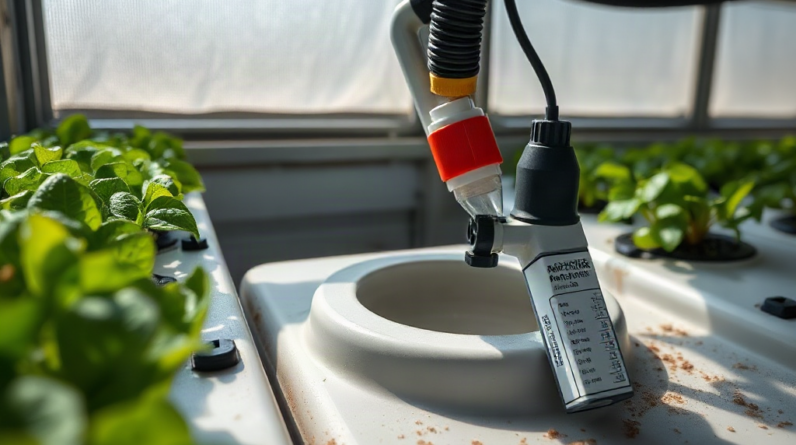
Water quality is another critical factor. Using distilled or filtered water can prevent issues related to chlorine and other contaminants that may inhibit plant growth. Furthermore, monitoring pH levels and nutrient concentrations is essential for maintaining healthy plants. A pH range of 5.5 to 6.5 is generally ideal for most hydroponic crops.
Common Mistakes to Avoid
One common mistake among novice hydroponic gardeners is neglecting to monitor nutrient levels and pH balance regularly. This oversight can lead to nutrient deficiencies or toxicities, resulting in poor plant health. Additionally, many beginners underestimate the importance of proper lighting, often using inadequate light sources that hinder plant growth.
Another frequent pitfall is overcrowding plants within the system. Each plant requires adequate space for root development and airflow, so it’s crucial to follow recommended spacing guidelines. Overcrowded systems can lead to competition for nutrients and increased susceptibility to diseases.
Maintaining Your Hydroponic System
Regular maintenance is vital to the success of your indoor hydroponic system. This includes cleaning reservoirs and tubing to prevent algae growth and ensuring that pumps and filters are functioning correctly. Regularly checking pH levels and nutrient concentrations will help you adjust the solution as needed, keeping plants healthy.
Additionally, be vigilant about pest control, even in a soil-less environment. Regular inspections can help you catch infestations early, allowing you to take appropriate action before they compromise your plants. Integrated Pest Management (IPM) strategies can be effective in managing pests without resorting to harsh chemicals.
Frequently Asked Questions
What is the best hydroponic system for beginners?
The Ebb and Flow system is often recommended for beginners due to its simplicity and ease of use.
How often should I change the water in my hydroponic system?
Water should be changed every two weeks to maintain nutrient balance and prevent algae growth.
Do I need special lights for indoor hydroponics?
Yes, LED grow lights or fluorescent lights are typically used to provide adequate light for plant growth indoors.
Can I grow any plant in a hydroponic system?
Most leafy greens and herbs thrive in hydroponic systems, while larger fruiting plants may require more space and support.
What nutrients do I need for hydroponic gardening?
Hydroponic nutrients typically include nitrogen, phosphorus, potassium, calcium, magnesium, and trace minerals.
Further Reading
Authoritative Sources
- USDA – Hydroponics and Indoor Gardening
usda.govThis resource provides comprehensive information on hydroponics, including best practices and research findings.
- National Extension – Hydroponic Gardening
extension.orgOffers guidelines and resources for successful hydroponic gardening at home.
Further Reading
Authoritative Sources
- USDA National Institute of Food and Agriculture
nifa.usda.govResearch and extension resources related to agriculture, plants, soil, and food systems
- Extension Foundation Gardening Resources
extension.orgUniversity extension education resources for practical gardening and home agriculture topics
- USDA Natural Resources Conservation Service
nrcs.usda.govSoil, water, conservation, and land management resources for practical growing decisions
Conclusion
Choosing the best indoor hydroponic system involves understanding the various types available, their benefits, and the considerations for successful setup and maintenance. Prioritize monitoring nutrient levels and pH balance to avoid common pitfalls, and ensure your system is appropriately sized for your plants. With proper care and attention, you can enjoy a thriving indoor garden year-round.