
Hydroponic System Backup Plans During Power Outages — Runtime, Aeration, and Recovery Steps
Hydroponic system backup plans during power outages should preserve root-zone oxygen first, maintain essential water circulation second, and restore normal operation without shocking the plants. Size a battery, uninterruptible power supply, or generator from measured pump wattage and required runtime rather than the equipment’s advertised maximum capacity.
Read More »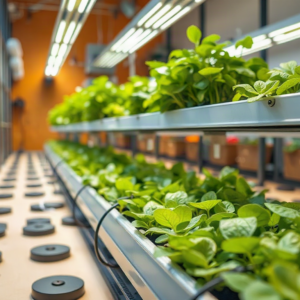
Hydroponic System Noise Reduction for Indoor Rooms — Pumps, Vibration, and Water Flow Fixes
Explore hydroponic system noise reduction for indoor rooms through whether noise comes from air, considering the conditions that change the outcome.
Read More »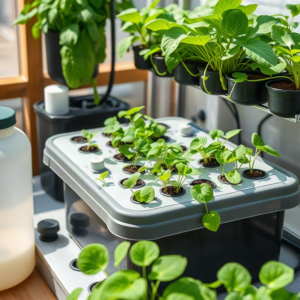
Homemade Hydroponic System Materials and Layout — A Build Checklist for Reliable Flow
A dependable homemade hydroponic system combines opaque, water-safe materials with a layout that provides predictable nutrient flow, root oxygen, drainage, and easy maintenance. Use a covered reservoir, inert plant supports, accessible tubing, a correctly sized pump where circulation is required, and enough return slope to prevent stagnant pockets.
Read More »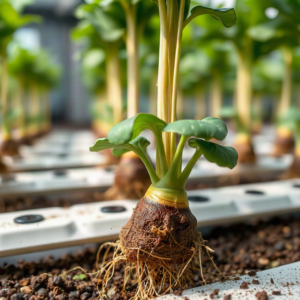
How to Troubleshoot Root Issues in Hydroponic Systems With a Symptom-to-Cause Checklist
Troubleshoot root issues in hydroponic systems by inspecting root color, texture, smell, and distribution before checking reservoir temperature, dissolved oxygen, pH, electrical conductivity, flow, and irrigation timing. Healthy roots are generally firm and pale, although nutrients can stain them; slippery tissue, easy breakage, or a sour odor is more concerning than color alone.
Read More »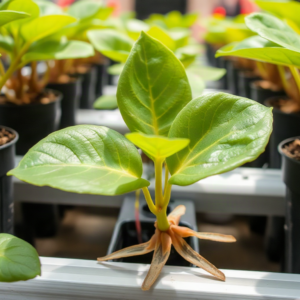
Assessing Plant Health in Hydroponic Systems Through Leaves, Roots, and Reservoir Trends
Assess plant health in hydroponic systems by comparing leaf appearance, new growth, root condition, and reservoir readings over time rather than judging one symptom alone. Inspect whether new leaves are correctly shaped and evenly colored, confirm that roots are firm and pale rather than slimy or foul-smelling, and record pH…
Read More »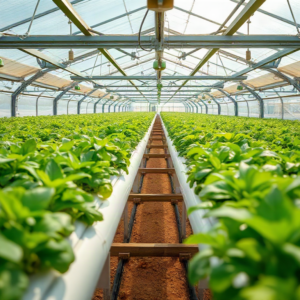
Kratky Versus Active Hydroponic Systems: Costs, Crop Fit, and Failure Risks
Kratky versus active hydroponic systems is primarily a choice between passive simplicity and powered control over nutrient circulation, root oxygen, and reservoir conditions. Kratky growing suits short-cycle leafy crops when low cost, silence, and minimal equipment matter, but its fixed reservoir offers limited correction capacity as water levels and nutrient strength change.
Read More »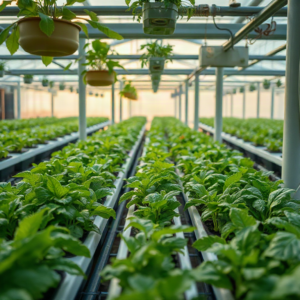
Evaluating the Effectiveness of Hydroponic Systems: Performance Measures and Testing Methods
Evaluate the effectiveness of hydroponic systems by tracking crop output, plant quality, resource use, operating stability, and total production cost across complete growing cycles. Record marketable yield, crop time, water and fertilizer consumption, energy use, labor, pH, electrical conductivity, solution temperature, and equipment failures under consistent conditions.
Read More »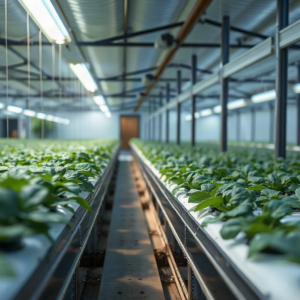
Managing Hydroponic Systems in Extreme Weather Without Crop Loss: A Response Plan
Manage hydroponic systems in extreme weather by stabilizing the nutrient solution first, then protecting power, airflow, irrigation delivery, and exposed equipment according to the forecast hazard. During heat, shade reservoirs, increase aeration, and reduce radiant heat without abruptly changing nutrient strength; during freezes, insulate plumbing and maintain safe root-zone temperatures.
Read More »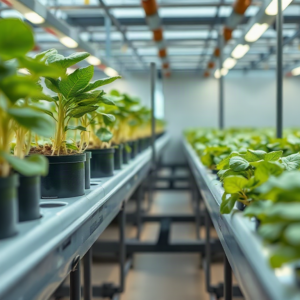
How to Manage Water Quality in Closed Hydroponic Systems: Monitoring, Correction, and Reset Triggers
Manage water quality in closed hydroponic systems by measuring pH, electrical conductivity, solution temperature, water level, and root condition on a consistent schedule, then correcting changes gradually rather than chasing individual readings. Replenish consumed water before interpreting conductivity, because evaporation can concentrate salts without indicating that plants need more fertilizer.
Read More »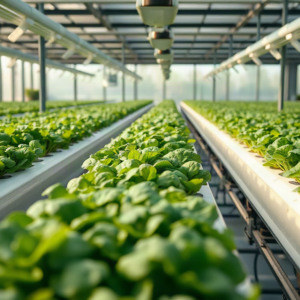
How To Select The Right Hydroponic System For Greens: A Crop-Focused Decision Checklist
Select a hydroponic system for greens by matching the crop’s shallow roots and short harvest cycle to available space, maintenance time, budget, and desired planting density. Deep water culture suits beginners who can monitor aeration and water temperature, while nutrient film technique uses less solution and fits repeat harvests when channels remain level and clean.
Read More »