
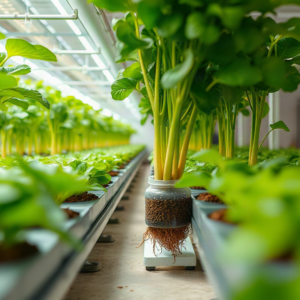
How To Optimize Growth Rates In Hydroponic Systems: Light, Climate, And Root-Zone Steps
How to optimize growth rates in hydroponic systems depends on matching light intensity, climate, root-zone oxygen, and crop-specific nutrition rather than simply adding fertilizer. Measure pH and electrical conductivity consistently, keep the solution temperature stable, and verify that roots receive enough oxygen through appropriate aeration or flow.
Read More »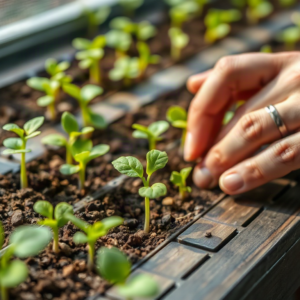
How To Improve Water Retention In Hydroponic Systems With Better Reservoir, Media, And Root-Zone Control
How to improve water retention in hydroponic systems starts with matching the reservoir, growing medium, irrigation cycle, and root-zone airflow to the crop’s actual demand. Use a covered, correctly sized reservoir, choose media that holds moisture without staying saturated, and adjust pump timing after checking runoff, reservoir level, temperature, and plant weight.
Read More »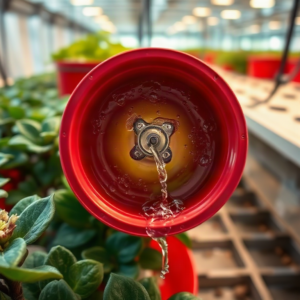
Hydroponic System Insurance And Water Damage: Coverage Gaps, Claims Steps, And Prevention
Hydroponic system insurance and water damage coverage usually depends on the policy’s definitions of covered equipment, sudden leaks, business property, and gradual damage. A burst supply line may be treated differently from an overflowing reservoir caused by poor maintenance, while crop loss, nutrient solution, flooring, and neighboring-unit damage may fall under separate limits or exclusions.
Read More »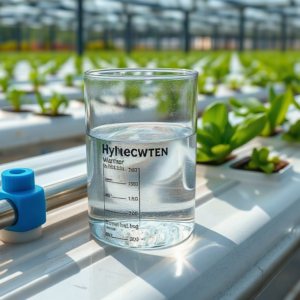
Recovering Usable Water From Hydroponic Systems With Filtration, Testing, And Safe Reuse
Recovering usable water from hydroponic systems means collecting runoff or drained solution, removing debris, testing its chemistry, and deciding whether it is suitable for plants, cleaning, or non-potable irrigation. The main limits are accumulated salts, changing nutrient ratios, root-zone pathogens, and contaminants introduced by dirty equipment or crop treatments.
Read More »
Food-Grade Materials For Hydroponic Systems: Plastics, Metals, Sealants, And Safe Selection
Food-grade materials for hydroponic systems should be chemically stable, easy to sanitize, nonporous, and suitable for continuous contact with nutrient solution. Common choices include opaque HDPE, polypropylene, PVC or CPVC rated for the intended use, stainless steel, silicone tubing, and certified food-contact gaskets.
Read More »
Choosing a Hydroponic System for Rental Housing With Quiet Care, Small Footprints, and Easy Removal
Choosing a Hydroponic System for Rental Housing With Quiet Care, Small Footprints, and Easy Removal
Read More »
Resetting a Hydroponic System Between Crops Without Carrying Problems Forward
Resetting a hydroponic system between crops means removing plant residue, draining the old nutrient solution, scrubbing deposits, sanitizing compatible surfaces, rinsing thoroughly, and checking pumps, tubing, roots, and leaks before replanting. The reset matters because leftover roots, biofilm, algae, mineral scale, and unused fertilizer can carry problems into the next…
Read More »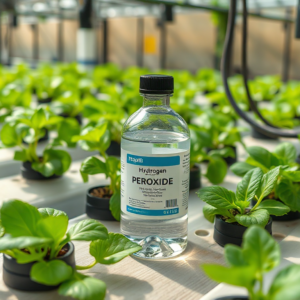
Hydrogen Peroxide for Hydroponic System Cleaning: Concentration, Contact Time, and Rinse Steps
Hydrogen peroxide for hydroponic system cleaning is useful for loosening organic residue and reducing microbial contamination when the system is empty, the solution is properly diluted, and all surfaces receive adequate contact time before thorough rinsing.
Read More »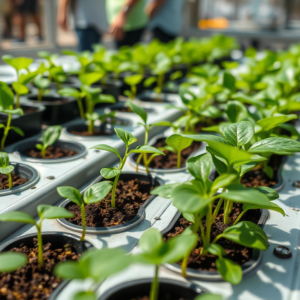
How to Prevent Nutrient Burn in Seedlings: Key Causes and Effective Solutions
How to prevent nutrient burn in seedlings.
Read More »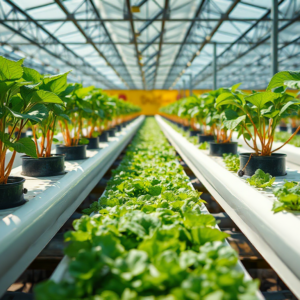
How to Evaluate the Success of Hydroponic Crops: Key Metrics and Practical Methods
How to evaluate the success of hydroponic crops.
Read More »