

Large-Scale Hydroponic Farming Infrastructure Requirements: Site, Utilities, and Capacity Plan
Large-scale hydroponic farming infrastructure requires a site and capacity plan that coordinates the growing system, water treatment, electrical service, climate control, drainage, sanitation, storage, and postharvest workflow. Utility loads should be calculated from simultaneous peak demand rather than equipment nameplate averages, with backup power reserved for pumps, controls, communications, and other crop-critical circuits.
Read More » Vertical Hydroponic Farming Systems for Limited Floor Space—Layouts, Crops, and Capacity
Vertical hydroponic farming systems make limited floor space productive by arranging shallow-rooted crops in stacked channels, tower openings, or tiered trays while recirculating water and nutrients. The most practical layout preserves access for harvesting, reservoir service, airflow, and lighting rather than filling every possible vertical surface.
Read More »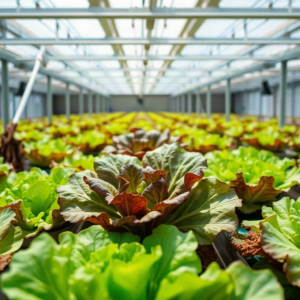
Hydroponic Lettuce EC Ranges by Growth Stage: Targets, Adjustments, and Warning Signs
Hydroponic lettuce EC ranges generally progress from about 0.4–0.8 mS/cm for young seedlings to 0.8–1.2 mS/cm after transplanting, 1.2–1.8 mS/cm during active leaf growth, and roughly 1.4–2.0 mS/cm near harvest. These are working ranges rather than fixed rules because cultivar, water quality, temperature, humidity, and light alter nutrient demand.
Read More »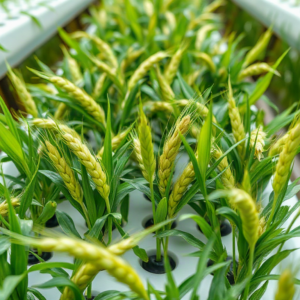
Hydroponic Fodder Production—Crops, Yields, and Hygiene With a Seed-to-Feed Checklist
Hydroponic fodder production turns cereal grain into a dense mat of shoots and roots, but useful yields depend on viable seed, controlled moisture, airflow, and strict hygiene. Barley is commonly favored for reliable germination, while wheat, oats, rye, sorghum, and corn may suit local prices or livestock needs.
Read More »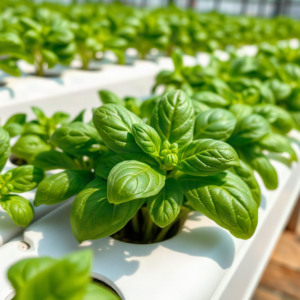
Most Profitable Hydroponic Crops for Small Growers, Ranked by Margin Potential and Sales Fit
The most profitable hydroponic crops for small growers are usually culinary herbs, specialty leafy greens, microgreens, and compact fruiting crops sold directly to customers who value freshness. Basil and living lettuce combine repeat demand with manageable production, while microgreens generate rapid turnover but require steady seeding, sanitation, and sales.
Read More »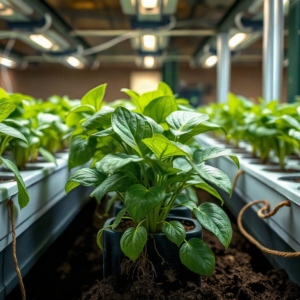
Moving Hydroponic Plants Into Soil Successfully With a 7-Day Transition Plan
Hydroponic plants can be moved into soil successfully by keeping their water-adapted roots moist, using an airy potting mix, and reducing light stress while new soil roots develop. Transplant healthy plants before they become root-bound, rinse away loose growing media, and place the roots in pre-moistened soil without compressing it.
Read More »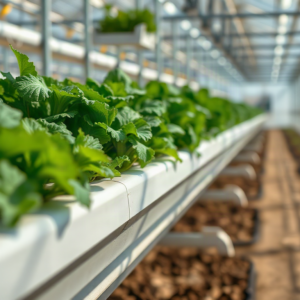
Comparing Hydroponic Farming Advantages and Disadvantages (Costs, Resource Use, and Risks)
Comparing hydroponic farming advantages and disadvantages shows a clear tradeoff: growers gain precise nutrient delivery, recirculated water, compact production, and protection from soil-borne problems, but accept higher startup costs, energy dependence, technical monitoring, and rapid system-wide failure risks.
Read More »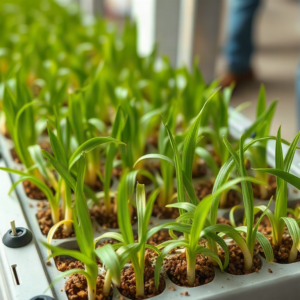
Hydroponic Barley Fodder for Small Livestock: Feeding Benefits, Risks, and Production Method
Hydroponic barley fodder for small livestock is a fresh supplemental feed produced by sprouting barley grain in shallow trays, usually without soil, until roots and green shoots form. Its high moisture content can improve feed palatability and provide animals with fresh forage, but the harvested mat contains less dry matter than its weight suggests.
Read More »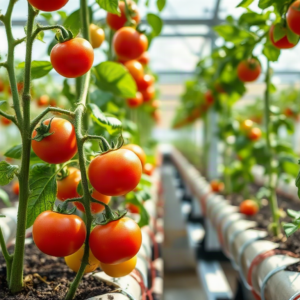
Hydroponic Tomato System Needs and Fruiting Support (Setup Checklist)
Hydroponic tomato system needs and fruiting support are best met with a large, aerated root zone, stable nutrient delivery, strong light, reliable trellising, and active pollination. Choose a drip-fed substrate system or well-managed recirculating setup that can handle mature roots without prolonged saturation.
Read More »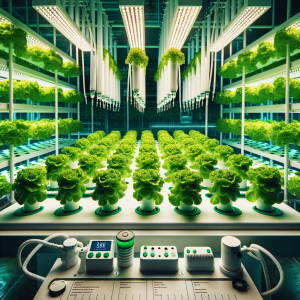
Harvesting Hydroponic Cucumbers at the Right Size: Variety Targets and Ripeness Signs
Harvest hydroponic cucumbers at the size specified for their variety, before the fruit becomes dull, swollen, or heavily seeded. Pickling types are commonly collected while short and firm, slicers at a longer marketable length, and compact cultivars according to the breeder’s stated target rather than one universal measurement.
Read More »