
Choosing Crops for Warm Hydroponic Rooms: What Grows Well and What Struggles
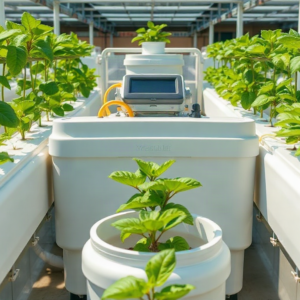
Choosing crops for warm hydroponic rooms means favoring plants that maintain leaf growth, flowering, or fruit set despite elevated air temperatures and warm nutrient solution. Basil, Swiss chard, mint, leaf amaranth, cucumbers, peppers, and compact eggplants are usually stronger candidates than cool-season lettuce, spinach, cilantro, or peas.
Read More »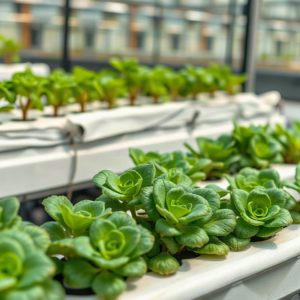
How to Label Hydroponic Reservoirs and Plantings With a Traceable ID System
Label hydroponic reservoirs and plantings by assigning each reservoir a permanent ID and each crop group a linked planting ID, then recording the cultivar, sowing or transplant date, nutrient batch, and expected harvest window. Put water-resistant labels where they remain readable without opening lids or disturbing roots.
Read More »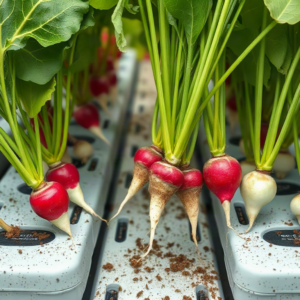
Choose Edible Hydroponic Roots and Shoots by Crop, Space, and Harvest Stage
Choose edible hydroponic roots and shoots by matching each crop’s harvest stage to the system depth, growing medium, and available light. Radishes, baby turnips, pea shoots, sunflower shoots, and young beet greens are practical options, while full-size carrots and storage roots usually need deeper, carefully managed media.
Read More »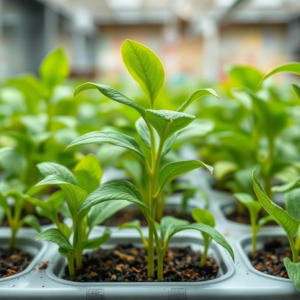
Hydroponic Plants Wilting After Reservoir Filling — Causes, Checks, and Recovery Timing
Hydroponic plants wilting after reservoir filling usually indicates that the refill changed root-zone oxygen, nutrient concentration, pH, temperature, or solution depth faster than the roots could tolerate. First verify that roots are not newly submerged above their normal level, the air pump or circulation pump is operating, and concentrated nutrients were diluted before contacting roots.
Read More »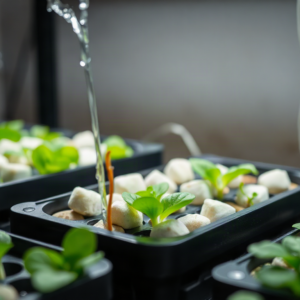
How to Clean Hydroponic Air Stones Safely (Steps, Soaking Time, and Replacement Signs)
Clean hydroponic air stones safely by disconnecting the air pump, rinsing away loose residue, and soaking the stones in a diluted disinfecting solution before rinsing and drying them completely. Use either one part unscented household bleach to nine parts water for about 10 minutes or 3% hydrogen peroxide without mixing the two chemicals.
Read More »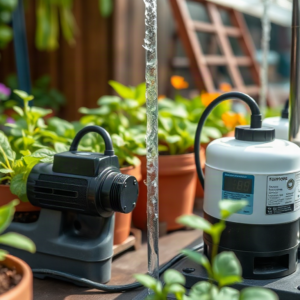
Pump Sizing for Hydroponic Container Gardens: Flow, Head Height, and Turnover Calculations
Pump sizing for hydroponic container gardens should be based on the required flow at the system’s actual head height, not the pump’s unrestricted gallons-per-hour rating. Add the flow needed by all drip emitters, channels, or return lines, then check the manufacturer’s pump curve at the vertical lift from the reservoir surface to the highest outlet.
Read More »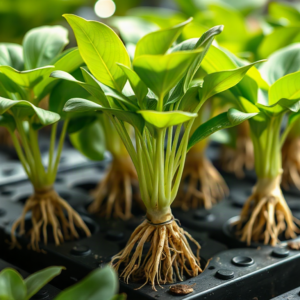
When Hydroponic Plants Are Ready for Transplanting (Readiness Signs and Timing Mistakes)
Hydroponic plants are ready for transplanting when they have several true leaves, a compact network of pale roots, and enough stem strength to remain upright without stretching or collapsing. Roots should hold the starter plug together but should not be densely circling, discolored, slimy, or badly tangled with neighboring seedlings.
Read More »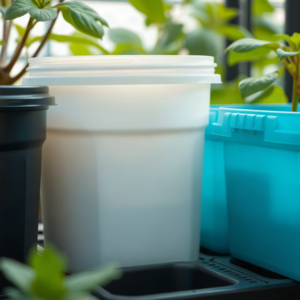
Choosing Food-Safe Containers for Hydroponics: Materials, Labels, and Reuse Mistakes
Choose food-safe containers for hydroponics by verifying documented food-contact use, selecting an appropriate material, and confirming the container has never held hazardous substances. HDPE and polypropylene are common practical choices, while opaque walls help keep light from reaching the nutrient solution and encouraging algae.
Read More »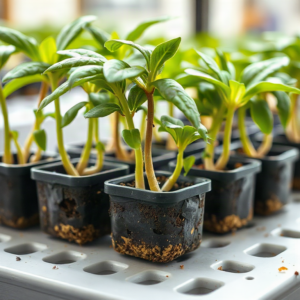
Root Support Options for Hydroponic Seedlings Compared by Material, Moisture, and Transplant Fit
Root support options for hydroponic seedlings should hold the stem upright while keeping young roots moist, oxygenated, and able to enter the final growing system without damage. Starter plugs offer the simplest handling, stone wool provides firm support with predictable moisture retention, and loose media such as coco coir or…
Read More »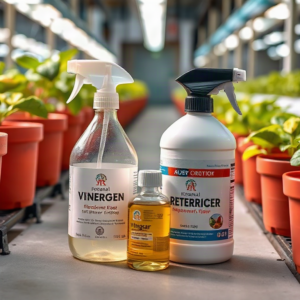
Safe Cleaning Products for Hydroponic Equipment: Methods, Dilution, and Rinse Checklist
Safe cleaning products for hydroponic equipment include mild unscented detergent for routine soil removal, diluted white vinegar or citric acid for mineral deposits, and label-approved hydrogen peroxide or chlorine-based products when disinfection is necessary. Remove plants and nutrient solution before treatment, match the cleaner to the residue, and follow the…
Read More »