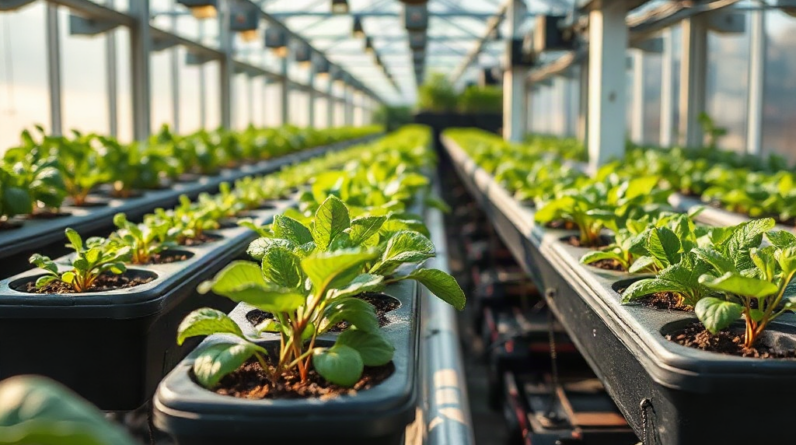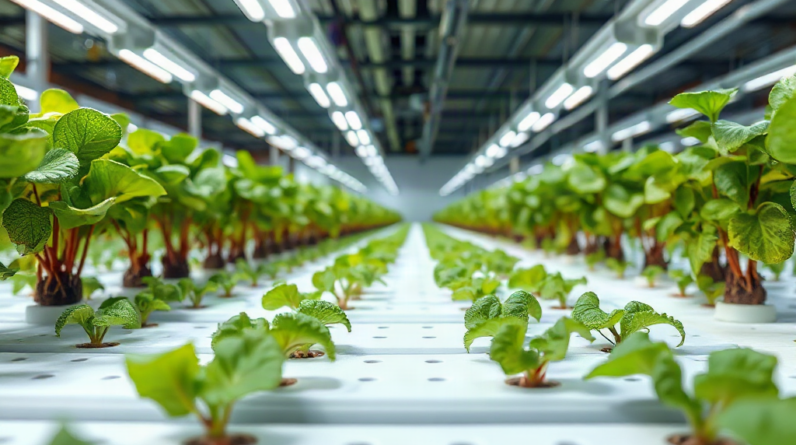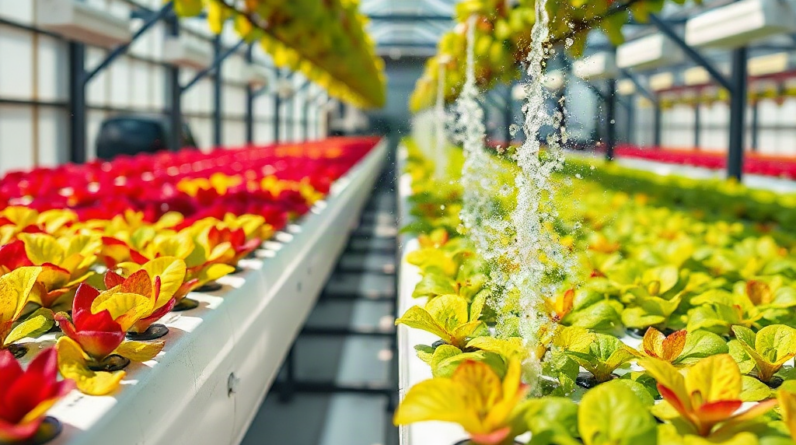
Common failures in hydroponic plant propagation typically arise from environmental mismanagement, nutrient imbalances, and poor plant choices. For instance, inadequate temperature control can stress plants, while improper nutrient solutions may lead to deficiencies or toxicities. To improve success rates, regularly monitor and adjust pH levels, maintain optimal temperature ranges, and use high-quality fertilizers tailored to your specific crops. Additionally, selecting plant varieties that are well-suited for hydroponic systems can significantly enhance growth and yield, reducing the risk of crop failure.
Environmental Control Issues
Environmental control is crucial for successful hydroponic plant propagation. Failures often stem from inadequate temperature, humidity, or light levels. For instance, if the temperature is too high or too low, plants may experience stress, leading to poor growth and reduced yields. Humidity levels also play a significant role; too much moisture can encourage mold growth, while too little can lead to wilting.
To prevent these failures, regularly monitor environmental parameters and adjust as necessary. Using tools like thermostats, hygrometers, and light meters can provide valuable insights. For example, maintaining a consistent temperature between 65°F and 75°F (18°C to 24°C) can optimize growth for many hydroponic plants. Additionally, ensuring adequate light intensity for the specific plants being grown can significantly impact propagation success.
Nutrient Management Problems
Poor nutrient management is another common failure in hydroponic plant propagation. Hydroponic systems rely on nutrient solutions to provide essential elements for plant growth. If the nutrient mix is imbalanced or the pH is not properly managed, plants may exhibit deficiencies or toxicities, leading to stunted growth and disease vulnerability.
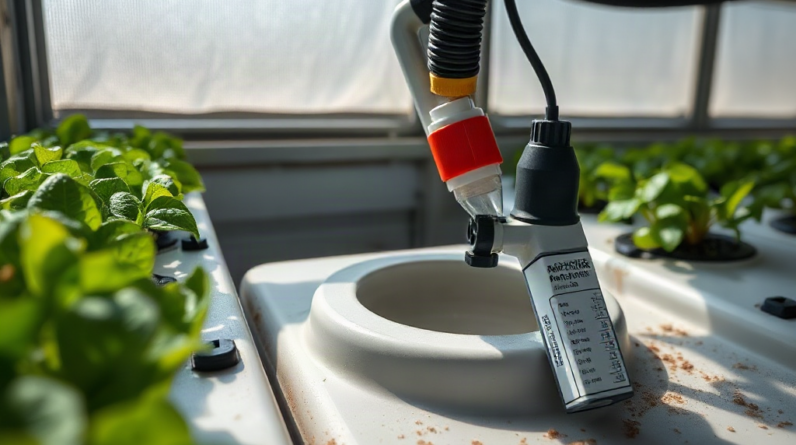
To mitigate these issues, regularly test the nutrient solution for pH and electrical conductivity (EC) levels. Aim for a pH between 5.5 and 6.5 and adjust nutrient concentrations based on plant growth stages. For example, young seedlings may require a different nutrient profile than established plants. Using high-quality hydroponic fertilizers specifically designed for your crop type can also enhance nutrient uptake and plant health.
Plant Selection Mistakes
Choosing the right plant varieties is critical for successful hydroponic propagation. Many beginners make the mistake of selecting plants that are not well-suited for hydroponic systems, which can lead to poor growth and high failure rates. For example, some plants may require more space or different nutrient needs than what hydroponics can provide.
To improve outcomes, research and select varieties known for thriving in hydroponic environments. Leafy greens like lettuce and herbs such as basil are often more successful in hydroponic systems compared to root vegetables. Additionally, consider the growth cycle and desired yield when selecting plants, as some may take longer to mature than others.
Common Pathogen and Pest Challenges
Pathogens and pests can pose significant challenges in hydroponic systems, leading to crop losses. Fungal diseases, like root rot, and pests, such as aphids, can thrive in the moist conditions typical of hydroponics. These issues can quickly escalate if not addressed promptly.
Implementing preventive measures, such as maintaining cleanliness and monitoring plant health, can help mitigate these risks. Regularly inspect plants for signs of disease or pest infestation and take action immediately if problems arise. Utilizing organic pesticides or beneficial insects can also assist in managing pest populations without harming the hydroponic environment.
Frequently Asked Questions
What are common signs of nutrient deficiency in hydroponic plants?
Common signs include yellowing leaves, stunted growth, and poor fruit development. Specific symptoms vary by nutrient type; for example, nitrogen deficiency often causes older leaves to yellow.
How often should I change the nutrient solution in my hydroponic system?
It is generally recommended to change the nutrient solution every 1-2 weeks to maintain optimal nutrient levels and prevent imbalances.
Can I use regular garden soil in a hydroponic system?
No, garden soil is not suitable for hydroponic systems as it can introduce pathogens and does not provide the necessary aeration and drainage needed for healthy root growth.
What environmental factors should I monitor in my hydroponic setup?
Key factors include temperature, humidity, light intensity, and pH levels. Regular monitoring ensures that plants grow in optimal conditions.
How can I prevent root rot in hydroponic systems?
To prevent root rot, ensure proper aeration in the root zone, maintain adequate drainage, and avoid overwatering. Regularly inspect roots for signs of decay.
Further Reading
Authoritative Sources
- USDA National Institute of Food and Agriculture
nifa.usda.govResearch and extension resources related to agriculture, plants, soil, and food systems
- Extension Foundation Gardening Resources
extension.orgUniversity extension education resources for practical gardening and home agriculture topics
- USDA Natural Resources Conservation Service
nrcs.usda.govSoil, water, conservation, and land management resources for practical growing decisions
Conclusion
Understanding and addressing common failures in hydroponic plant propagation is essential for achieving successful outcomes. By focusing on environmental control, nutrient management, plant selection, and pest prevention, growers can significantly improve their success rates. Regular monitoring and adjustments based on plant needs will lead to healthier crops and higher yields in hydroponic systems.