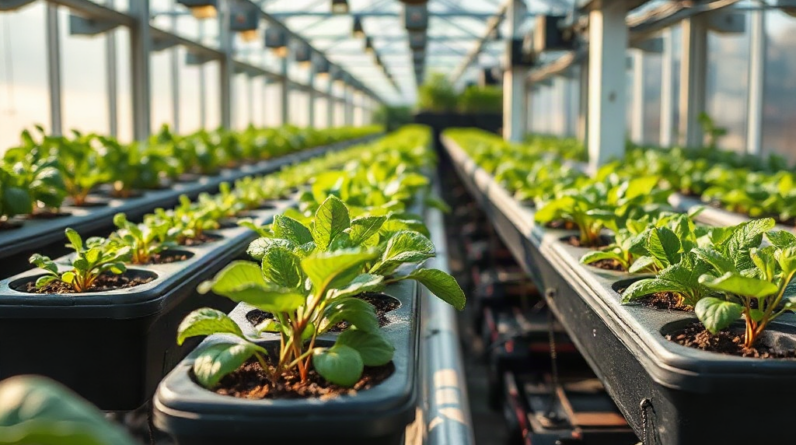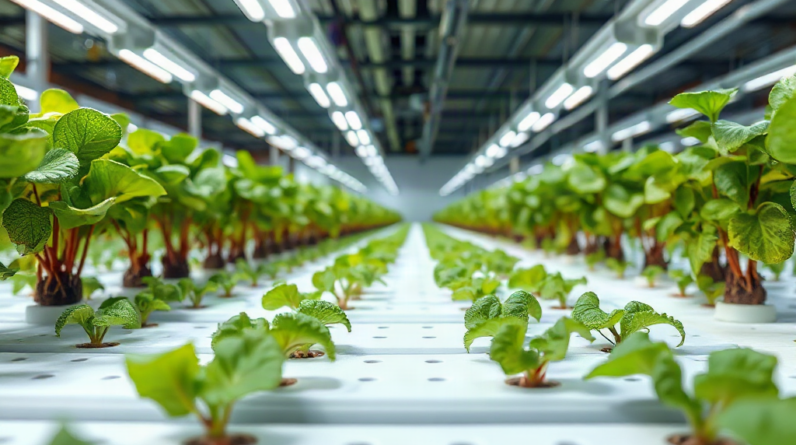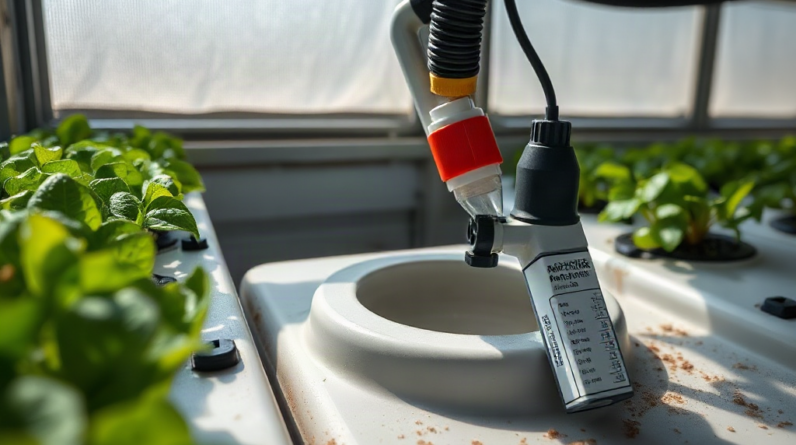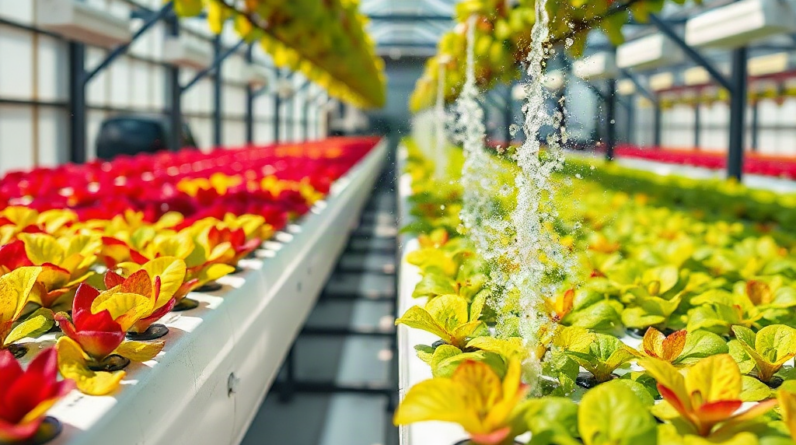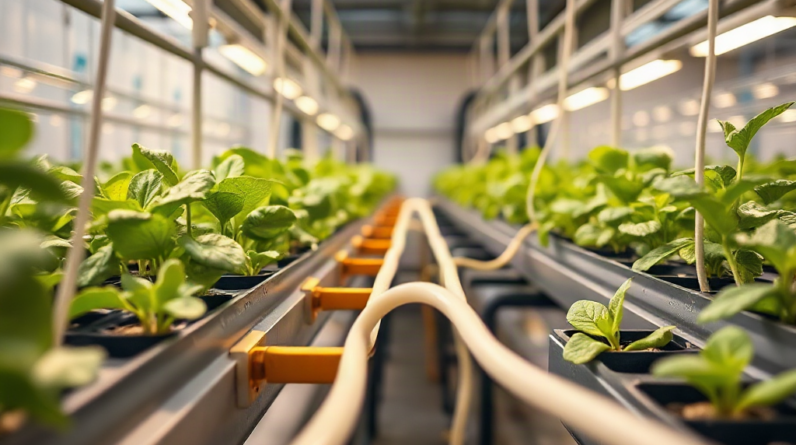
Regular checks can help identify potential blockages and ensure the emitters are functioning correctly. Additionally, monitoring the pH and nutrient levels in your system is crucial to prevent deficiencies that can affect plant health. For instance, an imbalance in nutrients can lead to poor growth or even plant death.
Clogs are one of the most common issues in hydroponic drip systems. Regularly inspecting the emitters and tubing for blockages is crucial.
Identifying Clogs in Drip Systems
Clogs are one of the most common issues in hydroponic drip systems. They can disrupt the flow of water and nutrients, leading to poor plant health. Regularly inspecting the emitters and tubing for blockages is crucial. If you notice reduced water flow to certain plants, it may indicate a clog.
To prevent clogs, consider using filters and regularly cleaning your system. Flushing the system with a cleaning solution can help remove buildup and keep the system running smoothly. Additionally, ensure that your water source is clean and free from contaminants that could lead to clogs.
Ensuring Even Water Distribution
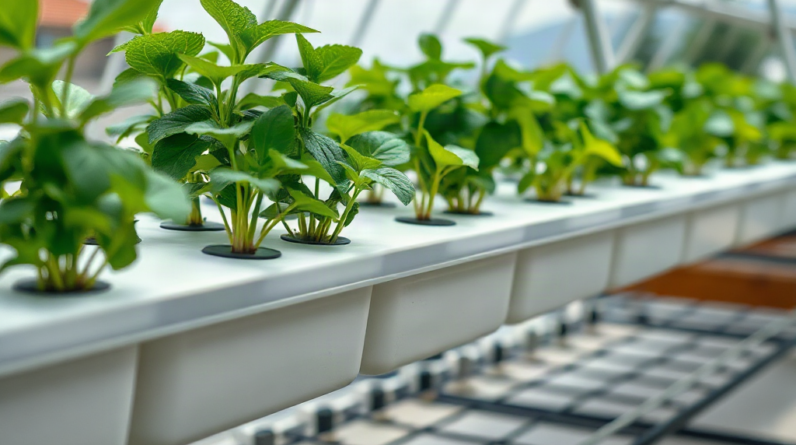
Even water distribution is critical for the success of hydroponic systems. Uneven watering can result from incorrect emitter placement or varying lengths of tubing. This inconsistency can stress plants and lead to suboptimal growth.
To achieve uniform distribution, regularly check that all emitters are functioning properly and adjust their placement as necessary. Experimenting with different emitter flow rates may also help achieve better results, ensuring that each plant receives the appropriate amount of water.
Managing Nutrient Imbalances
Nutrient imbalances can significantly impact plant health in hydroponic systems. Common symptoms include yellowing leaves or stunted growth, which often indicate deficiencies or excesses of essential nutrients.
Monitoring nutrient levels regularly and adjusting them based on plant needs is vital. Utilize a nutrient solution that caters to the specific requirements of the plants you are growing and be cautious of over-fertilization, which can lead to nutrient lockout.
Maintaining System Components
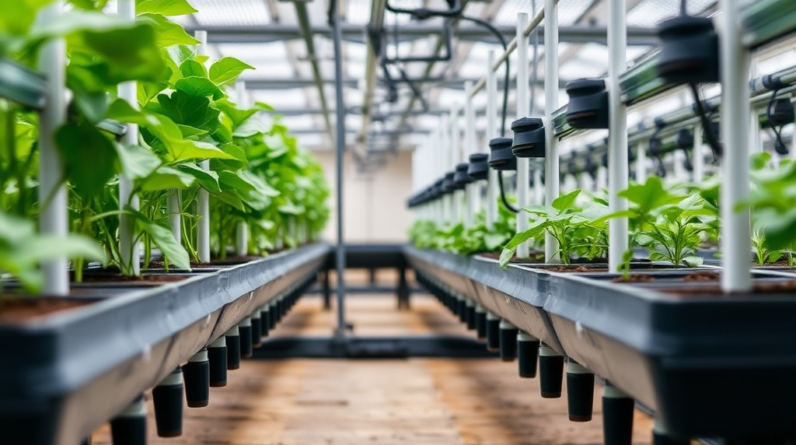
Regular maintenance of system components is key to preventing issues. This includes cleaning the reservoir, checking pumps, and ensuring all components are in good working order. Neglecting maintenance can lead to a host of problems, including system failures or plant health issues.
Set a maintenance schedule that includes regular checks and cleaning to prolong the lifespan of your hydroponic system. This proactive approach can save time and resources in the long run.
Further Reading
Authoritative Sources
- USDA National Institute of Food and Agriculture
nifa.usda.govResearch and extension resources related to agriculture, plants, soil, and food systems
- Extension Foundation Gardening Resources
extension.orgUniversity extension education resources for practical gardening and home agriculture topics
- USDA Natural Resources Conservation Service
nrcs.usda.govSoil, water, conservation, and land management resources for practical growing decisions
Frequently Asked Questions
What are the signs of clogging in a hydroponic drip system?
Signs of clogging include reduced water flow, uneven moisture levels, and wilting plants due to lack of hydration.
How can I prevent nutrient imbalances in my hydroponic system?
Regularly test nutrient levels and adjust your feeding regimen based on the specific needs of your plants to prevent imbalances.
What is the best way to clean a hydroponic drip system?
Flush the system with a cleaning solution, remove and clean emitters, and ensure the reservoir is free from debris.
How often should I check my hydroponic system?
Inspect your hydroponic system at least once a week to ensure all components are functioning properly and to catch any issues early.
Can I use tap water in my hydroponic system?
Tap water can be used, but it should be tested for pH and contaminants, as high chlorine or mineral levels can cause issues.