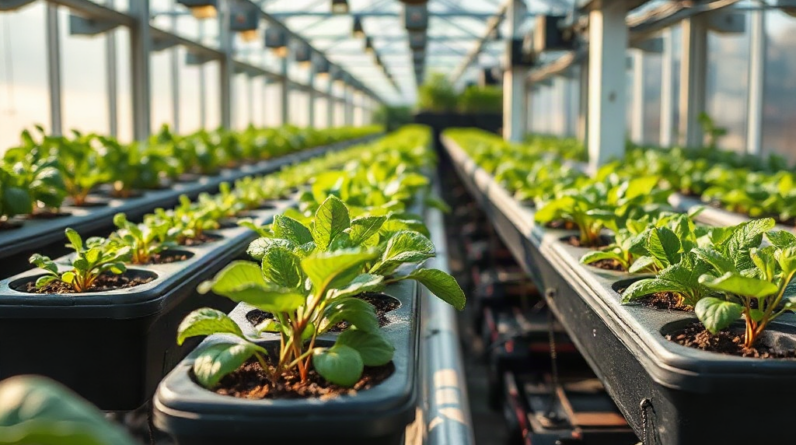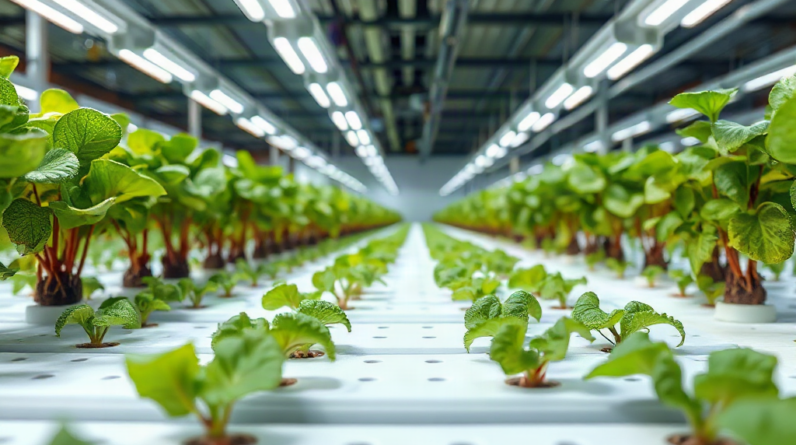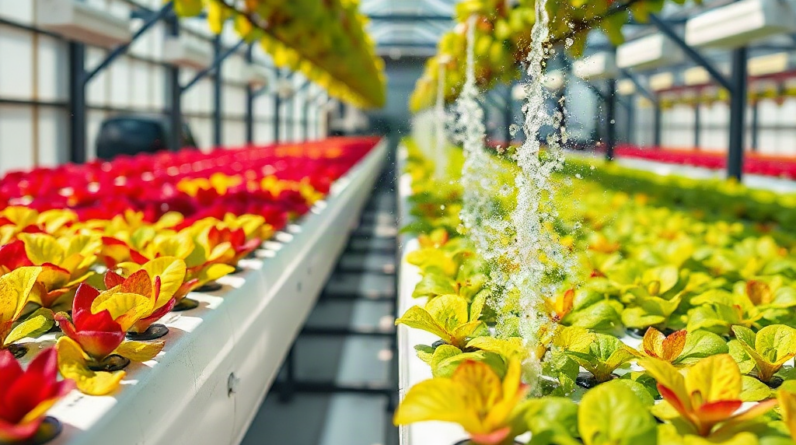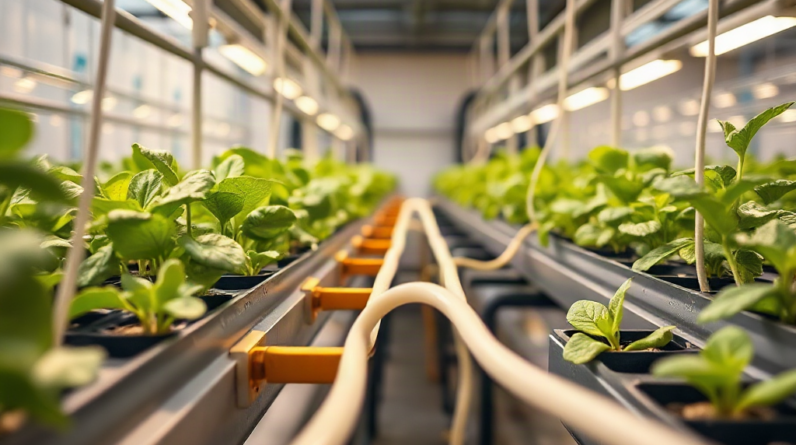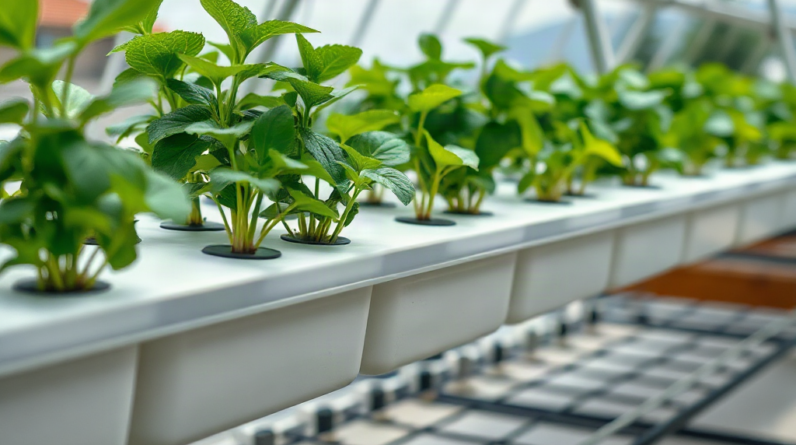
A hydroponic farming system at home enables you to cultivate plants without the need for soil, utilizing a nutrient-rich water solution instead. This innovative approach to gardening is increasingly favored for its ability to yield fresh produce throughout the year, regardless of outdoor conditions. Key to successful hydroponic gardening is selecting an appropriate system, maintaining optimal nutrient levels, and closely monitoring environmental factors such as light and temperature.
One of the primary advantages of hydroponic systems is their efficiency in water usage, making them suitable for indoor environments where space and resources may be limited. However, common pitfalls include inadequate nutrient concentrations, poor light conditions, and pest management challenges. Understanding these factors is essential for maximizing plant health and productivity in your home setup.
Choosing the Right Hydroponic System
There are several types of hydroponic systems available, such as deep water culture, nutrient film technique, and aeroponics. Each system has its unique benefits and challenges. For instance, deep water culture is straightforward and effective for beginners, while aeroponics offers rapid growth rates but requires more technical knowledge. Assess your available space, budget, and plant types to determine which system aligns best with your goals.
When selecting a system, consider factors like setup complexity, maintenance requirements, and scalability. Beginners might benefit from starting with a simpler system before advancing to more complex setups. Additionally, ensure that your chosen system can accommodate the types of plants you wish to grow, as different species may have varying space and nutrient needs.
Essential Nutrients for Hydroponic Growth
In hydroponics, plants rely entirely on a nutrient solution for their growth and development. Essential nutrients include macronutrients like nitrogen, phosphorus, and potassium, as well as micronutrients such as iron, manganese, and zinc. Understanding the role of each nutrient is crucial for preventing deficiencies that can hinder plant growth.
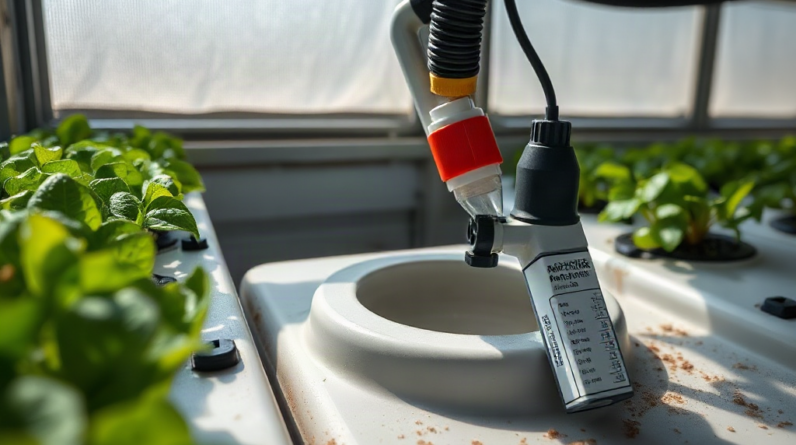
Properly balancing these nutrients is vital for optimal plant health. Regularly testing your nutrient solution can help you adjust concentrations to meet the specific needs of your plants. Keep in mind that different growth stages may require varying nutrient levels, so be prepared to modify your solution as plants mature.
Light Requirements for Hydroponic Plants
Light is a critical factor in hydroponic gardening, as it directly affects photosynthesis and plant growth. Most hydroponic plants thrive under a specific light spectrum, typically provided by LED or fluorescent grow lights. Understanding the duration and intensity of light your plants need is essential for maximizing yield.
Generally, indoor hydroponic systems require 12 to 16 hours of light per day, depending on the plant species. It’s important to monitor your plants closely and adjust light exposure accordingly. Insufficient light can lead to slow growth and poor yields, while excessive light can cause stress and damage.
Common Mistakes in Home Hydroponics
Many beginners make mistakes that can hinder their hydroponic success. Common issues include overwatering or underwatering, failing to monitor pH levels, and neglecting to clean components regularly. These oversights can lead to nutrient imbalances and plant diseases.
To avoid these pitfalls, establish a routine for monitoring your system, including regular checks of water levels, pH, and nutrient concentrations. Additionally, ensure that your growing environment is clean and free from pests to promote healthy plant growth.
Frequently Asked Questions
What is a hydroponic farming system?
A hydroponic farming system is a method of growing plants without soil, using a nutrient-rich water solution to provide essential nutrients directly to the plant roots.
How do I start a hydroponic garden at home?
To start a hydroponic garden at home, choose a suitable hydroponic system, select your plants, prepare a nutrient solution, and provide adequate light and monitoring.
What plants grow best in hydroponic systems?
Leafy greens such as lettuce, spinach, and herbs like basil and mint are excellent choices for hydroponic systems due to their quick growth rates and minimal space requirements.
How often should I change the nutrient solution?
It is recommended to change the nutrient solution every two to three weeks to maintain optimal nutrient levels and prevent imbalances.
Can hydroponic systems work outdoors?
Yes, hydroponic systems can be set up outdoors, but it is essential to protect them from extreme weather conditions and pests that could affect plant health.
Conclusion
Implementing a hydroponic farming system at home can offer numerous benefits, including year-round access to fresh produce. To achieve success, prioritize selecting the right system, maintaining nutrient balance, and ensuring optimal light conditions. By avoiding common mistakes and regularly monitoring your setup, you can create a thriving hydroponic garden that meets your needs.