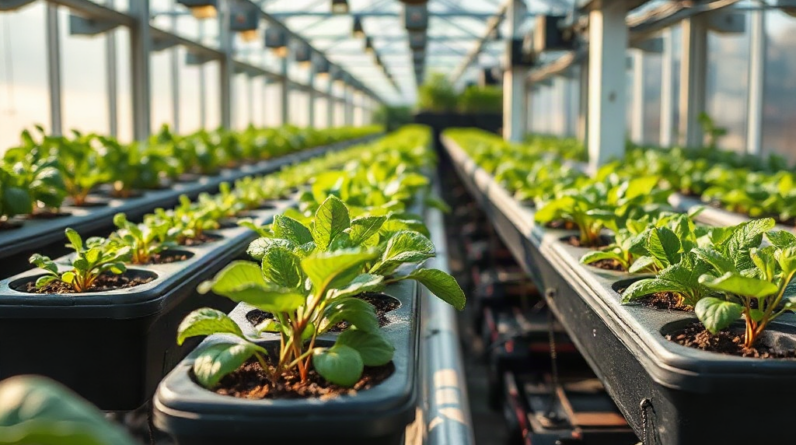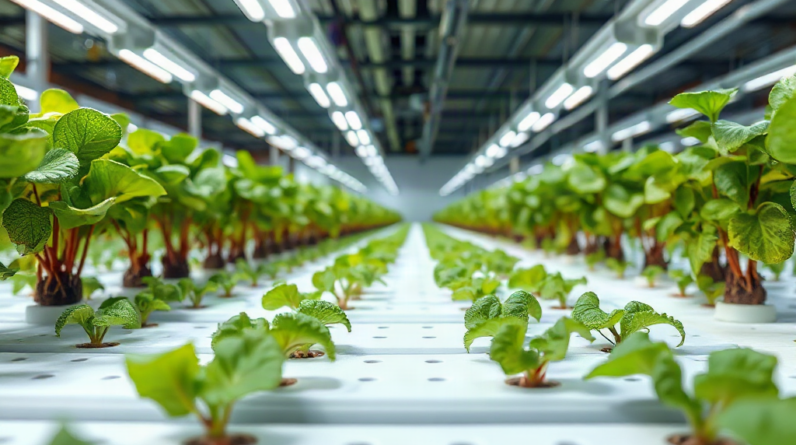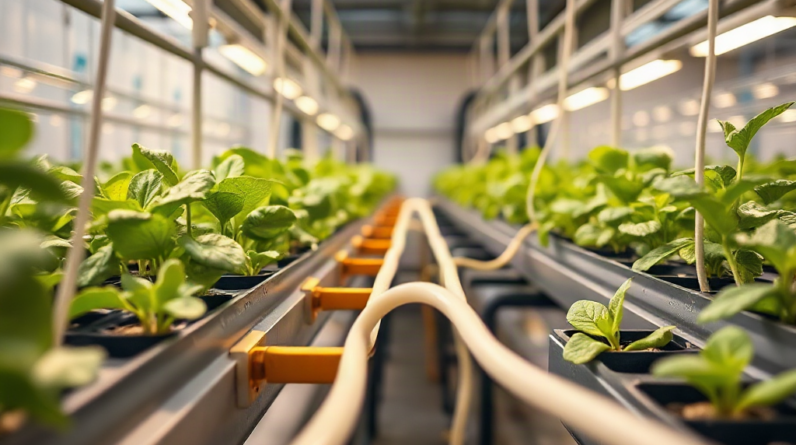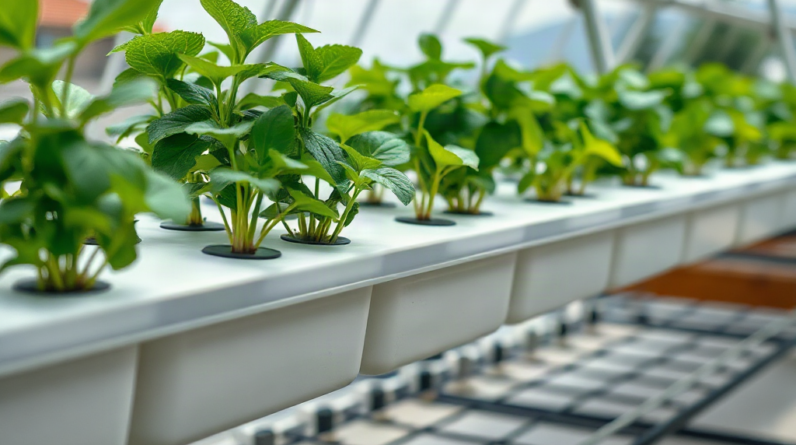
Hydroponic strawberries commonly face issues such as nutrient deficiencies, pest infestations, and root rot. Nutrient imbalances can stunt growth and affect fruit quality, so it's essential to monitor the nutrient solution's pH and electrical conductivity regularly. Pest problems, including aphids and spider mites, can escalate quickly; implementing integrated pest management strategies like regular inspections and introducing beneficial insects can help mitigate these threats. Additionally, root rot often stems from overwatering and inadequate aeration, which can be prevented by ensuring proper drainage and airflow in the growing system. Addressing these challenges promptly is vital for a successful strawberry harvest.
Nutrient Deficiencies
Nutrient deficiencies are a common problem in hydroponic strawberries that can significantly impact plant health and fruit yield. Essential nutrients like nitrogen, phosphorus, and potassium must be balanced to ensure optimal growth. A deficiency in nitrogen can lead to stunted growth and yellowing leaves, while a lack of phosphorus may cause poor root development and reduced flowering.
Regular monitoring of the nutrient solution’s EC (electrical conductivity) and pH levels is vital to prevent such deficiencies. Additionally, using a complete nutrient solution designed for strawberries can help maintain the right balance. One common mistake is over-fertilizing, which can lead to nutrient lockout, where plants cannot absorb nutrients effectively. Always follow the recommended feeding schedule and adjust according to plant response.
Pest Infestations
Pest infestations can severely affect hydroponic strawberry plants, leading to reduced yields and compromised plant health. Common pests include aphids, spider mites, and whiteflies. These pests can quickly multiply in a hydroponic environment, making early detection and management crucial.
Implementing integrated pest management (IPM) strategies is essential. This includes regular inspections, maintaining cleanliness in the growing area, and using beneficial insects like ladybugs to control pest populations. Chemical treatments should be a last resort, as they can disrupt the delicate balance of the hydroponic ecosystem. A common mistake is neglecting to scout for pests regularly, which can result in severe infestations.
Root Rot
Root rot is a significant concern in hydroponic systems, often caused by overwatering and poor aeration. It typically results from pathogens like Pythium, which thrive in overly moist conditions. Symptoms include wilting plants, yellowing leaves, and a foul odor from the roots.
To prevent root rot, ensure proper drainage in your system and avoid overwatering. Using well-aerated growing mediums and maintaining optimal water temperature can also help. If root rot is detected, it’s crucial to remove affected plants immediately and treat the remaining plants with fungicides or beneficial microbes to restore health. Many growers mistakenly assume that more water will benefit their plants, but this often leads to detrimental effects.
Environmental Factors
Environmental factors such as light, temperature, and humidity play a critical role in the success of hydroponic strawberries. Inadequate light can lead to poor growth and insufficient fruiting, while extreme temperatures can stress plants, making them more susceptible to diseases and pests.
Maintaining an appropriate light schedule of 12-16 hours per day with the right spectrum for fruiting is vital. Additionally, keeping temperatures between 65-75°F (18-24°C) and humidity levels around 50-70% can optimize growth conditions. A common pitfall is failing to adjust environmental controls as plants grow, leading to issues like leggy growth or fruit drop.
Further Reading
For more insights on managing hydroponic strawberries, consider exploring resources from agricultural extensions or hydroponics-focused publications. These can provide valuable information on advanced techniques and troubleshooting.
Frequently Asked Questions
What are the signs of nutrient deficiencies in hydroponic strawberries?
Signs include yellowing leaves, stunted growth, and poor fruit development.
How can I prevent pest infestations in my hydroponic system?
Regular inspections, maintaining cleanliness, and using beneficial insects can help prevent infestations.
What causes root rot in hydroponic strawberries?
Root rot is typically caused by overwatering and poor aeration, leading to pathogens thriving in moist conditions.
How important are environmental factors for hydroponic strawberries?
Environmental factors like light, temperature, and humidity are crucial for optimal growth and fruiting.
What should I do if I notice pests on my strawberry plants?
Inspect the plants thoroughly, remove affected leaves, and consider using integrated pest management strategies.
Further Reading
Authoritative Sources
- USDA National Institute of Food and Agriculture
nifa.usda.govResearch and extension resources related to agriculture, plants, soil, and food systems
- Extension Foundation Gardening Resources
extension.orgUniversity extension education resources for practical gardening and home agriculture topics
- USDA Natural Resources Conservation Service
nrcs.usda.govSoil, water, conservation, and land management resources for practical growing decisions
Conclusion
Addressing common problems with hydroponic strawberries such as nutrient deficiencies, pest infestations, and root rot is essential for successful cultivation. Regular monitoring and proactive management can help prevent these issues. By understanding the underlying causes and implementing effective strategies, growers can ensure healthy plants and a fruitful harvest.