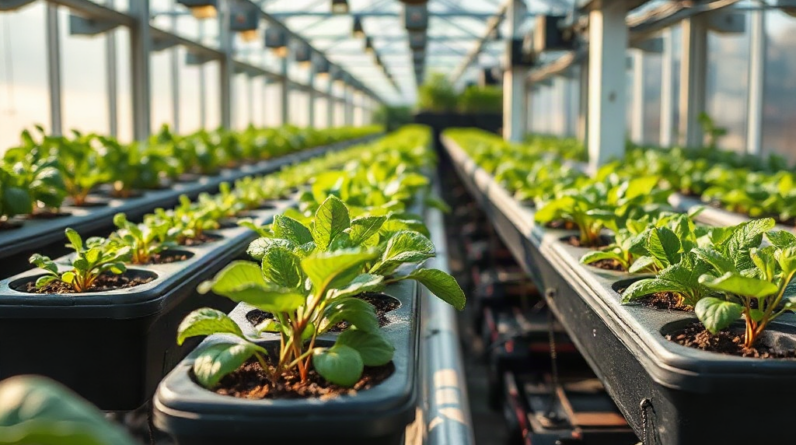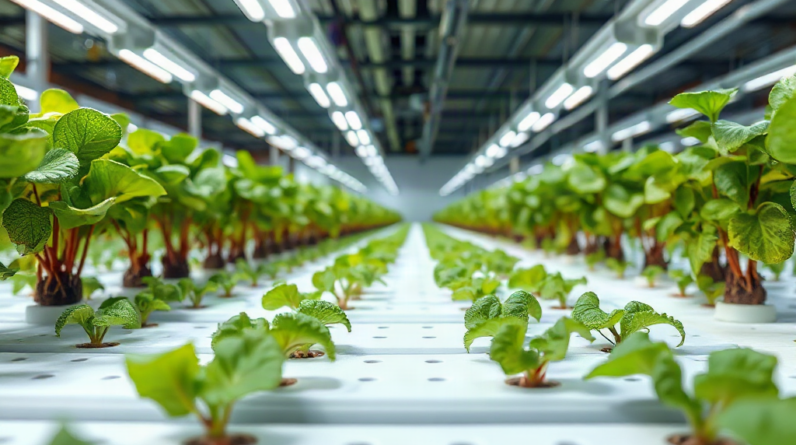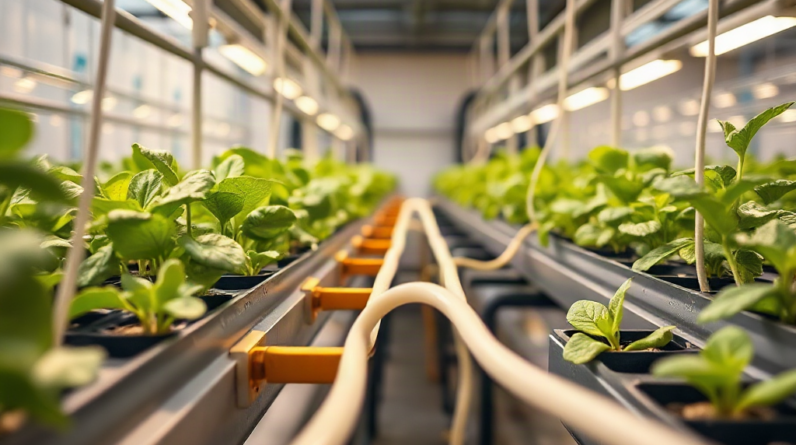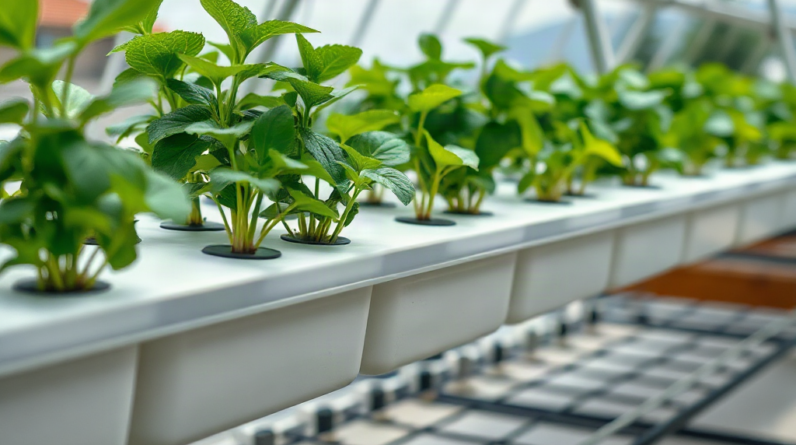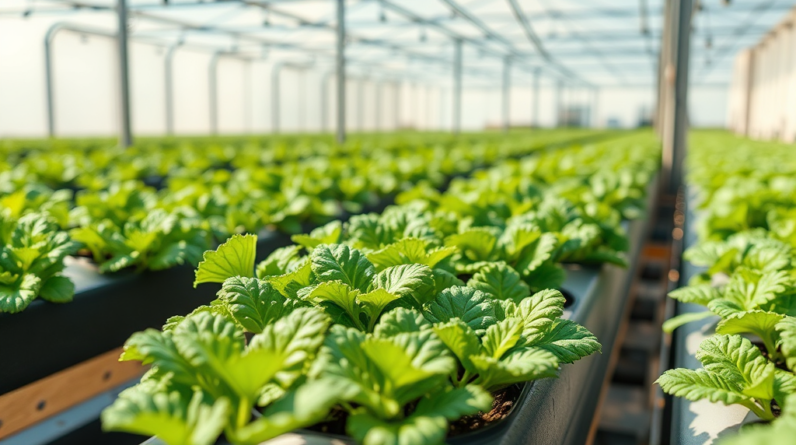
Poor airflow in hydroponic gardens can severely impact plant health and crop yield. High humidity levels can promote the growth of mold and pathogens, leading to diseases like root rot and powdery mildew. Additionally, stagnant air reduces oxygen availability in the root zone, causing stress and nutrient absorption issues for plants. To counteract these problems, it's essential to maintain adequate ventilation by using fans and strategically spacing plants to enhance airflow. Regular monitoring of humidity levels will also help prevent the onset of detrimental conditions, ensuring a healthier growing environment.
Understanding Airflow in Hydroponic Systems
Airflow is a critical component of hydroponic gardening, as it regulates temperature, humidity, and gas exchange within the system. Proper airflow helps maintain optimal conditions for plant growth by ensuring that plants receive sufficient carbon dioxide and that excess moisture is removed. Without adequate airflow, plants can suffer from a variety of issues that can hinder their health and productivity.
In hydroponic systems, airflow can be affected by several factors, including the layout of the garden, the type of growing medium used, and the equipment employed. For example, densely packed plants may restrict airflow, leading to microclimates that can create overly humid conditions. Understanding how airflow works in these systems is essential for preventing complications.
Effects of Poor Airflow
Poor airflow can have multiple detrimental effects on hydroponic gardens. One of the most significant issues is the increase in humidity levels, which can create a breeding ground for mold, mildew, and other pathogens. These conditions can lead to diseases such as powdery mildew and root rot, which can devastate crops and lead to significant losses.
Additionally, low oxygen levels in the root zone can result from stagnant air, causing roots to become stressed and reducing their ability to absorb nutrients effectively. This can stunt plant growth and hinder overall health. Furthermore, plants may exhibit symptoms such as wilting, yellowing leaves, and stunted growth due to these adverse conditions.
Common Mistakes to Avoid
Many hydroponic gardeners make common mistakes that can exacerbate airflow problems. One frequent error is not spacing plants adequately, which can restrict airflow and create localized areas of high humidity. Additionally, relying solely on passive ventilation without incorporating active air circulation methods, such as fans, can lead to stagnant air pockets.
Another mistake is failing to monitor humidity and temperature levels regularly. Without this data, gardeners may remain unaware of worsening conditions until significant damage has occurred. Implementing a monitoring system can help detect issues early, allowing for timely adjustments to airflow and environmental conditions.
Improving Airflow in Hydroponic Gardens
To enhance airflow in hydroponic gardens, several strategies can be employed. First, ensure that plants are spaced appropriately to allow for adequate air movement. This may involve thinning out overcrowded sections or using trellises to support plants vertically, improving overall air circulation.
Incorporating fans into the garden setup can significantly improve airflow. Oscillating fans can help distribute air evenly throughout the space, preventing the formation of stagnant areas. Additionally, using exhaust fans can help remove excess humidity and maintain optimal temperature levels.
Regularly checking and adjusting the layout of the hydroponic system can also help improve airflow. Keeping the area clean and free of debris will reduce obstacles to air movement, allowing for better ventilation. By implementing these strategies, gardeners can create a healthier environment for their plants, ultimately leading to improved growth and yields.
Frequently Asked Questions
What are the signs of poor airflow in hydroponic gardens?
Signs of poor airflow include high humidity levels, mold growth, wilting leaves, and stunted plant growth.
How can I improve airflow in my hydroponic system?
Improving airflow can be achieved by spacing plants appropriately, using fans, and ensuring proper ventilation in the growing area.
What are the risks of high humidity in hydroponic gardens?
High humidity can lead to mold, mildew, and root rot, which can severely affect plant health and yield.
How does airflow affect nutrient uptake in plants?
Poor airflow can limit oxygen availability in the root zone, hindering nutrient absorption and negatively impacting plant growth.
What equipment is best for enhancing airflow?
Oscillating fans, exhaust fans, and air circulation systems are effective tools for enhancing airflow in hydroponic gardens.
Further Reading
Authoritative Sources
- Hydroponics.org
hydroponics.orgThis resource offers comprehensive information on hydroponic gardening techniques, including airflow management
- University Cooperative Extension
extension.orgA valuable source for research-based information on agriculture and horticulture, including hydroponics
- National Agricultural Library
nal.usda.govProvides access to a wealth of agricultural research, including studies related to hydroponic systems
Conclusion
Maintaining proper airflow in hydroponic gardens is essential for ensuring healthy plant growth and preventing diseases. By understanding the consequences of poor airflow and implementing strategies to improve ventilation, gardeners can significantly enhance their crop yields. Regular monitoring of environmental conditions and proactive adjustments will help create an optimal growing environment.