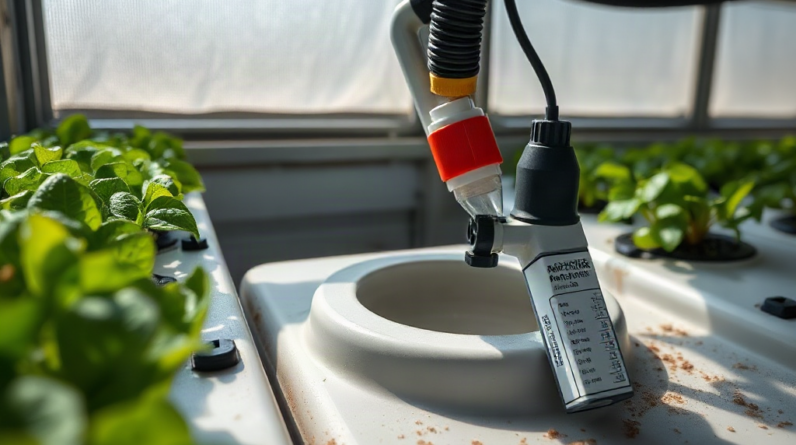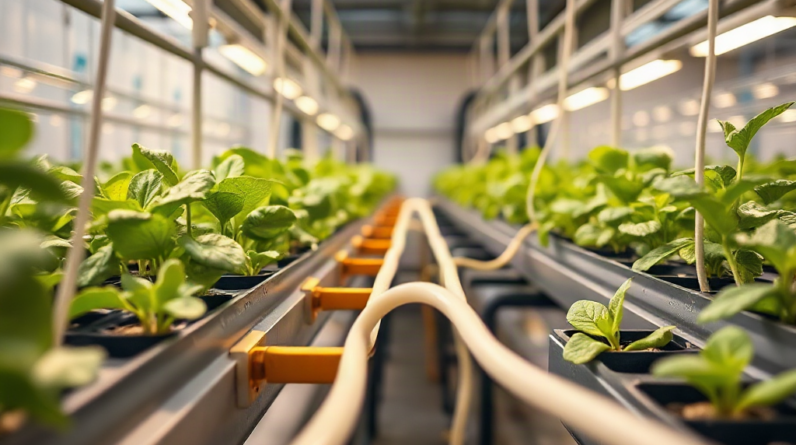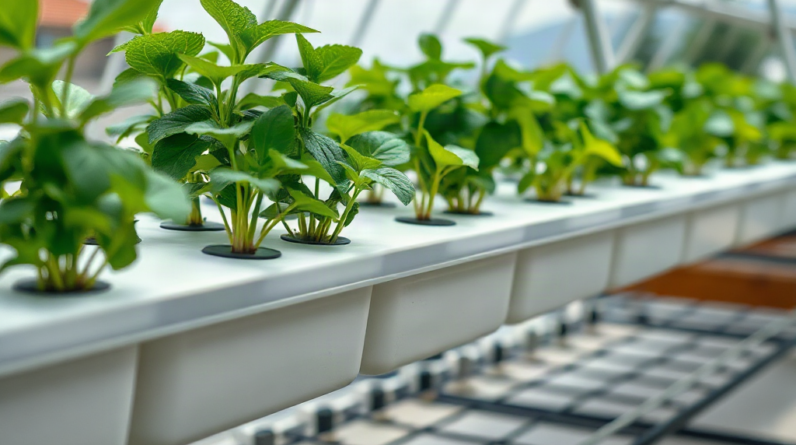
Underfeeding hydroponic plants can result in nutrient deficiencies, leading to stunted growth, yellowing leaves, and poor yields. These symptoms indicate that the plants are not receiving the essential nutrients they need for optimal development. To address this issue, it's crucial to regularly monitor nutrient levels in the solution and adjust the feeding regimen accordingly. Implementing a nutrient calculator can help ensure that plants receive the right balance of macro and micronutrients. Timely intervention can significantly improve plant health and productivity, preventing long-term damage and yield loss.
Understanding Nutrient Requirements
Hydroponic plants require a carefully balanced nutrient solution for optimal growth. Unlike soil-grown plants, they depend entirely on the nutrient solution for essential elements like nitrogen, phosphorus, potassium, calcium, and magnesium, as well as trace elements such as iron and manganese. Each nutrient plays a crucial role in various physiological processes, including photosynthesis, energy transfer, and cell division. Understanding these requirements is vital because even slight underfeeding can lead to significant impacts on plant health and yield.
For instance, nitrogen is critical for leaf growth, while phosphorus supports root development and flowering. A well-balanced nutrient solution must be monitored and adjusted regularly to ensure that plants receive the right amounts. Many growers utilize hydroponic nutrient calculators or rely on manufacturer guidelines to formulate their nutrient solutions, but they must remain vigilant about changes in plant response to feeding practices.
Signs of Underfeeding
Identifying the signs of underfeeding in hydroponic plants is essential for timely intervention. Common symptoms include yellowing leaves, particularly in older foliage, which often indicates nitrogen deficiency. Stunted growth and reduced flowering or fruiting are also prevalent indicators. Some plants may exhibit slower overall growth rates or become leggy as they stretch towards light sources, a sign of inadequate nutrient absorption.
Another symptom is leaf drop, where plants shed leaves prematurely in response to stress from nutrient shortages. Monitoring your plants regularly and being familiar with their normal growth patterns will help you notice these changes early. Keeping a journal of nutrient adjustments and plant responses can also aid in recognizing trends and preventing problems before they escalate.
Risks Associated with Nutrient Deficiency
The consequences of underfeeding hydroponic plants extend beyond immediate symptoms. Prolonged nutrient deficiencies can compromise plant health, leading to increased susceptibility to pests and diseases. Weak plants may also fail to produce fruit or flowers, resulting in reduced yields. This can be particularly detrimental in commercial settings where profit margins rely on consistent production.
Moreover, nutrient deficiencies can lead to imbalances in the nutrient solution itself, further complicating recovery efforts. For example, if a plant is deficient in potassium, it may struggle with water regulation, making it more prone to stress from environmental factors like temperature fluctuations or humidity changes. Understanding these risks helps growers prioritize nutrient management as a critical component of their hydroponic systems.
Strategies for Recovery
When addressing the consequences of underfeeding hydroponic plants, prompt action is vital. Start by testing your nutrient solution to determine the current levels of essential elements. Based on the results, adjust your feeding schedule, increasing the frequency or concentration of nutrient solutions as needed. It’s often beneficial to introduce a balanced fertilizer that includes both macro and micronutrients to ensure comprehensive coverage.
Additionally, consider implementing a foliar spray of nutrients for immediate absorption by the plants. This method can provide a quick boost while the roots adjust to the new nutrient levels. Regular monitoring and adjustments will help prevent future deficiencies, ensuring that plants remain healthy and productive. Establishing a routine for nutrient testing and plant observation can significantly enhance your hydroponic success.
Frequently Asked Questions
What are the main signs of underfeeding in hydroponic plants?
Main signs include yellowing leaves, stunted growth, and reduced flowering or fruiting.
How does underfeeding affect plant health?
Underfeeding can lead to nutrient deficiencies, making plants weaker and more susceptible to pests and diseases.
What nutrients are most commonly lacking in hydroponic systems?
Nitrogen, potassium, and magnesium are often the most common nutrients lacking in underfed hydroponic plants.
How can I recover plants from underfeeding?
Test the nutrient solution, adjust feeding schedules, and consider foliar spraying to quickly address deficiencies.
Is it possible to overcorrect nutrient deficiencies?
Yes, overcorrecting can lead to nutrient burn, so adjustments should be made gradually and monitored closely.
Further Reading
Authoritative Sources
- Hydroponics Research
hydroponics.orgThis resource offers comprehensive information on nutrient management in hydroponic systems
- USDA Hydroponic Guidelines
usda.govProvides guidelines and best practices for nutrient solutions in hydroponics
- Clemson University Extension
clemson.eduA valuable source for research and educational materials on hydroponic gardening
- Nature Research Journal
nature.comFind peer-reviewed articles on plant nutrition and hydroponic practices
Conclusion
Managing nutrient levels is critical for the health of hydroponic plants. Recognizing the signs of underfeeding early can prevent serious consequences, such as reduced yields and increased susceptibility to diseases. By understanding nutrient requirements and adjusting feeding practices promptly, growers can ensure their plants thrive. Regular monitoring and strategic recovery efforts will not only rectify deficiencies but also promote long-term plant health and productivity.