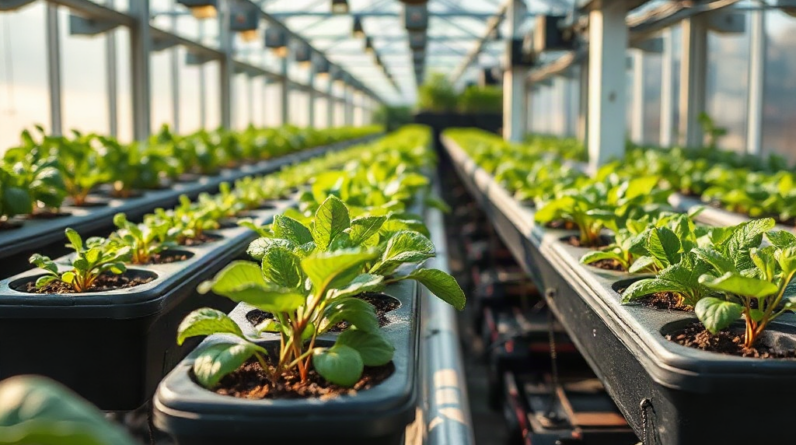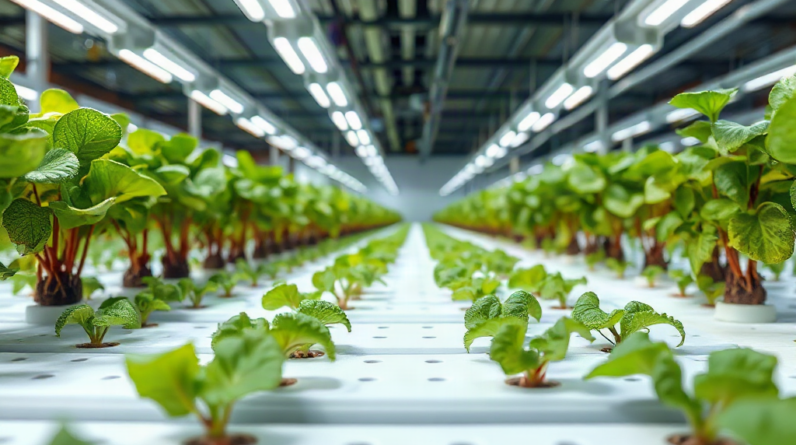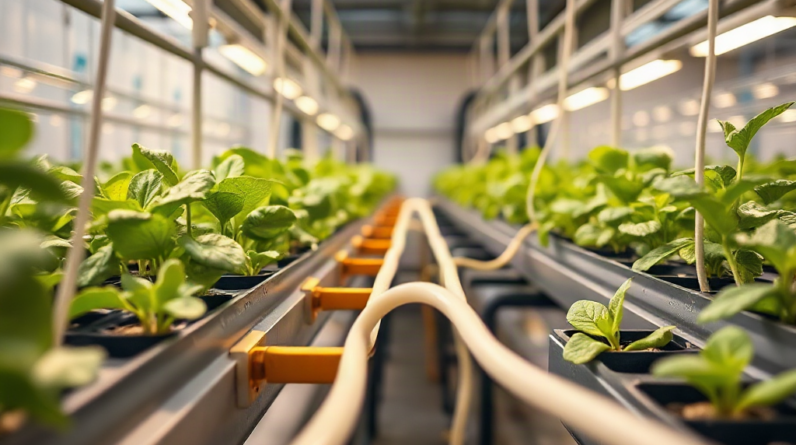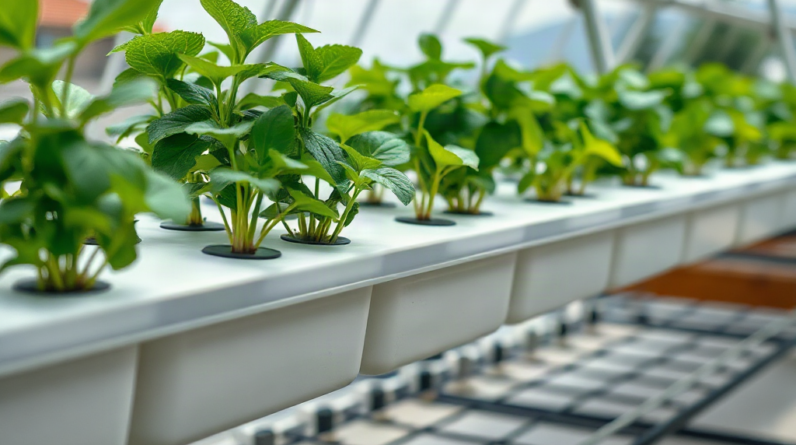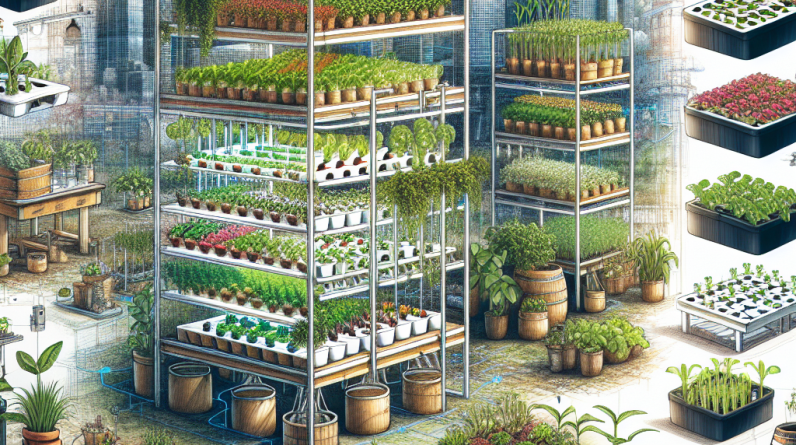
To determine the optimal time for harvesting hydroponic crops, closely observe indicators like plant maturity, size, and color. Each crop has a unique growth cycle; for instance, leafy greens are usually ready in 30 to 45 days, while fruiting plants may take longer. Look for vibrant colors and appropriate sizes to ensure the best flavor and nutritional value. A common mistake is harvesting too early, which can lead to underdeveloped produce, or waiting too long, risking overripe crops that lose quality. Regular monitoring during the growth cycle is essential for pinpointing the ideal harvest window.
Understanding Plant Maturity
Plant maturity is a critical factor in deciding when to harvest hydroponic crops. Each plant species has a specific growth cycle, and understanding these cycles helps ensure the best yield. For instance, leafy greens like lettuce are typically ready for harvest within 30 to 45 days after planting, while fruiting plants such as tomatoes may take longer. Maturity is often indicated by the plant’s overall health and development. Assessing the maturity stage not only affects the flavor but also impacts the nutritional value of the crops.
Understanding the growth stages of your crops is essential. For example, many hydroponic growers use a calendar system to track the days since planting, making it easier to anticipate harvest times. However, it’s important to remember that environmental factors such as light, temperature, and nutrient availability can influence growth rates, so adjustments may be necessary. Regular monitoring of plants during their growth cycle can help you identify the optimal harvest window.
Assessing Color and Size
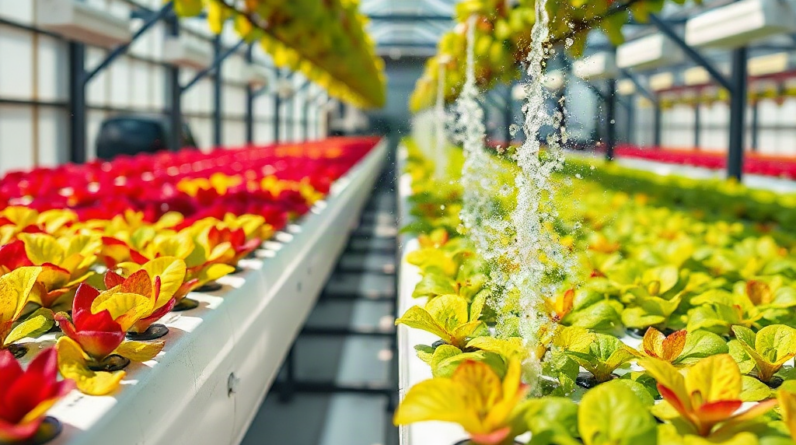
Color and size are two visual indicators that play a significant role in deciding when to harvest hydroponic crops. For many plants, vibrant colors indicate ripeness. For example, bell peppers should be harvested when they reach their full color, ranging from green to red, depending on the variety. Similarly, fruits like strawberries should be bright red and uniformly colored before harvesting.
Size is equally important; crops should reach a certain size for optimal taste and texture. For instance, cucumbers should be firm and about 6 to 8 inches long, while basil leaves should be harvested when they are large enough to be flavorful but before they flower. Regularly checking size and color as the harvest date approaches can help prevent premature or late harvesting, ensuring that crops are at their peak quality.
Timing Strategies for Different Crops
Different hydroponic crops have unique timing strategies for harvesting. For quick-growing crops like radishes and lettuce, a shorter growing period allows for more frequent harvesting. These crops are typically harvested when they reach full size, usually within a few weeks of planting. Conversely, longer-growing crops such as peppers and tomatoes require more patience and careful observation to determine the right time to harvest.
Implementing staggered planting can also be beneficial. By planting crops at intervals, you can ensure a continuous harvest without overwhelming yourself with too much produce at once. This method allows for better management of crop maturity and harvesting times, leading to fresher produce and reduced waste. Additionally, understanding the specific timing needs of each crop will help you plan your harvesting schedule more effectively.
Common Mistakes in Harvest Timing
One of the most common mistakes in deciding when to harvest hydroponic crops is not paying attention to the signs of maturity. Many growers may harvest too early, resulting in crops that lack flavor and nutrients. Conversely, waiting too long can lead to overripe produce that is more susceptible to pests and diseases, as well as a decline in taste and texture.
Another mistake is neglecting to consider environmental factors that affect growth. For instance, fluctuations in light and nutrient levels can accelerate or delay maturity. Keeping a close eye on these factors and adjusting your care routine accordingly can help ensure that you harvest at the right time. Regularly inspecting your crops and maintaining optimal growing conditions will ultimately lead to a more successful harvest.
Frequently Asked Questions
What are the signs that hydroponic crops are ready for harvest?
Signs include the plant's maturity based on its growth cycle, changes in color, and achieving the desired size for optimal flavor and nutrition.
How can I tell if my leafy greens are ready to harvest?
Leafy greens should be harvested when the leaves are fully developed, vibrant in color, and before they start to flower.
Is there a best time of day to harvest hydroponic crops?
The best time to harvest is in the morning after the dew has dried, as this helps retain moisture and prolong freshness.
What happens if I harvest crops too early?
Harvesting too early can result in crops that are underdeveloped, lacking in flavor, and lower in nutritional value.
How can I improve my harvest timing?
Regularly monitor your crops for signs of maturity, utilize a planting schedule, and consider environmental factors affecting growth.
Further Reading
Authoritative Sources
- USDA National Institute of Food and Agriculture
nifa.usda.govResearch and extension resources related to agriculture, plants, soil, and food systems
- Extension Foundation Gardening Resources
extension.orgUniversity extension education resources for practical gardening and home agriculture topics
- USDA Natural Resources Conservation Service
nrcs.usda.govSoil, water, conservation, and land management resources for practical growing decisions
Conclusion
Deciding when to harvest hydroponic crops hinges on understanding plant maturity, assessing size and color, and implementing effective timing strategies. By closely monitoring these indicators, growers can enhance the quality and flavor of their produce while minimizing common mistakes associated with premature or delayed harvesting. Prioritize regular inspections and adapt your harvesting techniques to ensure a successful and fruitful yield.