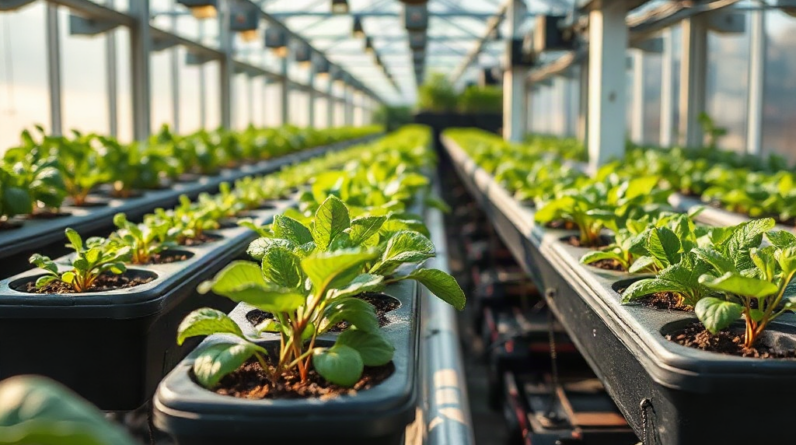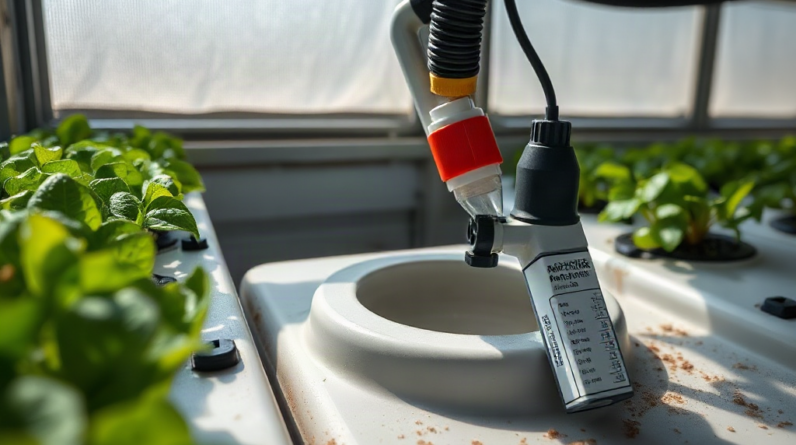
Easy hydroponic gardening ideas encompass various straightforward techniques such as mason jar systems, nutrient film techniques, and vertical gardening. These methods are perfect for maximizing limited indoor space while allowing you to cultivate fresh herbs and vegetables throughout the year. For beginners, starting with low-maintenance plants like lettuce or basil can enhance your confidence and success. It's essential to monitor water levels and provide adequate light to prevent common pitfalls, such as overwatering or insufficient illumination, which can hinder plant growth.
Mason Jar Hydroponics: A Simple Introduction
Mason jar hydroponics is one of the easiest methods for beginners to start their hydroponic journey. This technique involves using a mason jar filled with a nutrient solution to support the growth of plants like herbs. The simplicity of this setup allows for easy monitoring and maintenance, making it ideal for those new to hydroponics.
To set up a mason jar system, first, fill the jar with water and add a hydroponic nutrient solution according to the manufacturer’s instructions. Next, place a net pot filled with a growing medium, such as clay pellets, into the jar, ensuring that the bottom touches the nutrient solution. This setup provides both support and nutrients for the plant. Common mistakes include over-filling the jar or not ensuring adequate light, so it’s essential to monitor the water levels and provide sufficient grow light.
Nutrient Film Technique: Efficient Growing
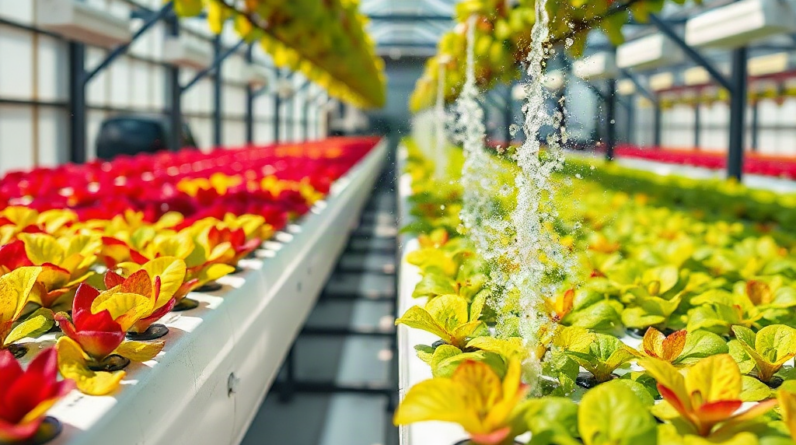
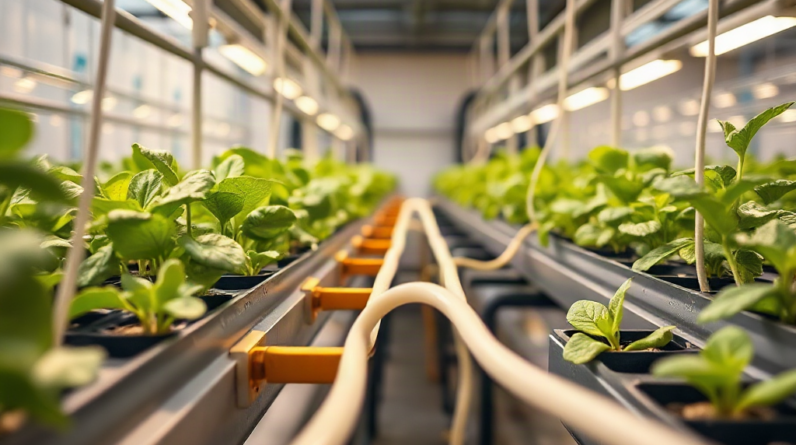
The Nutrient Film Technique (NFT) is a popular hydroponic method that allows for efficient nutrient delivery to plants. It involves a thin film of nutrient-rich water flowing over the roots of the plants, which are supported by a sloped channel. This system is particularly effective for fast-growing crops like lettuce and herbs.
To implement NFT, you will need a channel, a pump, and a reservoir for the nutrient solution. The key is to maintain a steady flow of the nutrient solution while ensuring the roots receive enough oxygen. A common pitfall in NFT systems is pump failure, which can lead to root suffocation. Regular checks and maintenance of the pump and water levels are crucial for success.
Vertical Gardening: Maximizing Space
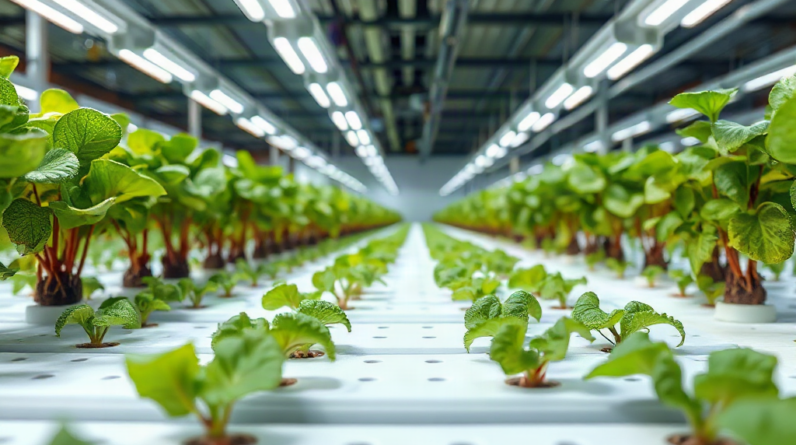
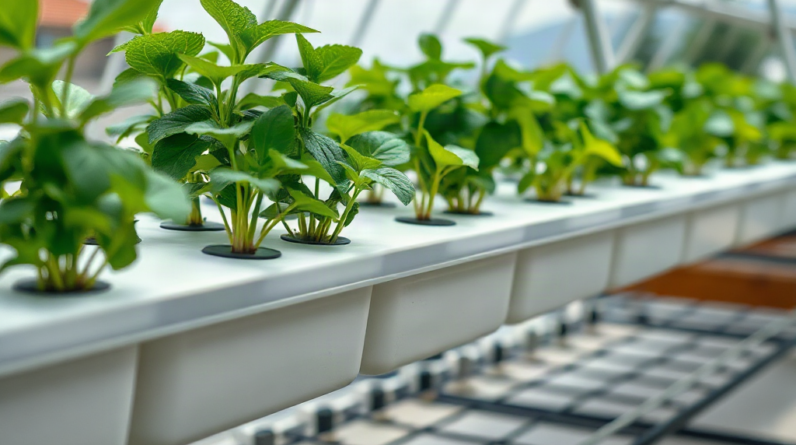
Vertical gardening is an innovative way to maximize space in hydroponic systems, especially for urban gardeners with limited room. This method involves stacking planters or using wall-mounted systems to grow plants upwards rather than outwards. Vertical gardens can be designed using various materials, including PVC pipes, pallets, or commercial vertical gardening kits.
The primary advantage of vertical gardening is the ability to grow a larger number of plants in a smaller footprint. However, it requires careful planning regarding light exposure and water distribution. Ensuring that each plant receives adequate light and nutrients can be challenging, particularly in tightly packed systems. Regular monitoring and adjustments may be necessary to maintain optimal growing conditions.
Choosing the Right Plants for Hydroponics
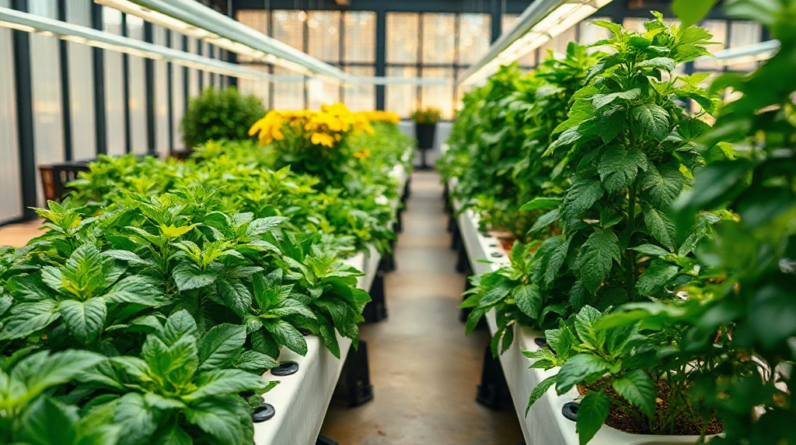
Selecting the right plants is crucial for successful hydroponic gardening. Beginners should focus on low-maintenance crops that thrive in hydroponic systems. Leafy greens, such as lettuce and spinach, are excellent choices due to their fast growth rates and minimal care requirements.
Herbs like basil, mint, and cilantro also perform well in hydroponic setups and can be harvested continuously. It’s important to consider the specific light, temperature, and nutrient needs of each plant type. A common mistake is overcrowding plants, which can lead to competition for light and nutrients, ultimately affecting growth. Spacing plants appropriately and providing adequate light will enhance overall yield and health.
For additional insights into hydroponic gardening, consider exploring reputable sources like the Hydroponics Society or local agriculture extensions that offer resources on hydroponic systems.
Frequently Asked Questions
What is the easiest plant to grow in hydroponics?
Lettuce is often considered the easiest plant to grow in hydroponics due to its fast growth rate and low maintenance needs.
How often should I change the water in my hydroponic system?
It's recommended to change the water every two weeks to prevent nutrient depletion and algae growth.
Can hydroponic systems work indoors?
Yes, hydroponic systems are highly effective indoors, provided there is adequate lighting and temperature control.
What nutrients do hydroponic plants need?
Hydroponic plants require a balanced nutrient solution that includes nitrogen, phosphorus, potassium, calcium, magnesium, and trace minerals.
Is hydroponic gardening expensive to start?
While initial setup costs can vary, there are budget-friendly options available, making it accessible for beginners.
Further Reading
Authoritative Sources
- USDA National Institute of Food and Agriculture
nifa.usda.govResearch and extension resources related to agriculture, plants, soil, and food systems
- Extension Foundation Gardening Resources
extension.orgUniversity extension education resources for practical gardening and home agriculture topics
- USDA Natural Resources Conservation Service
nrcs.usda.govSoil, water, conservation, and land management resources for practical growing decisions
Conclusion
Implementing easy hydroponic gardening ideas can lead to a rewarding and productive indoor gardening experience. By starting with simple systems like mason jars and exploring techniques such as NFT and vertical gardening, you can maximize your space and yield. Choosing the right plants and maintaining appropriate conditions are essential for success. As you gain experience, you may explore more complex systems and crops, enhancing your hydroponic skills and enjoyment.