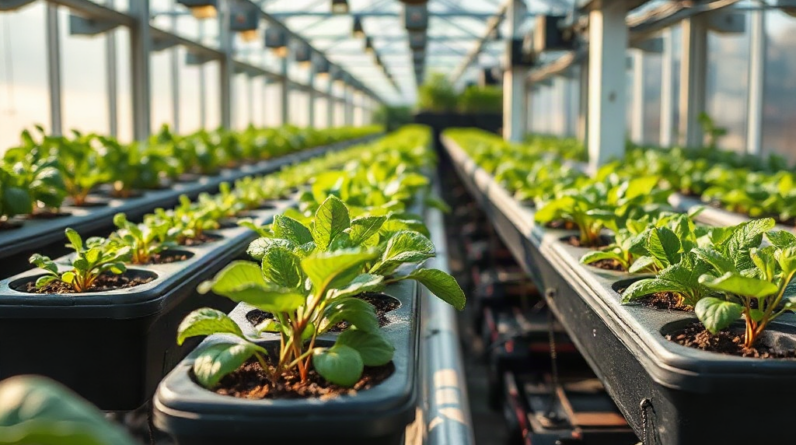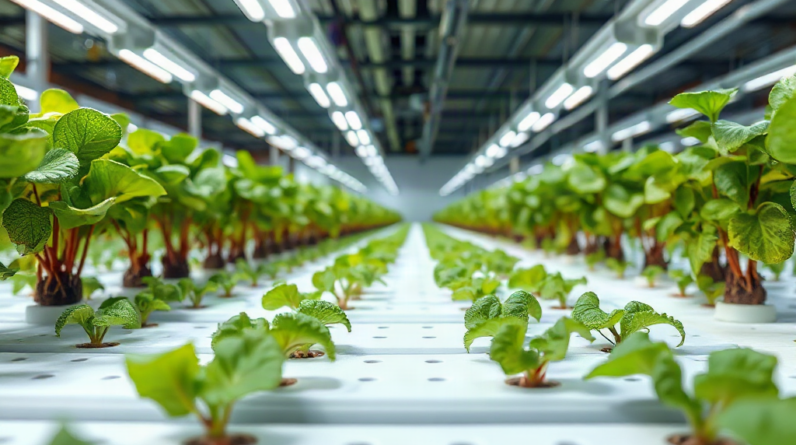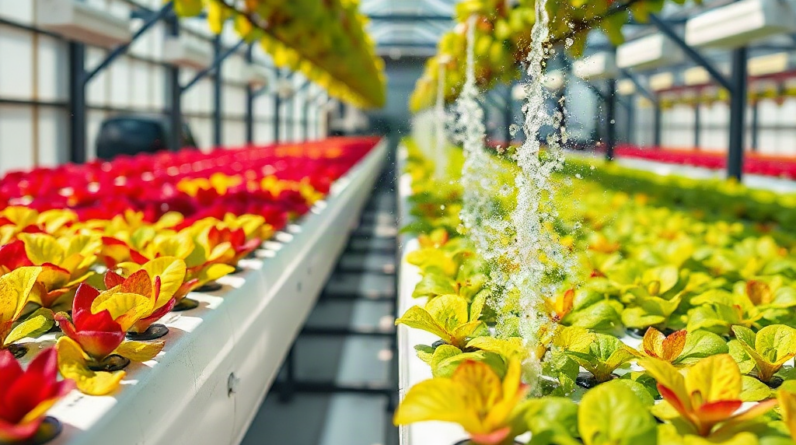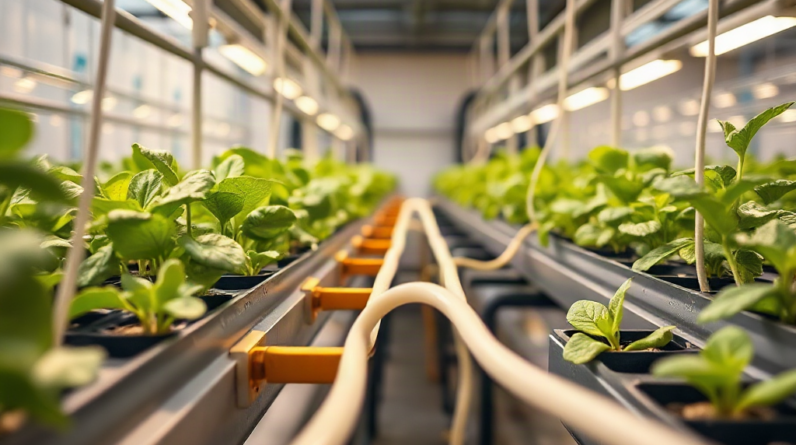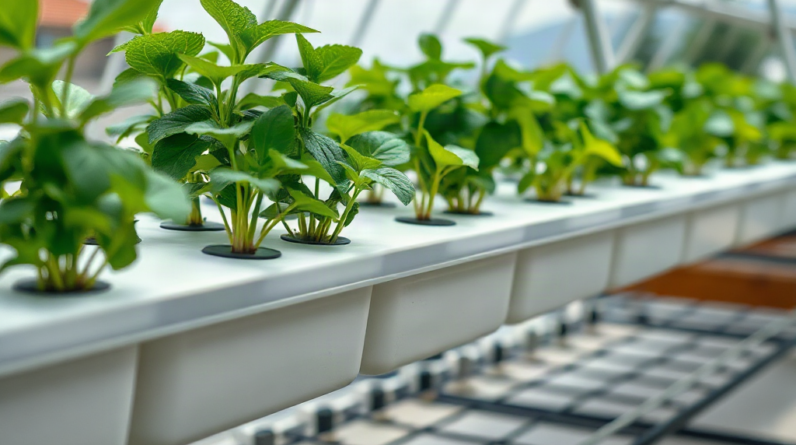
Easy hydroponic gardening ideas can transform your approach to growing plants by providing effective methods that require minimal resources. Techniques such as the Kratky method and nutrient film technique allow you to cultivate plants without soil, focusing instead on nutrient-rich water. These systems are especially well-suited for beginners, as they are simple to set up and maintain, making it easier to achieve successful harvests.
When starting your hydroponic journey, consider the types of plants you wish to grow. Fast-growing crops like lettuce, herbs, and spinach are ideal for beginners, as they establish quickly and can be harvested in just a few weeks. This not only provides immediate gratification but also helps you build your confidence in managing a hydroponic system. Additionally, it is crucial to ensure proper lighting, water quality, and nutrient balance to foster healthy plant growth.
Understanding Hydroponic Systems
Hydroponic systems offer various methods for growing plants without soil, each with unique benefits and challenges. The most popular systems include deep water culture, nutrient film technique, and aeroponics. Each method varies in complexity and resource requirements, so understanding the differences can help you choose the best approach for your gardening goals.
For instance, deep water culture involves suspending plant roots in nutrient-rich water, while nutrient film technique employs a thin film of nutrients flowing over the roots. Beginners often find deep water culture easier to manage, as it requires less frequent adjustments compared to other systems. Familiarizing yourself with these systems will guide your decision-making process when setting up your garden.
Simple Hydroponic Setups for Beginners
Creating a hydroponic garden doesn’t have to be complicated or expensive. Simple setups like the Kratky method involve using a container filled with nutrient solution and placing plants directly into it. This passive system requires little maintenance and can be easily expanded as you gain experience.
Another beginner-friendly option is the use of a vertical garden. Vertical systems maximize space and can be constructed using inexpensive materials like PVC pipes or stacked containers. These setups not only save space but also enhance air circulation and light exposure, promoting healthier plant growth. As you experiment with these methods, which works best for your environment.
Choosing the Right Plants
Selecting the right plants for your hydroponic system is crucial for success. Leafy greens and herbs are generally recommended for beginners due to their fast growth rates and adaptability to various hydroponic methods. Varieties like basil, cilantro, and kale thrive in these systems and can be harvested multiple times.
Additionally, consider the environmental conditions in your space, such as light availability and temperature. Some plants may require more light or specific temperature ranges to flourish. By understanding the needs of your chosen plants, you can ensure a successful hydroponic experience.
Common Mistakes to Avoid
Even with the best intentions, beginners can make mistakes that hinder plant growth. One common pitfall is neglecting water quality, which can lead to nutrient imbalances and unhealthy plants. Regularly check pH and nutrient levels to maintain optimal conditions.
Another mistake is overcrowding plants, which can restrict airflow and lead to disease. Ensure adequate spacing between plants to promote healthy growth and reduce competition for resources. Being mindful of these common mistakes will help you create a thriving hydroponic garden.
For those looking to expand their knowledge on hydroponic gardening, consider exploring reputable gardening websites, online courses, and forums dedicated to hydroponic practices. These resources can provide valuable insights and tips from experienced gardeners.
Frequently Asked Questions
What are some easy crops to grow in hydroponics?
Easy crops for hydroponics include leafy greens like lettuce, spinach, and herbs such as basil and cilantro. These plants grow quickly and adapt well to hydroponic systems.
How much space do I need for a hydroponic garden?
The space required depends on the type of hydroponic system and the number of plants you want to grow. Simple setups can be done in small spaces, such as a kitchen countertop or balcony.
Do I need special equipment for hydroponic gardening?
While some advanced systems require specialized equipment, beginners can start with basic materials like containers, nutrient solutions, and grow lights.
How often should I change the nutrient solution?
It’s recommended to change the nutrient solution every two weeks to prevent nutrient buildup and ensure optimal plant health.
Can I grow hydroponic plants indoors?
Yes, hydroponic gardening is ideal for indoor environments, especially when using grow lights to provide adequate light for plant growth.
Further Reading
Authoritative Sources
- This Easy Hydroponic Method Is Perfect For Beginners
migardener.comHowever, the Kratky method cuts away any complications and makes the plant do all of the work for you. This simple system requires no air pumps, ...
- Building a DIY hydroponic gardening system
viam.comThe Kratky method is a passive form of hydroponics, making it ideal for beginners or anyone looking for a simple, cost-effective setup.
- Hydroponics - at Home and for Beginners
instructables.comThe most interesting method involves suspending your plants in mid-air and spraying the root system very frequently (aka aeroponics). Drip systems are also ...
- DIY Hydroponics: Setting up an Easy Mason Jar Garden
diydanielle.comLearn how to create a DIY hydroponics garden with mason jars and garden equipment! It's easy to set up and maintain: perfect for beginners.
Conclusion
Incorporating easy hydroponic gardening ideas into your home can lead to a rewarding and efficient growing experience. By starting with simple systems and selecting fast-growing crops, you can quickly gain confidence in your gardening skills. Remember to monitor water quality, avoid overcrowding, and adjust your setup as needed to create a thriving hydroponic environment. As you explore this method, you may find new opportunities to expand your garden and experiment with different plants.