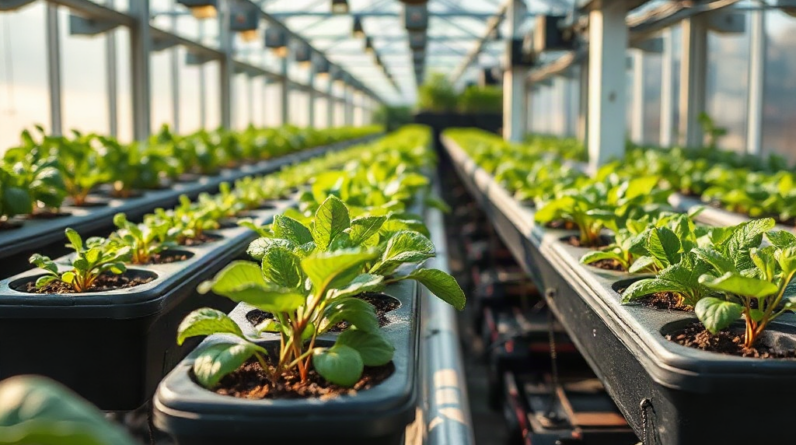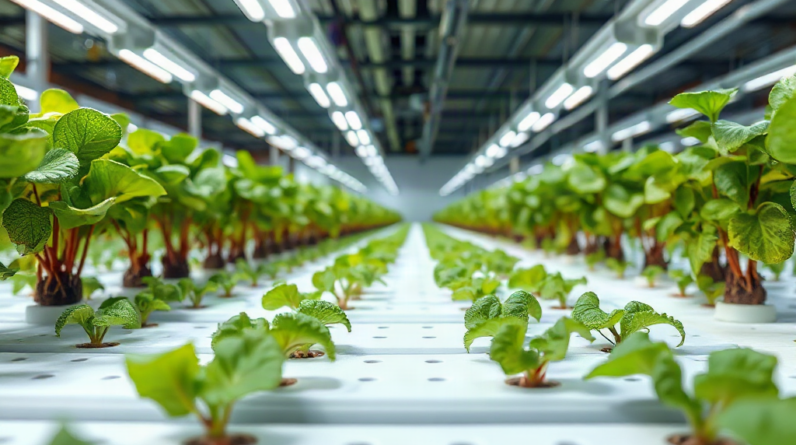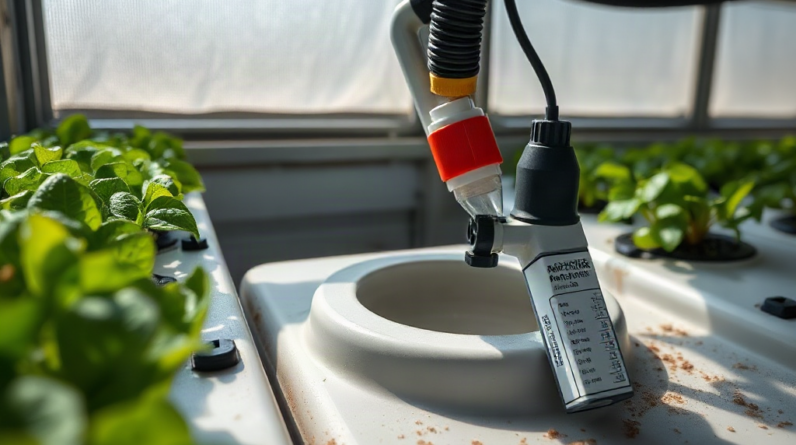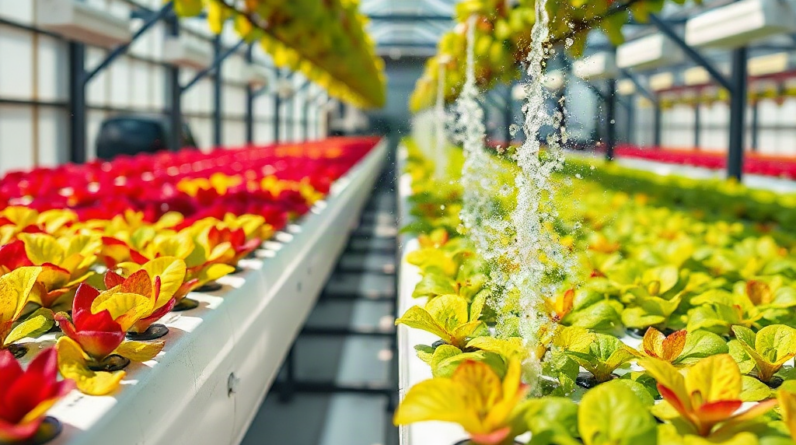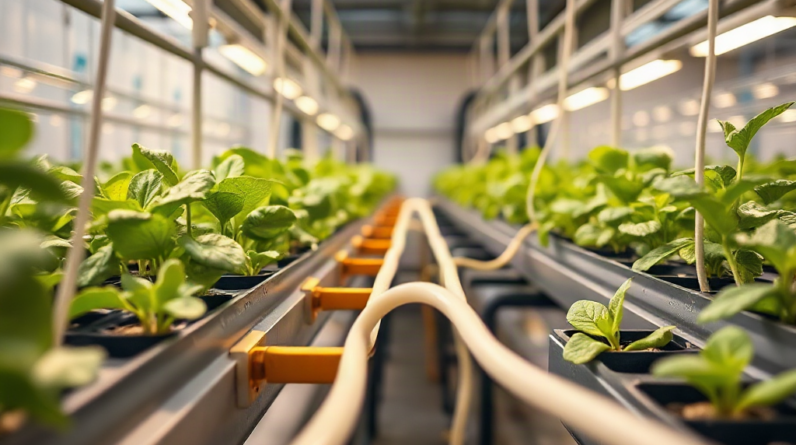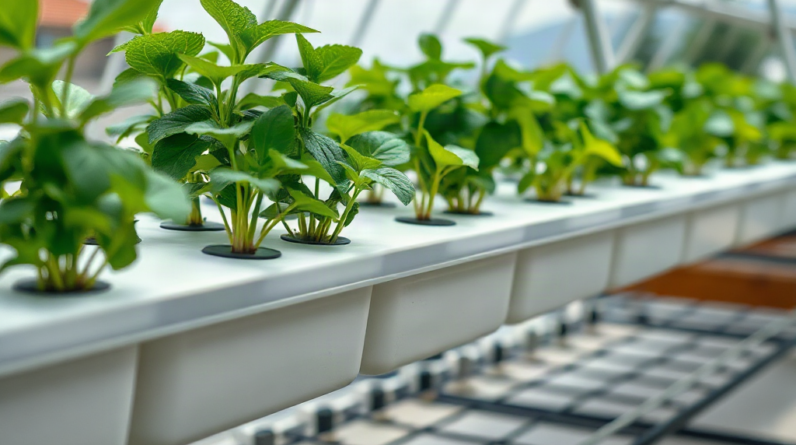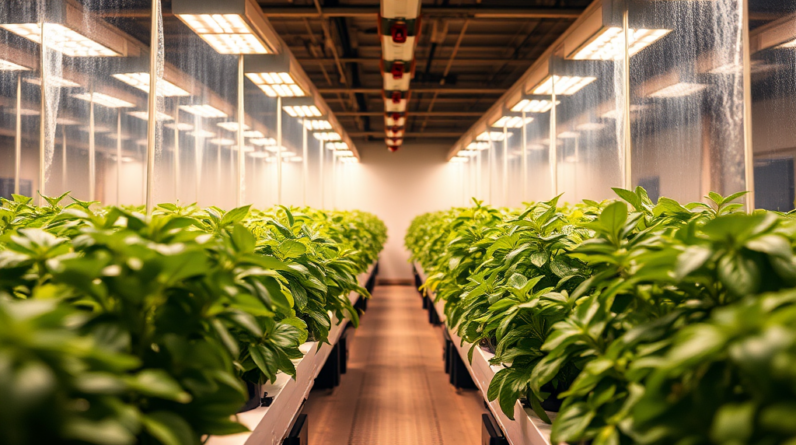
Humidity levels have a profound impact on hydroponic plants, influencing their growth, nutrient uptake, and overall health. Maintaining humidity between 40% and 70% is essential; exceeding this range can lead to reduced transpiration and increased risks of mold and mildew, while lower levels can cause dehydration and stress. Growers should regularly monitor humidity and consider using dehumidifiers or humidifiers to maintain optimal conditions. Additionally, ensuring good air circulation can help mitigate the negative effects of high humidity, promoting healthier plants and better yields.
Understanding Humidity in Hydroponics
Humidity refers to the amount of water vapor present in the air, and it plays a critical role in hydroponic systems. In hydroponics, plants rely on their environment to regulate water uptake and transpiration. Humidity levels can directly influence these processes, affecting plant growth, nutrient absorption, and overall health. Generally, optimal humidity for most hydroponic plants falls between 40% and 70%. Understanding how to manage humidity levels can lead to healthier plants and improved yields.
Humidity affects how plants transpire, which is the process of losing water vapor through their leaves. When humidity is too high, plants may transpire less, leading to reduced nutrient uptake and potential issues with fungal diseases. Conversely, low humidity can cause plants to lose water rapidly, leading to stress and dehydration. Therefore, monitoring and adjusting humidity levels is essential for successful hydroponic gardening.
Impact of High Humidity on Plant Health
High humidity levels, while beneficial for some plants, can create a challenging environment for others. When humidity exceeds 70%, it can lead to decreased transpiration rates. This reduction can hinder the plant’s ability to absorb nutrients effectively. Furthermore, excessive moisture in the air creates a favorable condition for mold and mildew, which can devastate crops and reduce yields.
For example, if a hydroponic system is operating in an environment with high humidity, growers may notice signs of wilting or yellowing leaves, indicating nutrient deficiencies. Additionally, the risk of diseases such as powdery mildew increases, which can spread rapidly in humid conditions. To combat these issues, growers should consider implementing dehumidifiers or improving air circulation within their growing environment.
Consequences of Low Humidity
Conversely, low humidity can also be detrimental to hydroponic plants. Humidity levels below 40% can lead to excessive transpiration, causing plants to lose water faster than they can absorb it. This situation creates stress, resulting in wilting, leaf curl, and stunted growth. In extreme cases, prolonged low humidity can lead to plant death.
Plants experiencing low humidity may also struggle to take up nutrients efficiently. For instance, if the air is too dry, the plants’ stomata may close to conserve water, limiting their ability to absorb essential minerals from the nutrient solution. It’s crucial for hydroponic growers to monitor humidity levels and respond quickly to any fluctuations to prevent these adverse effects.
Maintaining Optimal Humidity Levels
To maintain optimal humidity levels in a hydroponic system, growers should regularly monitor environmental conditions. Using hygrometers can provide real-time data on humidity levels, allowing for timely adjustments. When humidity levels are too high, increasing airflow through fans or utilizing dehumidifiers can help reduce moisture in the air. On the other hand, if humidity is too low, misting plants or using humidifiers can create a more favorable environment.
It’s also essential to consider the plant species being grown, as different plants may have varying humidity requirements. For example, tropical plants may thrive in higher humidity, while others may prefer drier conditions. Adjusting humidity based on specific plant needs can lead to healthier growth and better yields.
Frequently Asked Questions
What is the ideal humidity level for hydroponic plants?
The ideal humidity level for most hydroponic plants ranges between 40% and 70%, depending on the specific plant species.
How does high humidity affect hydroponic plants?
High humidity can reduce transpiration rates, leading to nutrient uptake issues and increased risks of mold and mildew.
What are the symptoms of low humidity in hydroponic plants?
Symptoms include wilting, leaf curl, and stunted growth, as plants lose water faster than they can absorb it.
How can I increase humidity in my hydroponic system?
You can increase humidity by misting plants, using humidifiers, or placing water trays near plants to evaporate moisture.
What tools can help monitor humidity levels?
Hygrometers are essential tools for monitoring humidity levels in hydroponic systems, providing accurate readings for adjustments.
Further Reading
Authoritative Sources
- Hydroponics World
hydroponicsworld.comThis resource offers in-depth articles on humidity management in hydroponics, providing practical tips for growers
- USDA Plant Health
usda.govThe USDA provides guidelines on plant health and environmental management, including humidity considerations
- University Extension
extension.orgA comprehensive resource for agricultural practices, including humidity management in hydroponic systems
Conclusion
Maintaining the right humidity levels is crucial for the health and productivity of hydroponic plants. Both high and low humidity can lead to significant challenges, including nutrient uptake issues and increased disease risks. By understanding the implications of humidity and actively managing environmental conditions, hydroponic growers can foster healthier plants and maximize their yields. Implementing regular monitoring and adjustments will ensure that plants thrive in their hydroponic systems.