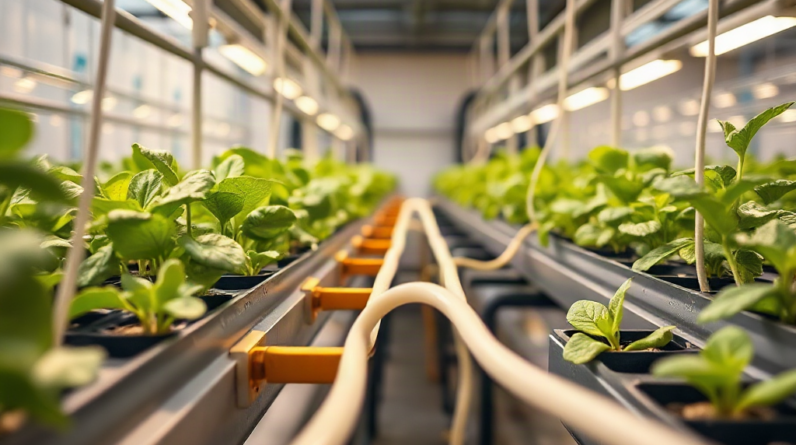
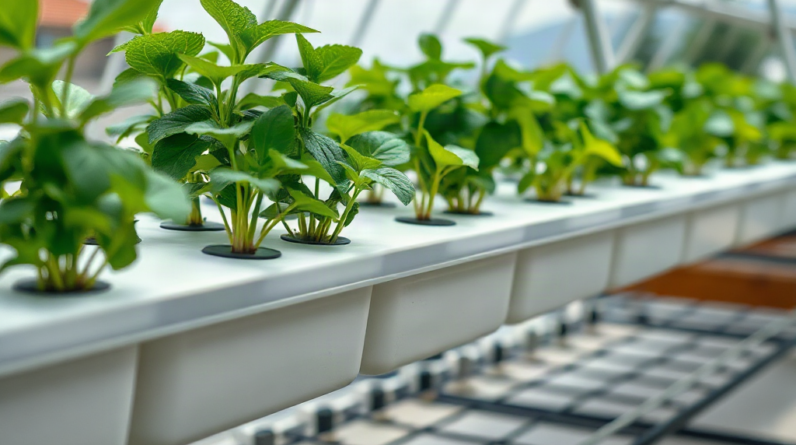
A home hydroponic vegetable system enables you to cultivate fresh vegetables indoors without soil, utilizing a nutrient-rich water solution. This method accelerates growth and minimizes pest issues, allowing for continuous gardening throughout the year. To establish an effective system, select vegetables that thrive in hydroponics, maintain adequate lighting, and monitor nutrient levels carefully. A common pitfall is neglecting to check the pH of the nutrient solution, which can adversely affect plant health. Regularly adjusting pH levels and ensuring proper watering can significantly enhance your gardening success.
Understanding Hydroponics
Hydroponics is a method of growing plants without soil, using nutrient-rich water to supply essential nutrients directly to the roots. This technique is gaining popularity among home gardeners due to its efficiency and ability to produce rapid growth. By eliminating soil, you reduce the risk of soil-borne diseases and pests, allowing for cleaner and healthier vegetables. Hydroponic systems can be set up indoors, making it possible to grow fresh produce year-round, regardless of outdoor conditions.
The key to successful hydroponics lies in understanding the nutrient solution and how it interacts with the plants. Plants absorb nutrients dissolved in water, which allows them to grow faster compared to traditional soil gardening. Furthermore, hydroponics can save space, making it ideal for urban gardening where land is limited.
Essential Components of a Hydroponic System
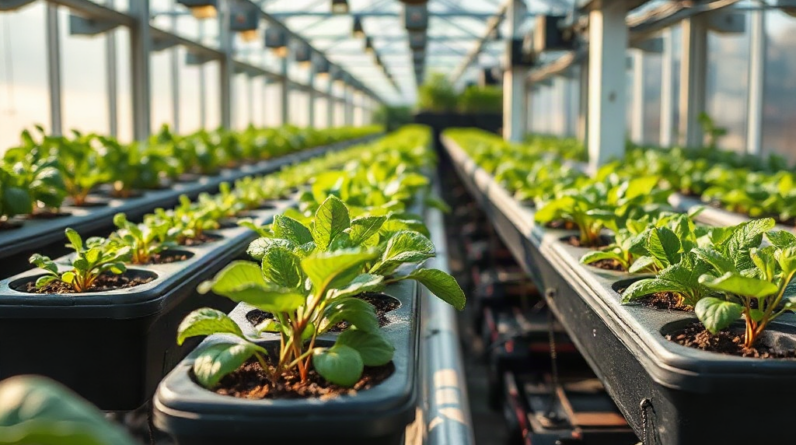
A home hydroponic vegetable system typically consists of several essential components: a growing medium, a nutrient solution, a reservoir, a pump, and a light source. Each of these elements plays a crucial role in the growth and health of your plants.
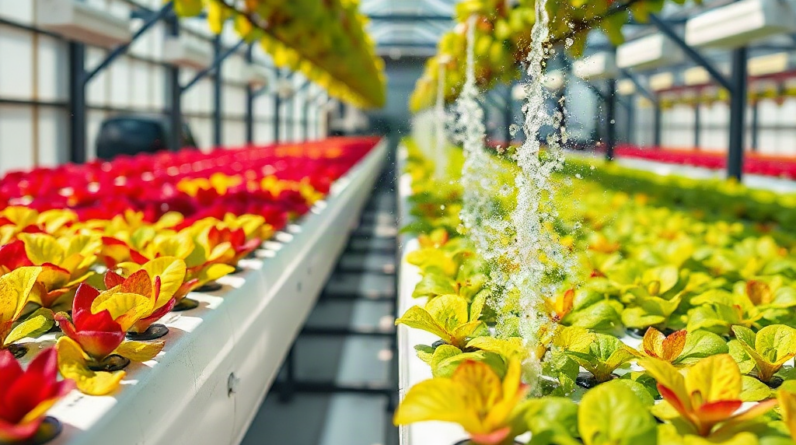
The growing medium, such as rock wool, clay pellets, or coconut coir, supports the plants and retains moisture while allowing for adequate drainage and aeration. The nutrient solution, which can be purchased or mixed at home, provides the necessary minerals and vitamins that plants need to thrive. A reservoir holds the nutrient solution, and a pump circulates it through the system, ensuring that the roots receive adequate nourishment.
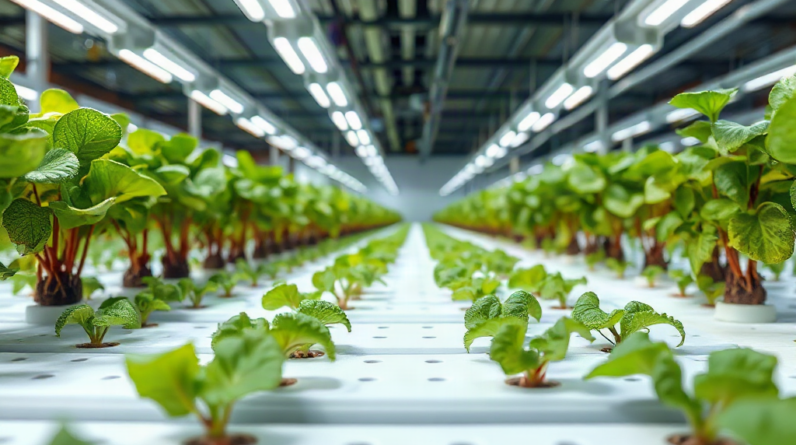
Light is another critical component, especially if you are growing indoors. LED grow lights are popular among hydroponic gardeners due to their energy efficiency and ability to provide the specific light spectrum that plants need for photosynthesis. Proper light placement and timing are essential for optimal growth.
Choosing the Right Vegetables
When starting with a home hydroponic vegetable system, selecting the right vegetables is crucial for success. Leafy greens such as lettuce, spinach, and kale are excellent choices for beginners due to their quick growth and adaptability to hydroponic systems. Other suitable options include herbs like basil, cilantro, and mint, which can thrive in nutrient-rich water.
More advanced growers may experiment with fruiting plants such as tomatoes, peppers, or cucumbers. However, these plants may require additional care, including support structures and more attention to light and nutrient levels. It’s essential to research each vegetable’s specific needs, including their ideal pH levels and nutrient requirements, to ensure a successful harvest.
Common Mistakes to Avoid
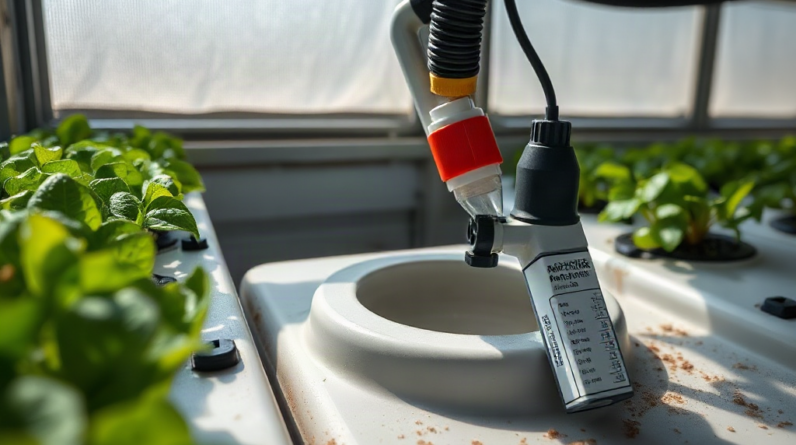
Even experienced hydroponic gardeners can make mistakes that adversely affect their plants. One common issue is neglecting to monitor the pH levels of the nutrient solution. Most vegetables thrive in a pH range of 5.5 to 6.5, and deviations can lead to nutrient deficiencies or toxicities. Regularly testing and adjusting pH levels is vital for plant health.
Another frequent mistake is overwatering or underfeeding. While hydroponics eliminates the need for soil, plants still require a balanced nutrient solution. Overfeeding can lead to root burn, while underfeeding can stunt growth. It’s essential to follow a nutrient schedule and adjust based on the plants’ growth stages.
Lastly, inadequate lighting can hinder photosynthesis, leading to weak and leggy plants. Ensure that your light source is appropriate for the type of plants you are growing, and maintain the correct distance to provide sufficient light without causing heat stress.
Frequently Asked Questions
What is hydroponics?
Hydroponics is a method of growing plants without soil, using nutrient-rich water to deliver essential nutrients directly to the roots.
Can I grow any vegetable in a hydroponic system?
While many vegetables can be grown hydroponically, leafy greens and herbs are often the easiest for beginners, while fruiting plants may require more experience.
How often should I change the nutrient solution?
It's advisable to change the nutrient solution every two to three weeks to prevent nutrient imbalances and ensure optimal plant growth.
What lighting is best for hydroponic gardening?
LED grow lights are highly recommended for hydroponic gardening due to their energy efficiency and ability to provide the necessary light spectrum for plant growth.
How can I prevent pests in my hydroponic system?
Regularly inspect your plants, maintain cleanliness, and consider introducing beneficial insects or organic pest control methods to prevent infestations.
Further Reading
Authoritative Sources
- Hydroponics World
hydroponicsworld.comA comprehensive resource for hydroponic techniques, systems, and plant care
- USDA – Hydroponics
usda.govOfficial guidelines and research on hydroponic agriculture from the U.S. Department of Agriculture
- Purdue University Horticulture
hort.purdue.eduResearch and resources on hydroponic systems and plant nutrition
Conclusion
Setting up a home hydroponic vegetable system offers a unique opportunity to enjoy fresh produce year-round. By understanding the essential components, selecting the right vegetables, and avoiding common mistakes, you can create a thriving indoor garden. Regular monitoring of nutrient levels, pH, and environmental conditions will help ensure successful growth. Start your hydroponic journey today and experience the benefits of home gardening without the constraints of soil.