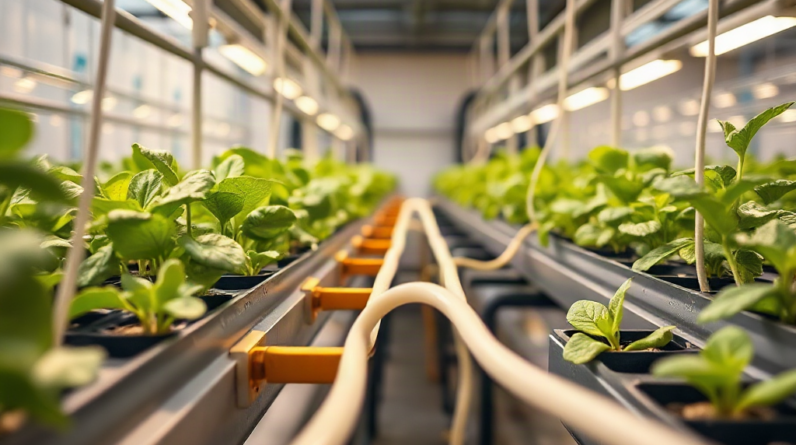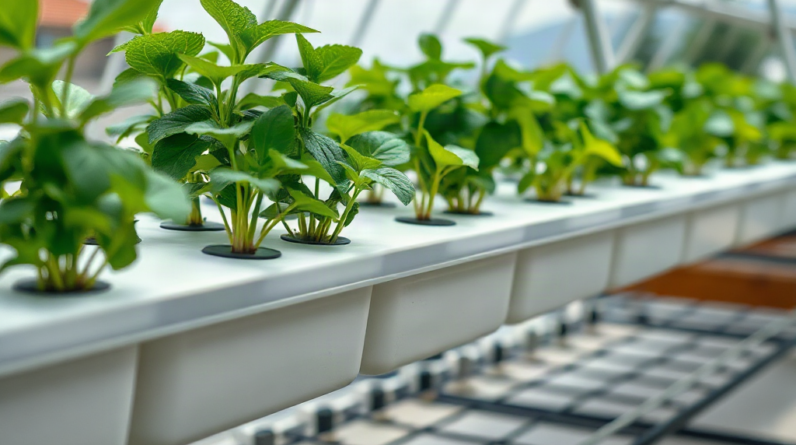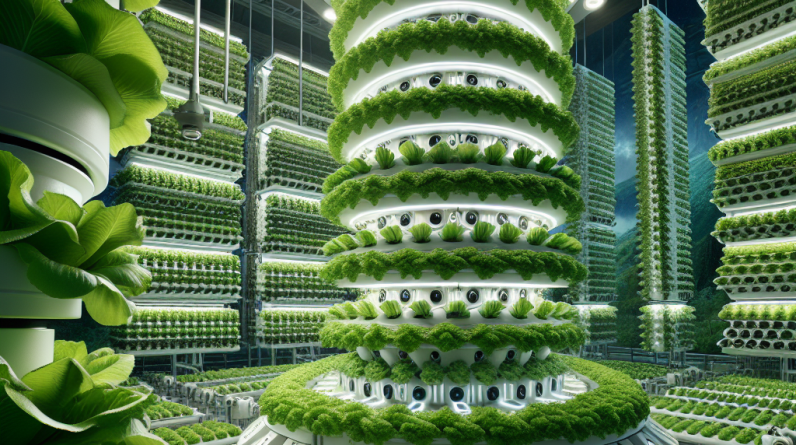
Timing issues with hydroponic crop cycles can severely impact plant growth and yield. Mismanagement of light schedules, nutrient delivery, and environmental conditions often leads to stunted growth or crop failure. For instance, seedlings that do not receive adequate light during their early stages may become weak and leggy. To avoid these pitfalls, growers should tailor light exposure and nutrient feeding schedules to the specific needs of each crop type. Regular monitoring of environmental parameters is essential to ensure optimal growth conditions throughout the crop cycle.
Understanding Hydroponic Crop Cycles
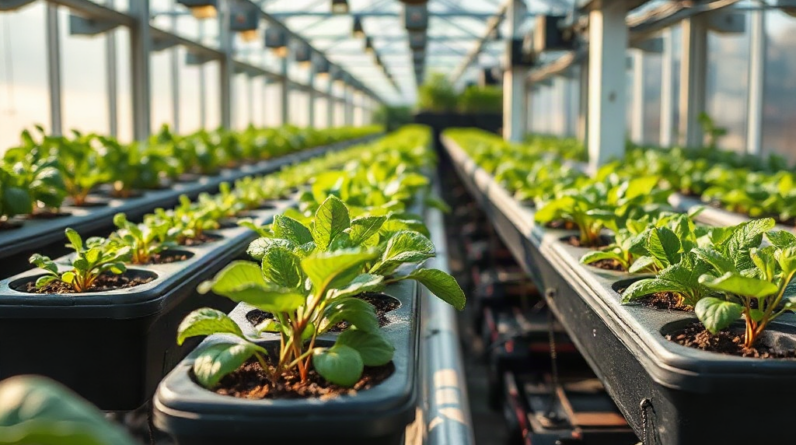
Hydroponic crop cycles refer to the specific periods during which plants grow, mature, and are harvested in a soil-less growing environment. These cycles can be significantly shorter than traditional farming due to controlled conditions. However, they require precise timing to ensure that plants receive the right amount of light, nutrients, and water at each stage of their growth. Misalignment in timing can lead to issues such as delayed harvests or reduced yields.
One common mistake is underestimating the synchronization needed between different growth stages. For example, if seedlings do not receive adequate light during their early growth phase, they may become leggy and weak, impacting their overall health. Understanding the developmental timeline of each crop is essential for effective planning and execution in hydroponics.
Impact of Light Timing on Growth
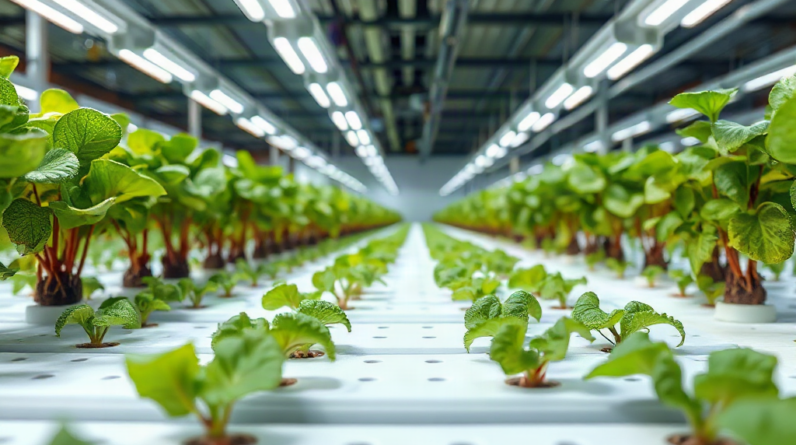
Light is one of the most critical factors influencing the growth of hydroponic plants. The timing and duration of light exposure can greatly affect photosynthesis and, subsequently, plant health. Most hydroponic systems utilize grow lights that can be scheduled to mimic natural sunlight cycles. However, improper timing can lead to issues such as light burn or inadequate growth.
For instance, many growers make the mistake of using a fixed light schedule without accounting for the specific needs of different plants. Leafy greens may thrive on 14-16 hours of light daily, while fruiting plants typically require 18-24 hours. Adjusting the light cycle based on the plant type and stage of growth can improve yields significantly. Regular monitoring of light intensity and adjusting the timing according to the plant’s response can help avoid common pitfalls.
Nutrient Delivery Timing and Its Effects
Nutrient delivery in hydroponic systems must be carefully timed to match the growth stages of the plants. Different growth phases have varying nutrient requirements; for example, seedlings need a different nutrient mix compared to mature plants. Delivering nutrients at the wrong time can lead to deficiencies or toxicities that stunt growth or cause disease.
A common mistake is using a one-size-fits-all approach to nutrient delivery. Growers should tailor their nutrient schedules based on plant growth cycles, environmental conditions, and specific crop requirements. Implementing a responsive feeding schedule that adjusts based on growth observations can lead to healthier plants and improved harvests. Additionally, regular testing of nutrient solutions can help fine-tune the timing and composition of feedings, ensuring optimal growth.
Environmental Factors and Timing
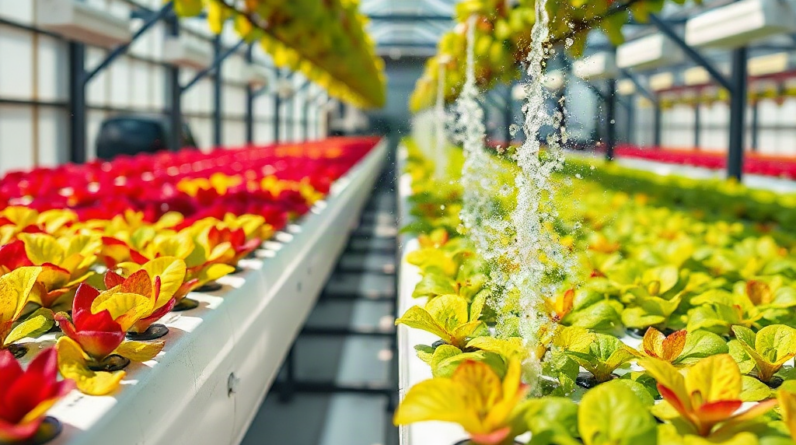
Environmental conditions such as temperature, humidity, and airflow also play a crucial role in hydroponic crop cycles. Each of these factors can affect plant health and growth rates. For example, high temperatures may accelerate growth but can also lead to stress if not monitored. Timing adjustments in environmental controls can help mitigate these risks.
Growers often overlook the importance of timing in environmental management. For instance, adjusting the timing of ventilation and heating can help maintain optimal conditions without causing drastic fluctuations. Setting up automated systems that respond to real-time data can provide a more stable environment, reducing the risk of crop failure. Understanding the interplay between environmental factors and plant needs is essential for successful hydroponic gardening.
Frequently Asked Questions
What are common timing issues in hydroponic gardening?
Common timing issues include improper light schedules, incorrect nutrient delivery timing, and environmental conditions that do not align with plant growth stages.
How can I optimize light timing for hydroponics?
Optimize light timing by matching the light duration to the specific needs of your plants, adjusting based on growth stages, and monitoring light intensity regularly.
What should I consider for nutrient timing?
Consider the different nutrient needs at various growth stages and adjust your feeding schedule accordingly, ensuring that the nutrient mix is appropriate for the plant’s current phase.
How do environmental factors affect hydroponic timing?
Environmental factors such as temperature and humidity can accelerate or hinder plant growth; thus, timing adjustments in ventilation and heating are critical for maintaining optimal conditions.
What are the consequences of poor timing in crop cycles?
Poor timing can lead to stunted growth, lower yields, or crop failure due to inadequate light, nutrients, or unfavorable environmental conditions.
Further Reading
Authoritative Sources
- USDA National Institute of Food and Agriculture
nifa.usda.govResearch and extension resources related to agriculture, plants, soil, and food systems
- Extension Foundation Gardening Resources
extension.orgUniversity extension education resources for practical gardening and home agriculture topics
- USDA Natural Resources Conservation Service
nrcs.usda.govSoil, water, conservation, and land management resources for practical growing decisions
Conclusion
Managing timing issues with hydroponic crop cycles is essential for maximizing yield and ensuring plant health. By understanding the critical aspects of light exposure, nutrient delivery, and environmental management, growers can avoid common pitfalls and optimize their systems. Regular monitoring and adjustments based on plant needs will lead to healthier crops and better harvest outcomes. Start implementing these strategies today to enhance your hydroponic gardening success.