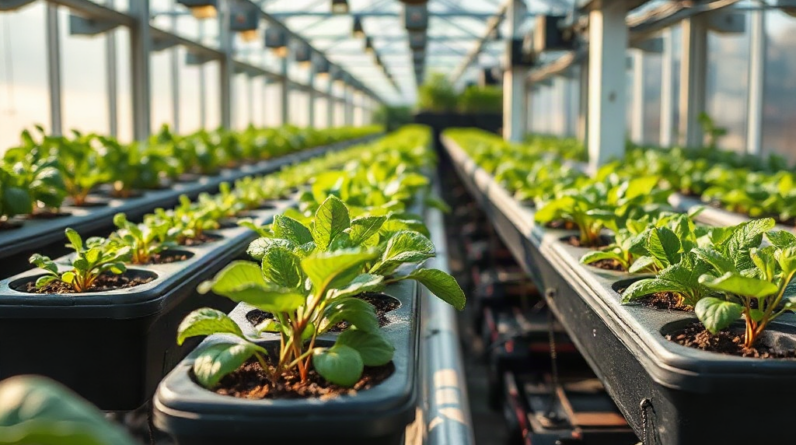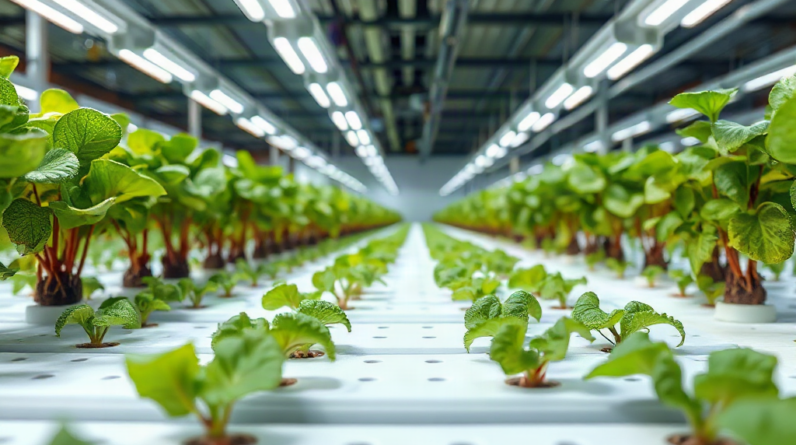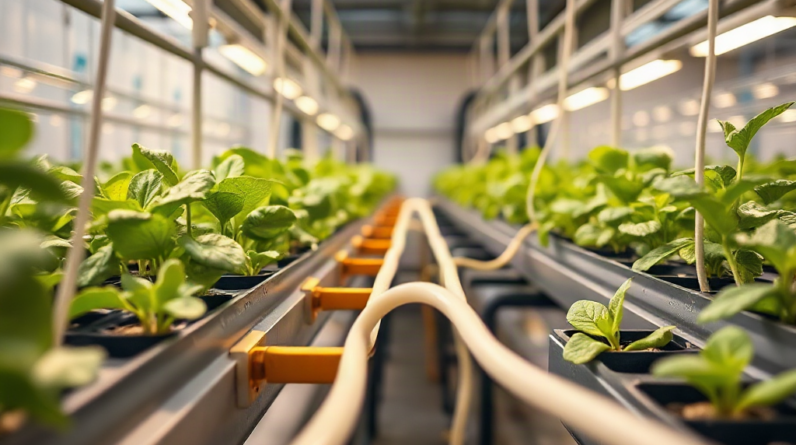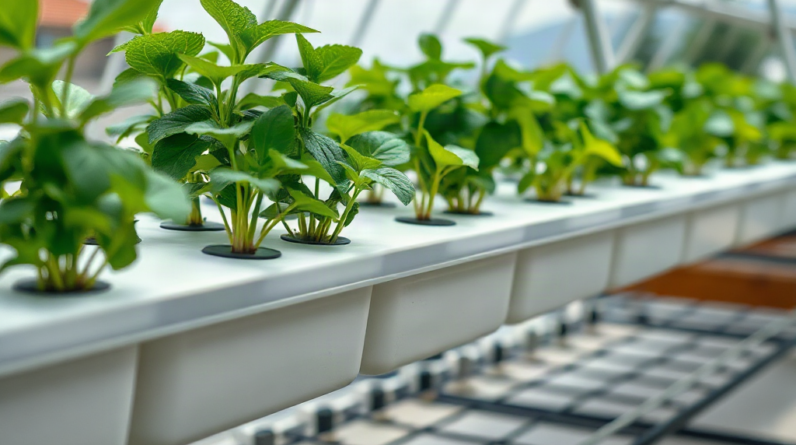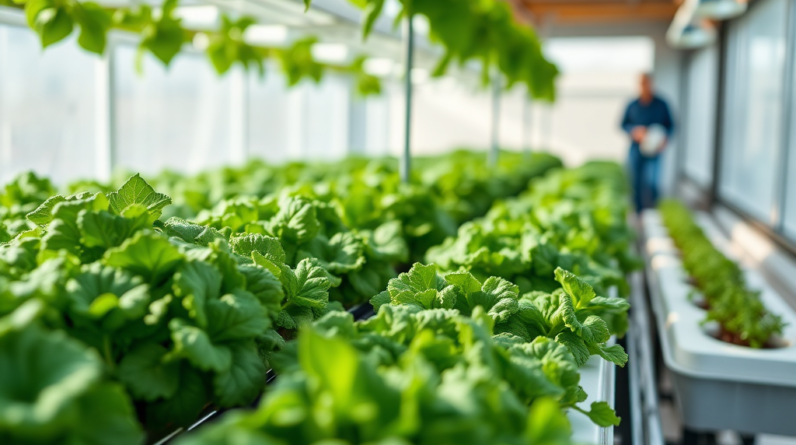
To choose the best hydroponic setup for vegetables, start by evaluating your available space and the specific types of vegetables you want to grow. For instance, if you're interested in larger plants like tomatoes, a deep water culture (DWC) system may be more suitable due to its support and nutrient access. In contrast, leafy greens thrive in systems like nutrient film technique (NFT) or wick systems, which are easier to manage in smaller spaces. Additionally, ensure you have essential equipment such as grow lights, pumps, and pH testing kits to create optimal growing conditions. Avoid common mistakes like overcrowding plants or neglecting nutrient management, as these can hinder growth and yield.
Understanding Hydroponic Systems
Hydroponic systems allow for growing vegetables without soil, using nutrient-rich water instead. This method offers several benefits, including faster growth rates and the ability to grow in limited spaces. Understanding the different types of hydroponic systems—like wick systems, nutrient film technique (NFT), and deep water culture (DWC)—is crucial for selecting the right setup for your needs. Each system has unique advantages and challenges, which can affect your choice based on the types of vegetables you wish to grow.
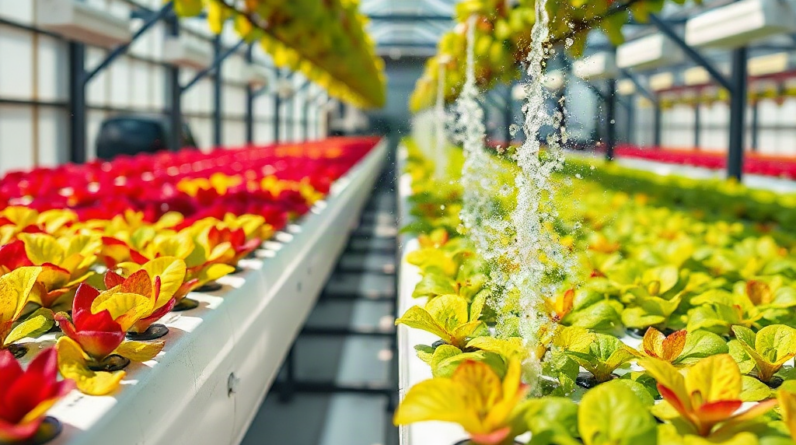
For instance, NFT is excellent for leafy greens because it provides a continuous flow of nutrients, while DWC is often preferred for larger plants, offering robust support and easier nutrient access. Considering these systems’ operational requirements and growth characteristics is essential for optimizing your hydroponic gardening experience.
Key Factors in Choosing a Hydroponic Setup
When selecting a hydroponic setup, several key factors should influence your decision. First, assess your available space. Determine whether you have enough room for a vertical garden, a greenhouse, or a smaller indoor system. Space limitations may dictate the size and type of hydroponic system you can implement.
Next, consider the types of vegetables you want to grow. Some plants thrive in specific hydroponic systems. For example, tomatoes and peppers may require more support and root space, making a DWC or aeroponic system ideal. Conversely, leafy greens like lettuce and herbs can flourish in NFT or wick systems.
Another important factor is the climate and environmental conditions of your growing area. If you live in a region with limited sunlight, investing in grow lights becomes essential. Additionally, consider your budget for initial setup and ongoing maintenance costs, as these can vary significantly between systems.
Essential Equipment for Hydroponic Gardening
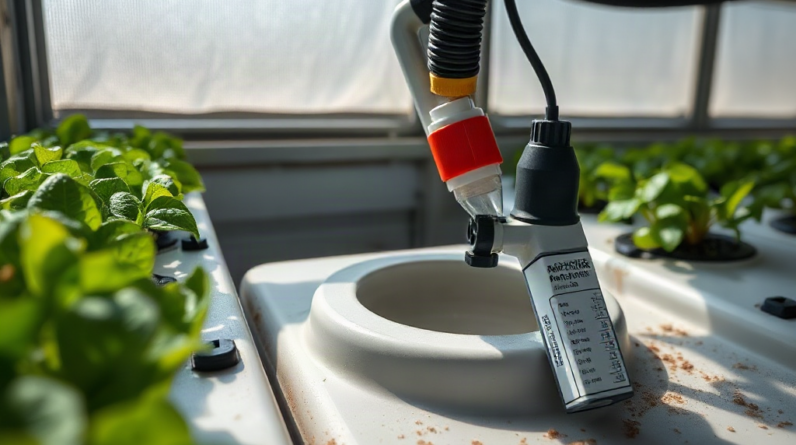
Choosing the right equipment is crucial for a successful hydroponic setup. Essential components include a grow tray or container, a reservoir for nutrient solution, a pump for water circulation, and a light source if growing indoors. Additionally, pH and nutrient testing kits are vital for monitoring the health of your plants.
For example, a deep water culture system requires an air pump and air stones to oxygenate the nutrient solution, ensuring healthy root development. On the other hand, an NFT system needs a reliable pump to maintain a steady flow of nutrients to the plants. Investing in high-quality equipment can prevent common issues such as nutrient deficiencies and root rot.
Common Mistakes to Avoid
Beginners often make several common mistakes when setting up their hydroponic systems. One major error is neglecting to monitor pH levels regularly. An unbalanced pH can hinder nutrient absorption, leading to poor plant health. Additionally, overwatering or underwatering plants can occur, especially in systems like DWC where water levels need to be consistently monitored.
Another frequent mistake is choosing the wrong system for the type of vegetables being grown. For instance, attempting to grow root vegetables in a system not designed for their needs can lead to disappointing results. It’s essential to research and match your chosen vegetables with an appropriate hydroponic system to ensure success.
Frequently Asked Questions
What are the best vegetables to grow in hydroponics?
Leafy greens like lettuce, herbs, and small fruiting plants such as strawberries are often the best choices for hydroponic systems due to their quick growth and space efficiency.
How much space do I need for a hydroponic setup?
The space required depends on the type of hydroponic system and the number of plants you want to grow; even a small area can accommodate a compact system for a few plants.
How do I maintain nutrient levels in my hydroponic system?
Regularly test the nutrient solution's pH and electrical conductivity (EC) to ensure optimal nutrient levels, and adjust as necessary based on plant needs.
Can I use tap water for hydroponics?
Tap water can be used, but it should be tested for pH and chlorine levels; using distilled or filtered water can often yield better results.
What is the cost of setting up a hydroponic garden?
The cost varies widely based on the system type and size, ranging from a few hundred dollars for small setups to several thousand for more extensive systems.
Further Reading
Authoritative Sources
- Hydroponics: A Beginner's Guide
hydroponics.comThis resource provides comprehensive information on different hydroponic systems and their ideal applications
- Hydroponic Gardening Techniques
gardeners.comA detailed guide on equipment and methods for successful hydroponic gardening
Conclusion
Choosing the best hydroponic setup for vegetables involves understanding the various systems available, evaluating your growing conditions, and selecting the right equipment. By avoiding common mistakes and carefully considering your vegetable choices, you can create a thriving hydroponic garden. Prioritize regular monitoring of nutrient levels and environmental conditions to ensure your plants flourish, leading to a successful and rewarding gardening experience.