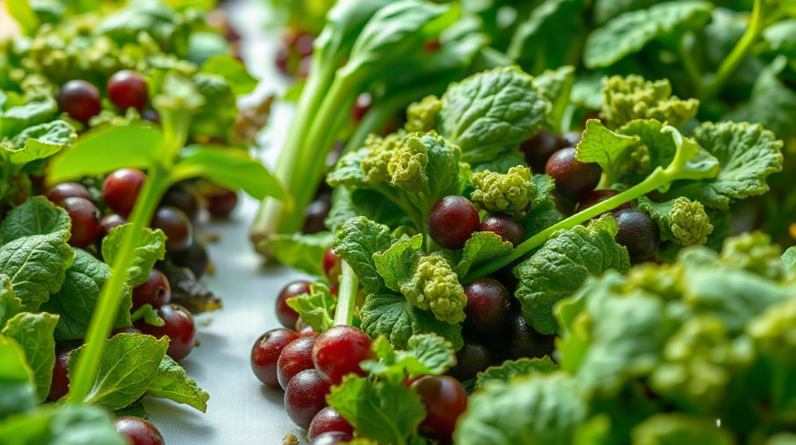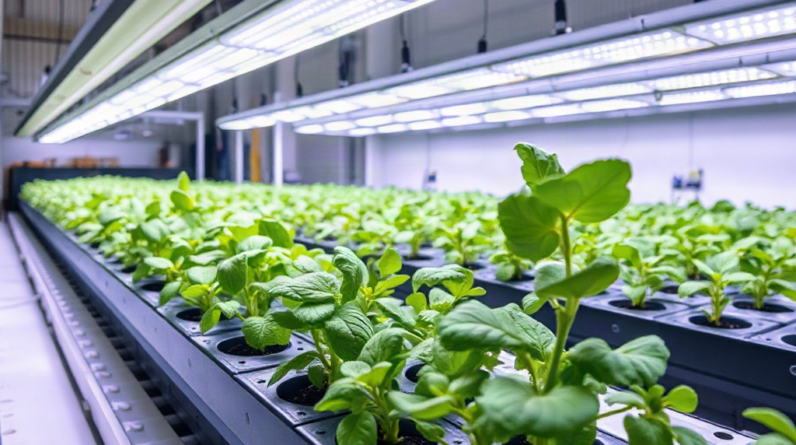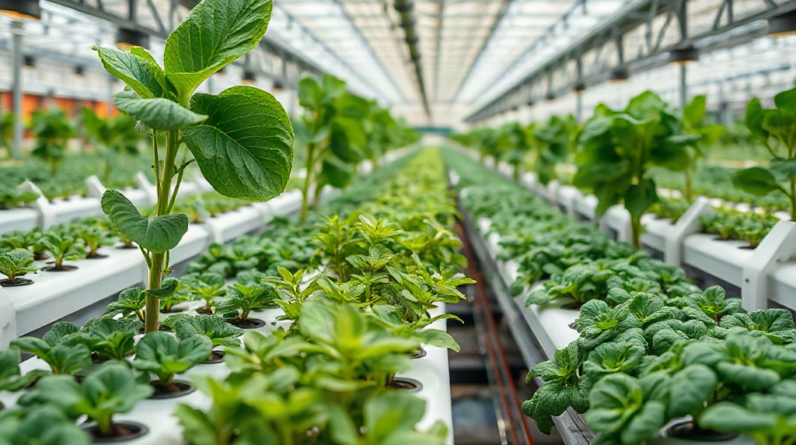
Manage crop diversity in hydroponics by grouping plants with similar nutrient strength, pH tolerance, temperature, light, and harvest timing, then separate incompatible crops into different reservoirs or irrigation zones. Leafy greens, culinary herbs, and fruiting plants often need different electrical conductivity targets and pruning schedules, so a single solution may force compromises. Stagger sowing dates to prevent every crop from demanding space and labor at once, and keep a crop map showing variety, age, reservoir, and expected harvest. Watch new growth, root appearance, solution uptake, and pest patterns rather than relying on one meter reading. Diversity is useful when it spreads risk, but excessive variety can make diagnosis and maintenance slower.
Match Crops Before They Share A Growing Zone
Crop diversity works best when plants are grouped by compatible growing requirements rather than placed together simply because they fit the same rack. Lettuce, arugula, basil, kale, strawberries, tomatoes, and peppers can all be grown hydroponically, but they do not behave as one management category. Their root-zone demand, canopy size, nutrient concentration, light exposure, and time to harvest differ enough to create conflicts in a shared setup.
Begin by recording each crop’s practical requirements: preferred solution strength, acceptable pH range, root-zone temperature, photoperiod, mature height, and expected harvest window. Exact targets vary by cultivar and system, so the crop label or seed supplier’s information should guide the starting point. The purpose is not to find a perfect number; it is to identify obvious mismatches before they become symptoms.
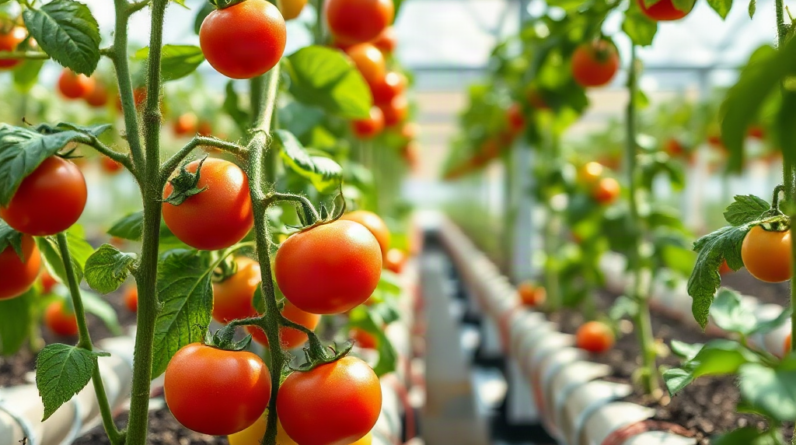
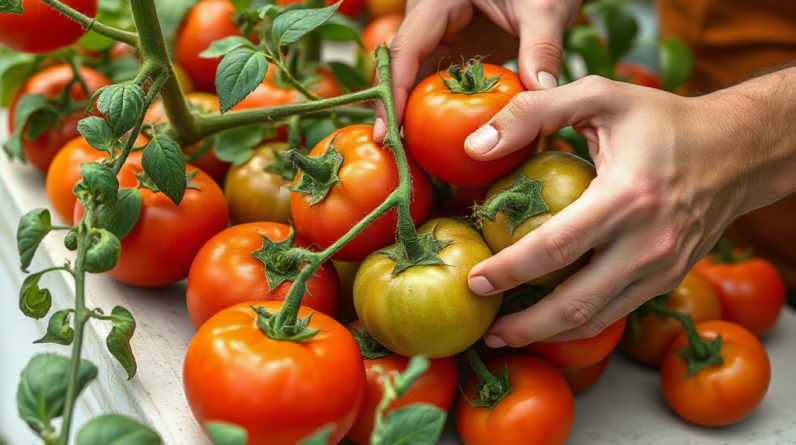
A useful first grouping is leafy greens with leafy greens, soft herbs with herbs, and fruiting crops with other fruiting crops. Lettuce and basil may coexist in a modest home reservoir if light and temperature suit both, although basil may grow taller and consume solution differently. A tomato placed in that same small channel can shade lettuce, overwhelm the root space, and require support and pruning long before the greens are finished.
Shared conditions also affect harvest quality. Cool-season greens may bolt or become bitter under the warmer, brighter environment often used for fruiting plants. Conversely, a dim shelf adjusted for lettuce may produce weak, stretched tomato growth. The common mistake is treating crop diversity as a list of plant names instead of a compatibility problem involving space, climate, nutrition, and labor.
Use how to manage crop diversity in hydroponics as a planning question: which crops can share conditions with minimal compromise, and which deserve their own zone? A smaller mix of well-matched plants usually produces more reliable results than a large collection that requires constant correction.
Design Reservoirs, Irrigation, And Light Around Crop Groups
Reservoir design determines how much diversity a hydroponic garden can handle. A single reservoir is convenient because it reduces plumbing, testing, and cleaning, but every crop connected to it receives the same nutrient solution. Separate reservoirs cost more space and equipment, yet they let the grower adjust solution strength, pH, temperature, and replacement timing for distinct crop groups.
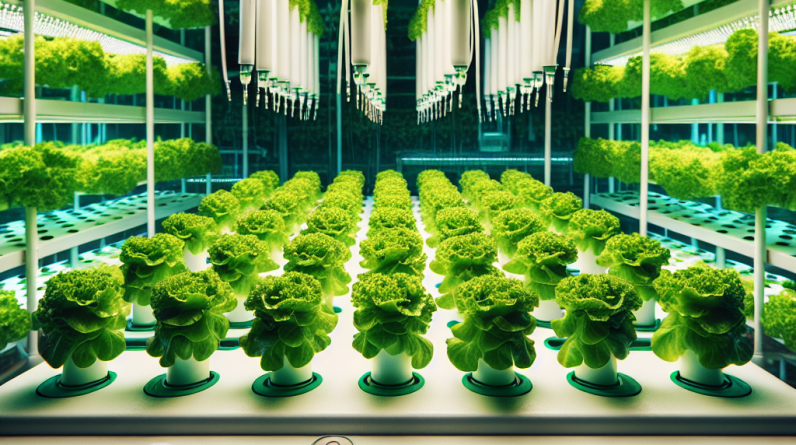
Keep crops together when their requirements overlap and their root systems will not obstruct one another. A deep-water culture tote containing several lettuce varieties is relatively simple to manage because the plants have similar size, harvest timing, and feeding behavior. A separate drip line or reservoir is more appropriate for tomatoes, peppers, or cucumbers, where tall canopies, heavy fruit loads, and support structures change water use throughout the crop cycle.
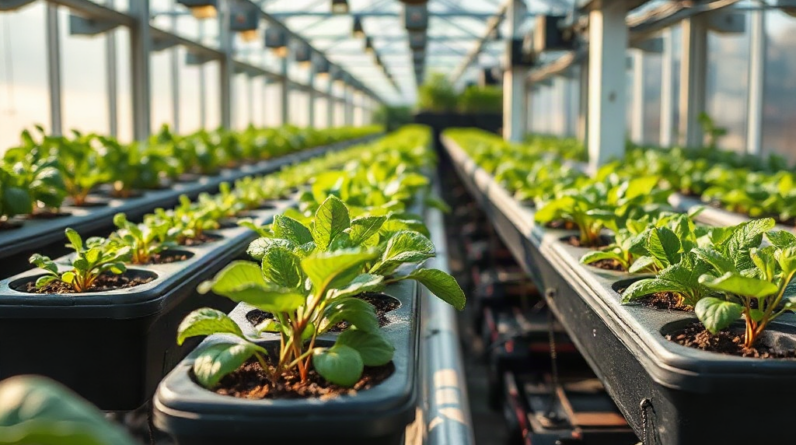
Zone separation does not always mean buying a second complete garden. A grower might use one reservoir for greens and herbs, a small independent container for strawberries, and a separate drip system for fruiting plants. In a larger installation, valves and drain lines can create irrigation zones, but shared plumbing still creates a contamination and nutrient-management connection. A blockage or root intrusion in one branch can affect plants that appear unrelated.
Light deserves equal attention. Arrange plants by height and canopy spread so vigorous crops do not shade compact ones. Fruiting plants generally need a stronger, longer-managed light environment than many leafy greens, while herbs may become lanky if placed at the edge of a dense canopy. Raising lights to accommodate tomatoes can leave young lettuce underlit; lowering them for lettuce may crowd taller plants.
Air movement and access are operational design factors, not cosmetic details. A crowded assortment traps humidity, hides pests, and makes it difficult to inspect roots or clean channels. Leave enough clearance to remove a failed plant without disturbing neighboring roots. The mistake to avoid is designing for the day of transplanting rather than the mature canopy. Draw the footprint at full size, mark access paths, and assign every group a reservoir or irrigation route before adding more varieties.
Use Staggered Planting And A Crop Management Map
Staggered planting turns diversity into a manageable production schedule instead of a simultaneous labor spike. If every crop is seeded on the same day, the garden may require transplanting, pruning, nutrient adjustments, and harvesting at once. Planting smaller batches at planned intervals spreads space use and makes it easier to identify whether a problem affects one age group or the whole system.
Create a simple crop map with the variety, sowing date, transplant date, location, reservoir, light zone, and intended harvest method. Add notes about germination quality, unusual leaf color, root condition, and the date solution changes were made. This record separates crop-specific problems from environmental problems. If three lettuce batches in one reservoir decline together, the reservoir deserves attention; if only one cultivar struggles, genetics, seed quality, or transplant damage may be involved.
Plan around growth speed as well as plant type. Fast lettuce can rotate through a shelf while parsley occupies the same area for much longer. A tomato may remain in place for months, blocking access that would otherwise support several short-cycle greens. Place long-duration crops where they will not prevent cleaning or replanting, and reserve easily reached spaces for crops harvested frequently.
A practical schedule can include a weekly seed-starting window, a transplant review, and a harvest forecast. Do not force the calendar when roots are weak or seedlings are undersized; moving a stressed plant into a mature nutrient environment can create more trouble than delaying it. Likewise, holding vigorous seedlings too long in a crowded propagation tray can produce tangled roots and uneven development.
The common misconception is that diversity requires every available space to contain a different crop. Repeating a dependable lettuce variety while testing one new herb or pepper creates a useful control group. The established crop shows whether the system is stable, while the trial crop provides information without making the entire harvest dependent on an unfamiliar response. For broader planning help, consult how to manage crop diversity in hydroponics alongside your own crop records.
- Keep: proven crops that fit the available climate and harvest routine.
- Test: one or two new varieties in a clearly labeled zone.
- Review: labor, solution use, disease signs, and usable harvest before expanding.
Monitor Diversity Without Losing Diagnostic Control
Diverse gardens need crop-specific observation, but the measurements should remain organized. Check reservoir level, solution temperature, pH, and electrical conductivity according to the needs of the system, then interpret those readings alongside plant appearance and water uptake. A meter cannot explain whether pale new leaves result from an unsuitable solution, damaged roots, an imbalanced environment, or a crop that naturally grows lighter.
Compare plants within the same group before comparing unrelated crops. Young basil and mature lettuce should not be judged by identical growth speed. Look for changes from the plant’s own baseline: new leaves becoming smaller, internodes stretching, roots turning brown or slimy, wilting during the light period, or solution consumption changing abruptly. Record the location of each symptom because airflow, light intensity, and temperature can vary across a rack.
When a problem appears, isolate variables rather than changing several conditions simultaneously. Confirm the meter with appropriate calibration and check whether the reservoir was recently topped up, remixed, or exposed to unusual heat. Inspect emitters and channels for uneven flow. If one group is affected while another on the same reservoir looks normal, examine crop compatibility and root-zone access before adding more nutrients.
Diversity can reduce biological and economic risk, but it can also spread pests between crop types. Scout leaf undersides, growing tips, and support structures on a routine schedule. Remove heavily affected plant material carefully, clean tools between questionable plants, and avoid moving a contaminated plant through the whole room. Do not assume that different species cannot share a pest; many indoor pests move readily among unrelated plants.
A frequent failure mode is correcting a symptom with a stronger solution before checking temperature, circulation, or roots. That response may stress a sensitive crop while leaving the original cause untouched. Use separate notes for each zone and change one major input at a time when possible. The goal is not identical growth across every crop; it is predictable behavior within each compatible group.
Build A Practical Crop Mix For Your Space
The best crop mix matches the garden’s equipment and the grower’s attention span. A beginner with one reservoir, moderate lighting, and limited time may be better served by several leafy greens and one herb group than by adding tomatoes, peppers, strawberries, and microgreens at once. An experienced grower with independent zones can support greater variety because each group can receive more appropriate light, feeding, pruning, and sanitation.
Rank crops by purpose before choosing them. Household use, harvest frequency, plant size, and tolerance for experimentation are more useful criteria than novelty alone. A compact mix might contain lettuce for regular harvests, basil for repeated cuttings, and a small trial of Swiss chard. A larger setup could reserve a tall section for tomatoes while maintaining a separate greens shelf. The comparison is not between a diverse garden and a uniform garden; it is between managed diversity and unmanaged competition.
Budget for consumables and labor. More crop types mean more seed packets, labels, support materials, pruning decisions, and possible nutrient adjustments. Separate reservoirs also add pumps, tubing, monitoring, and cleaning duties. If an extra zone cannot be inspected and sanitized consistently, it may increase risk rather than improve resilience.
Use a staged expansion process. Run the core crop mix through one complete cycle, note actual harvest timing and maintenance demands, then add a single crop whose requirements are clearly understood. Signs the expansion is working include stable readings, accessible plants, predictable harvests, and no increase in unexplained symptoms. Signs it is failing include constant emergency adjustments, shaded lower leaves, neglected reservoirs, or uncertainty about which crop received which change.
Before adding a plant, answer five questions: Can its root system fit the space? Can its light and temperature needs coexist with its neighbors? Does it belong on the current reservoir? Will its harvest schedule interfere with cleaning or replanting? Can a sick plant be removed without disturbing the rest? Those questions make how to manage crop diversity in hydroponics a repeatable operating decision rather than a vague attempt to grow everything.
For crop-specific targets and system decisions, consult university extension publications, horticulture departments, and equipment documentation that identify the crop, production method, and measurement units clearly. These sources are more useful than generalized nutrient charts when cultivars, water quality, or system design differ.
Frequently Asked Questions
Can different hydroponic crops share one reservoir?
Yes, if their nutrient strength, pH, temperature, light, and growth habit are reasonably compatible. Separate zones are safer when a crop has very different feeding or space requirements.
Which crops are easiest to combine?
Leafy greens such as lettuce, arugula, and some Asian greens are often easier to group. Soft herbs may fit with them if temperature, light, and solution conditions overlap.
Why should fruiting plants usually be separated?
Tomatoes, peppers, and cucumbers become large, consume resources differently, and need support, pruning, and longer production periods. Their mature canopies can also shade smaller crops.
How does staggered planting help?
It spreads transplanting, harvesting, cleaning, and troubleshooting across the calendar. It also creates different age groups, making it easier to tell whether a problem affects a crop stage or the whole system.
What should be recorded in a crop map?
Record variety, sowing and transplant dates, location, reservoir, light zone, harvest plan, solution changes, and notable symptoms. Consistent notes make crop comparisons and diagnosis much more reliable.
Conclusion
Successful crop diversity depends on compatibility, zoning, and records rather than the number of plant types packed into one system. Group crops with similar solution and environmental needs, reserve separate reservoirs or irrigation routes for major mismatches, and design around mature plant size. Stagger planting so maintenance and harvests remain manageable, then use a crop map to connect symptoms with locations, ages, and recent changes. Keep a dependable crop mix as a control while testing new varieties in labeled, limited spaces. If monitoring becomes confusing or routine cleaning is skipped, reduce the number of groups before expanding again. A well-managed assortment should make the garden more resilient and useful without making every problem harder to identify.