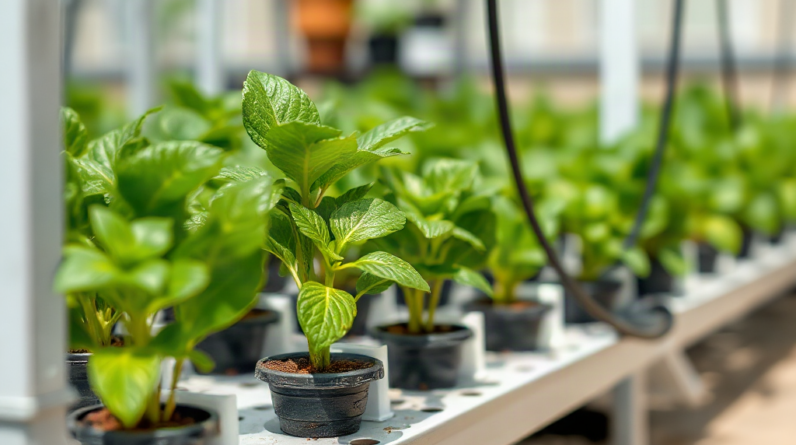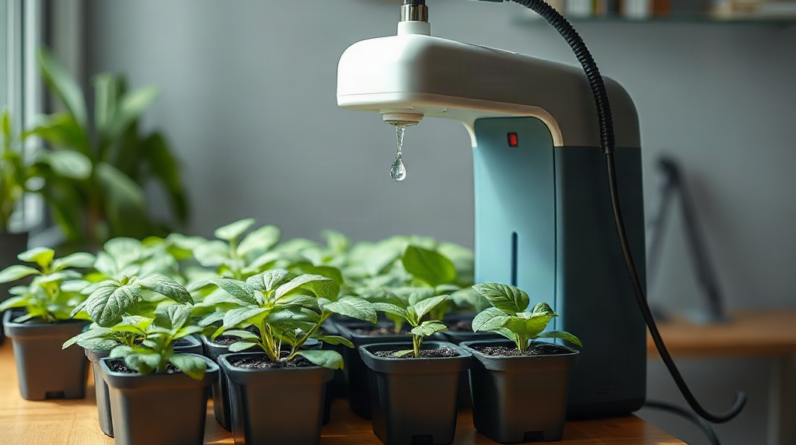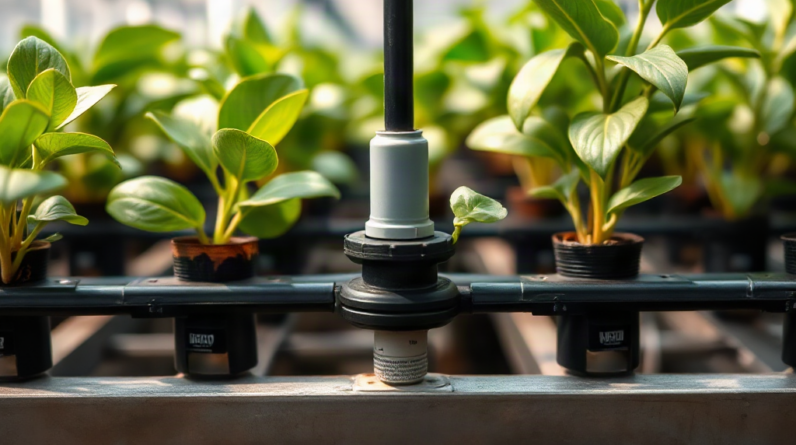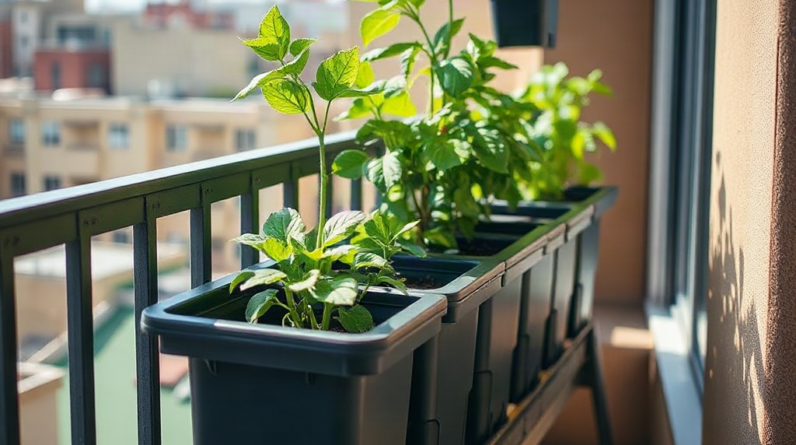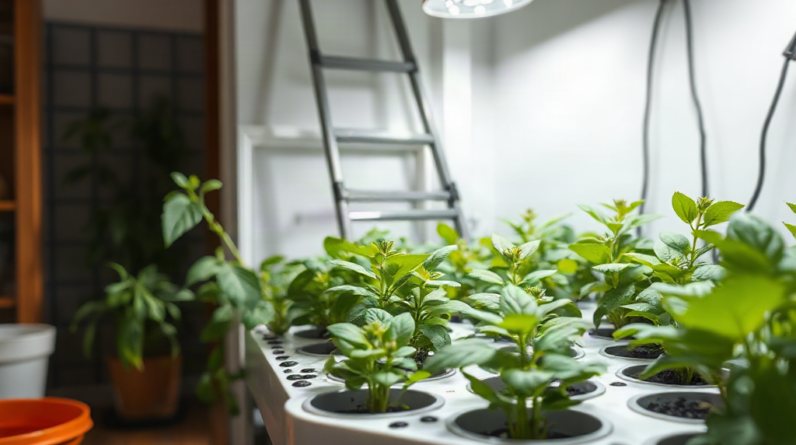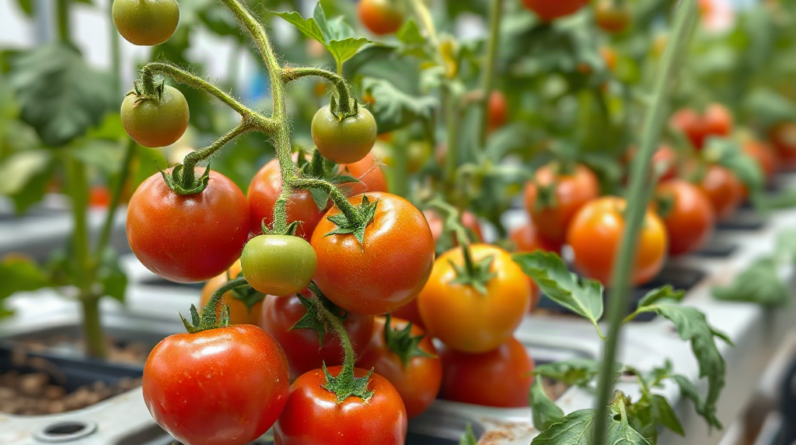
Troubleshoot growth issues in hydroponic tomatoes by recording the symptom, checking root-zone conditions, verifying pH and nutrient strength with calibrated meters, and then changing one variable at a time. Stunted plants often reflect restricted roots, unstable temperature, poor oxygenation, or an incorrect nutrient concentration rather than a single missing supplement. Yellow older leaves point toward mobile-nutrient stress, while distorted new growth suggests an issue affecting calcium or other immobile nutrients, often caused by root uptake problems. Inspect roots for discoloration and odor, compare plant symptoms with recent readings, and correct irrigation, airflow, light, or solution chemistry before adding products.
Read Tomato Symptoms Before Changing the Reservoir
Tomato growth problems become easier to diagnose when symptoms are mapped by leaf age, plant location, and timing. A plant that is pale from the lowest leaves upward is presenting a different clue from one with curled, bronze, or distorted new leaves. Before adjusting the reservoir, photograph the plant, note whether the symptom affects one plant or the entire row, and record recent changes such as pruning, a nutrient refill, a heat spike, or a pump interruption.
Growth rate matters as much as color. Short internodes and small leaves can result from inadequate light, cool roots, excessive salt concentration, or a root system that cannot take up oxygen. A plant may appear to have a nutrient deficiency even when the element is present in the solution. Uptake depends on root temperature, moisture balance, oxygen, pH, and the concentration of competing ions. Adding more fertilizer to a root-zone problem can worsen the damage.
Use symptom distribution to narrow the search:
- Older leaves first: investigate nitrogen, magnesium, potassium, root stress, and overall nutrient strength.
- New leaves first: examine calcium-related uptake, boron availability, pH drift, root health, and rapid tissue growth.
- Only one plant: inspect its emitter, container, root mass, and local pest exposure before changing the whole system.
- Every plant at once: prioritize shared irrigation, reservoir chemistry, lighting, temperature, and airflow.
For example, lower-leaf yellowing after a long period of rapid vine growth may indicate depleted nitrogen, but it may also follow an overly dilute refill. If the upper leaves remain healthy and the solution strength has fallen, a measured correction may be reasonable. If roots are brown and slimy, nutrient adjustment alone is unlikely to restore growth. This symptom-first approach is a useful foundation for how to troubleshoot growth issues in hydroponic tomatoes without chasing every deficiency chart.
Check Roots, Reservoir Chemistry, And Irrigation
Root condition should be checked before fine-tuning individual nutrients because damaged roots can imitate several deficiencies at once. Healthy tomato roots are generally firm and light-colored, although media, light exposure, and system design can change their appearance. Roots that are soft, dark, coated with slime, or associated with a sour odor deserve immediate attention to oxygenation, water temperature, cleanliness, and flow.
Measure pH and electrical conductivity with instruments that have been calibrated and rinsed correctly. A single reading is less useful than a trend. Record the values at the same time each day, then compare them with the reservoir level and plant behavior. A rising EC can mean plants are taking up water faster than dissolved nutrients; a falling EC can indicate stronger nutrient uptake or dilution from top-offs. Neither trend identifies the cause by itself, but both provide context.
Check whether every plant receives the same irrigation pattern. In a drip system, a blocked emitter can produce one wilted or stunted plant while the rest look normal. In deep-water culture, a low air pump, blocked airline, or insufficient circulation can reduce dissolved oxygen across the container. In ebb-and-flow systems, an incorrect flood height or timing may leave upper roots too dry or lower roots saturated for too long.
A practical inspection sequence is:
- Confirm the reservoir volume and look for leaks, clogged emitters, and uneven return flow.
- Measure pH, EC, and solution temperature with checked meters.
- Inspect representative roots, including one weak plant and one healthy plant.
- Verify light distance, air movement, room temperature, and humidity near the canopy.
- Compare today’s readings with the last several records rather than relying on a target number alone.
Changing the entire nutrient recipe is tempting, but it removes useful diagnostic information. If a plant improves after airflow and root oxygenation are corrected, the earlier “deficiency” was probably an uptake failure. If chemistry remains stable and roots are sound, then a carefully measured nutrient adjustment becomes easier to evaluate.
Match Nutrient And Environmental Problems To Plant Signs
Tomatoes need a balanced supply of macronutrients and micronutrients, but visible symptoms rarely prove that one element is missing. Nitrogen shortage commonly appears as general paling and slow growth beginning on older foliage. Magnesium stress may show as interveinal yellowing on older leaves. Potassium-related stress can involve marginal yellowing or scorching, especially as fruiting demand rises. These descriptions are clues, not laboratory diagnoses.
New growth deserves separate attention. Distorted growing tips, curled leaves, or blossom-end damage may be associated with calcium delivery, yet calcium can be present in the reservoir while transport to rapidly expanding tissue is limited by irregular water movement, root injury, excessive humidity, or uneven transpiration. Spraying a calcium product does not correct a clogged emitter or an oxygen-poor root zone. The more reliable priority is to restore consistent root uptake and verify the solution before adding supplements.
Environmental conditions can create the same appearance as nutrition trouble. Insufficient light produces thin stems and long spaces between leaves; excessive light combined with a hot canopy can cause curling and bleaching. High humidity limits transpiration and may contribute to poor calcium movement, while very dry air increases water loss and can stress roots if irrigation does not keep pace. A cool reservoir can slow root activity even when the room feels comfortable.
Consider a fruiting plant with vigorous foliage but flowers that drop. Increasing fertilizer may intensify leaf growth without addressing the cause. Excessive heat, poor pollination, abrupt humidity changes, or an imbalanced vegetative-to-fruit load may be more relevant. Likewise, cracked fruit can follow uneven water availability rather than a simple shortage of fertilizer. Compare the plant’s recent environment with the time the symptom appeared, because leaves and fruit often reveal earlier stress rather than current conditions.
Use the same discipline when checking pests and disease. Examine leaf undersides, stems, and the crown for insects, stippling, lesions, or cankers. Remove severely affected tissue with clean tools, isolate suspicious plants where practical, and follow the label for any permitted treatment. A nutrient correction cannot resolve a spreading pathogen, and aggressive pruning can add stress to an already weak plant.
Use A Controlled Recovery Process
Recovery works best when corrections are prioritized by risk. Restore basic function first: reliable irrigation, adequate root oxygen, sound pH measurement, appropriate nutrient strength, and a stable growing climate. Only then should you make smaller adjustments to the recipe or supplement individual elements. This order prevents a common failure mode in which several changes are made at once and the grower cannot tell which one helped or caused further damage.
When the reservoir is badly contaminated, the readings are implausible, or roots show serious decay, a full replacement may be more sensible than repeated top-offs. A replacement removes accumulated salts and unknown interactions, but it also discards remaining nutrients and can shock plants if the new solution differs sharply. For a mild drift with healthy roots, gradual correction and close monitoring may be less disruptive. The choice depends on severity, plant value, and the grower’s ability to measure accurately.
After a correction, allow enough time for new growth to provide evidence. Existing yellow leaves may not regain their original color, so judge progress by the newest leaves, root appearance, turgor, and continued flower development. Record exactly what changed, including volume, product amount, pH adjustment, and environmental readings. If the symptom worsens across multiple plants, reverse the last change where safe and recheck shared equipment.
A useful priority list is:
- Immediate: correct failed irrigation, severe wilting, poor aeration, leaks, extreme heat, or visibly decaying roots.
- Next: calibrate meters and stabilize pH, EC, solution temperature, light, humidity, and airflow.
- Then: review the nutrient formula, plant age, fruit load, and dilution history.
- Last: test a targeted supplement or recipe change while keeping all other variables steady.
Do not confuse a normal lower-leaf turnover with an accelerating decline. A few old leaves may be removed as the vine matures, while rapid yellowing, wilting, or new-tip distortion calls for investigation. Readers comparing methods can use this troubleshooting process alongside their system’s nutrient manufacturer instructions, since recommended concentrations vary by formula and crop stage.
Know When To Reset The System Or Seek More Evidence
A reset is justified when multiple plants decline together, the reservoir has been repeatedly mismanaged, or root damage prevents dependable uptake. Clean the reservoir and accessible plumbing according to the equipment manufacturer’s instructions, remove dead roots and plant debris, and replace contaminated media where appropriate. Avoid mixing disinfectants with nutrient solutions or applying chemicals in ways not authorized by their labels.
Keeping a healthy comparison plant can improve diagnosis. Place it under the same light and climate conditions, but do not move it into a questionable reservoir without assessing contamination risk. Comparing a recently transplanted plant with an established plant can also mislead because their root capacity and nutrient demand differ. The strongest comparison uses plants of similar age, cultivar, container size, and exposure.
Escalate the investigation when symptoms include vascular browning, rapidly spreading lesions, persistent root decay, or repeated failure after environmental and irrigation corrections. A university extension diagnostic service, qualified crop adviser, or plant pathology laboratory may be more useful than another online deficiency chart. Photos of whole plants and close-ups, a timeline, system type, nutrient label, pH and EC records, and root observations make outside feedback more actionable.
Before restarting, decide what evidence will confirm improvement. New leaves should emerge with more normal shape and color, wilting should lessen during the light period, and readings should behave consistently relative to water use. If only older damaged leaves change while new growth remains distorted, the correction probably has not reached the underlying problem. Documenting those signals turns tomato troubleshooting into a repeatable record rather than a cycle of untested adjustments.
For additional diagnostic context, consult nutrient manufacturer documentation, university extension material on greenhouse tomato production, and plant diagnostic services that explain how to submit clear photographs and samples. These sources are more useful than generic deficiency charts when symptoms overlap or a root-borne problem is suspected.
Frequently Asked Questions
Why are hydroponic tomato leaves turning yellow?
Yellowing may reflect low nutrient strength, nitrogen or magnesium stress, root damage, poor light, or natural aging. Check whether older or newer leaves are affected, then verify roots, pH, EC, and irrigation before adding fertilizer.
Should I add calcium when tomato leaves or fruit look abnormal?
Not automatically. Calcium may already be present but unavailable because roots are stressed, irrigation is uneven, humidity is high, or transpiration is inconsistent. Correct those conditions and confirm the nutrient solution before supplementing.
What do brown hydroponic tomato roots indicate?
Brown roots can indicate oxygen shortage, excessive heat, contamination, or root disease, especially when they are soft or foul-smelling. Check aeration, water temperature, flow, sanitation, and root texture promptly.
How can I tell whether the problem is the reservoir or one plant?
If every plant develops symptoms at a similar time, inspect shared solution, lighting, climate, and irrigation. If one plant is affected, check its emitter, roots, container, stem, and local pest exposure first.
How long should I wait after correcting a growth problem?
Judge recovery primarily by new growth rather than damaged leaves. Record readings daily and look for improved turgor, normal leaf shape, healthier roots, and stable water use; worsening symptoms call for another inspection.
Conclusion
Effective hydroponic tomato troubleshooting depends on evidence, not a rapid succession of additives. Identify whether the problem begins in older leaves, new growth, fruit, roots, or the whole crop, then compare that pattern with pH, EC, solution temperature, irrigation uniformity, light, humidity, and airflow. Root oxygen and reliable water delivery deserve priority because they control whether an available nutrient can actually be used. Change one major variable at a time, record the result, and judge recovery by fresh growth rather than trying to restore damaged tissue. If decay, lesions, or crop-wide decline persists, seek plant-diagnostic help with photographs and records. A careful process takes longer than guessing, but it protects the remaining plants and produces information that makes the next crop easier to manage.
Related Content
- Hydroponic System Backup Plans During Power Outages — Runtime, Aeration, and Recovery Steps
- Revolutionize Your Plant Growth with Dutch Bucket Hydroponics: A Sustainable Approach for Every Gardener
- Crafting Your Own Hydroponic Solutions
- Hydroponics Garden Kit Review
- 10 Effective Best Indoor Hydroponic Grow System Strategies for 2025