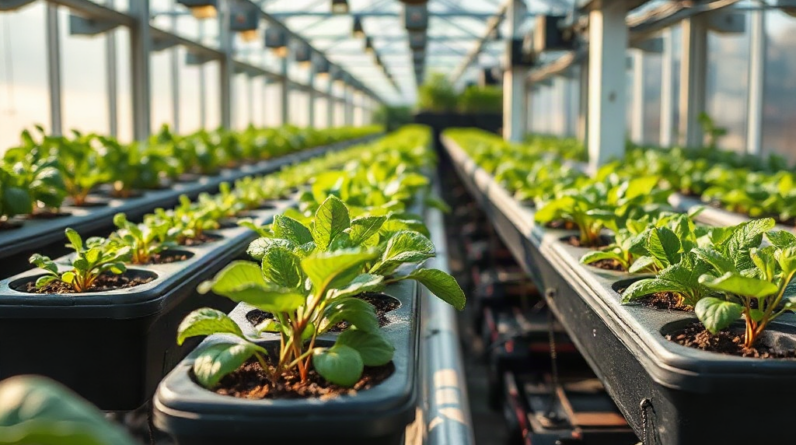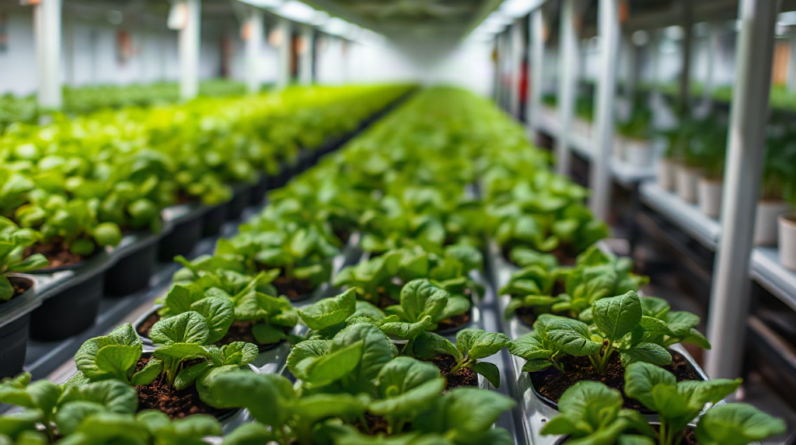
Modify light schedules for different growth stages by setting the photoperiod, light intensity, and uninterrupted dark period around the crop’s developmental needs rather than changing timer hours alone. Seedlings generally need gentle, consistent light; vegetative crops can use a longer day and higher daily light integral; flowering crops may require either a stage-specific dark period or an unchanged schedule, depending on the species. Make changes gradually while tracking leaf posture, internode spacing, canopy temperature, and flowering response. Confirm the crop’s photoperiod sensitivity before shortening the day, because the wrong schedule can delay flowering, trigger premature bolting, or reduce productive light without solving an intensity problem.
Separate Photoperiod From Light Quantity
A timer controls day length, but day length is only one part of a workable lighting program. Plants respond to the duration of illumination, the intensity reaching their leaves, the spectrum, and the continuity of darkness. Daily light integral, commonly abbreviated DLI, represents the total photosynthetically active light delivered over a day. Extending a weak lamp from 14 to 18 hours raises DLI, but it does not correct poor canopy coverage or necessarily supply enough instantaneous light for strong growth.
This distinction prevents a common scheduling error: using extra hours to compensate for a fixture that is too far from the canopy. A seedling tray under modest light may benefit from a longer photoperiod because the gentle output accumulates without excessive leaf stress. A mature tomato canopy under a powerful fixture presents the opposite situation. Extending that already intense exposure can raise leaf temperature, accelerate water demand, and produce light stress before it adds useful growth.
The dark interval deserves equal attention. Darkness is not merely time when electricity is saved; it participates in plant signaling and carbohydrate use. Photoperiod-sensitive species measure night length, so light leaks or a split dark period can alter flowering even when the timer displays the intended schedule. Day-neutral crops are less dependent on night length for flowering, but they still benefit from a repeatable day-and-night rhythm.
Before changing hours, identify three variables: the current hours of light, approximate canopy intensity, and crop response. A PAR meter provides the clearest intensity measurement, while a reputable fixture map offers a rough starting point. Ordinary lux readings are less reliable across grow-light spectra, though repeated measurements from the same lamp can reveal coverage changes. Calculate estimated DLI when possible, then compare it with crop-specific targets from seed suppliers, controlled-environment references, or university extension material.
A sound approach to how to modify light schedules for different growth stages therefore begins by deciding whether the plant needs a different biological day length, more total light, or better distribution. Changing the timer is appropriate for photoperiod control. Raising, dimming, or repositioning the fixture is usually the better correction for uneven or excessive intensity.
Set Schedules for Seedling and Early Vegetative Growth
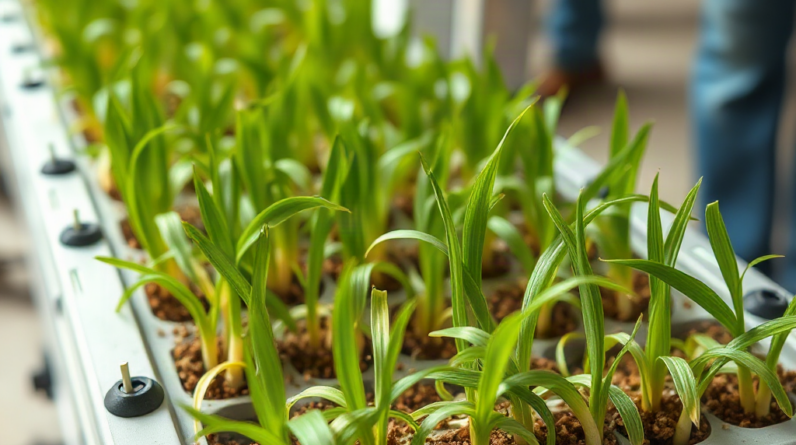
Seedlings need consistent illumination without the intensity demanded by a filled canopy. Many indoor growers use roughly 14 to 18 hours of light for common vegetable and herb seedlings, followed by a definite dark interval. That range is a starting point rather than a universal prescription: fixture output, species, ambient sunlight, and seedling age determine whether the upper or lower end makes sense.
Newly emerged seedlings have little leaf area and limited capacity to use intense light. A long schedule under a dimmable lamp can deliver moderate daily light while avoiding the sharp canopy temperatures associated with running the fixture at full power. As true leaves expand, intensity can be increased in small increments or the fixture can be lowered within the manufacturer’s safe operating range. Increasing hours and intensity simultaneously makes it difficult to identify the cause if leaves bleach, curl, or wilt.
Stretching is often blamed on a short photoperiod when insufficient intensity or excessive lamp distance is responsible. A seedling that leans, develops long internodes, or remains pale despite a long day usually needs improved light placement rather than more clock time. Conversely, compact seedlings with upward-curling margins, faded upper leaves, or persistent wilting under a wet root zone may be receiving more light than their roots and environment can support.
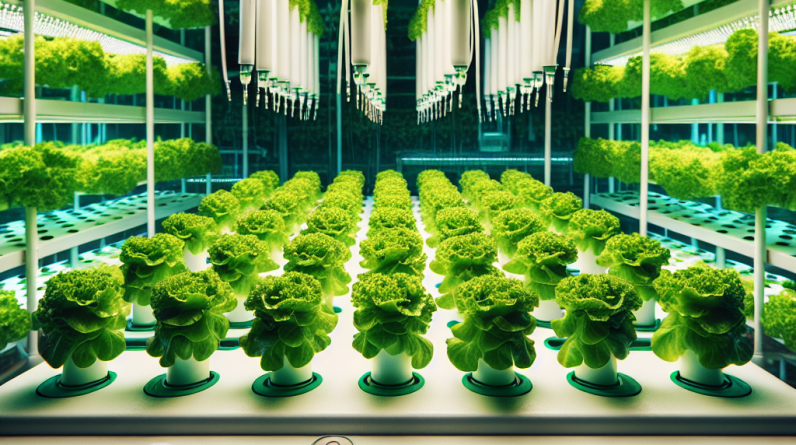
Consider lettuce started in plugs beneath an LED fixture. The grower might begin with a moderate setting over a 16-hour day, inspect seedlings daily, and raise output after the first true leaves appear. If the center plugs remain compact but edge plugs stretch, extending the day affects the whole tray and leaves the coverage problem intact. Repositioning the fixture, rotating trays, or adding reflective side coverage addresses the actual pattern.
Use the following compact check before advancing young plants:
- Confirm emergence: Move from germination conditions to a stable day-and-night schedule once shoots are exposed.
- Inspect new growth: Judge changes from leaves formed under the new setting, not older tissue.
- Check canopy temperature: Air temperature alone may not reveal heat accumulating at leaf level.
- Change one control: Adjust duration, dimming level, or fixture height separately.
Young plants do not need continuous illumination. Running lights for 24 hours removes the normal dark interval, increases operating cost, and can conceal an undersized fixture without providing a proportionate benefit. A repeatable schedule with a measured increase in light as leaf area develops is easier to manage and diagnose.
Adjust Lighting for Mature Vegetative Crops
Mature vegetative crops can intercept more light, but their schedule should reflect harvest strategy as well as plant size. Leafy greens and herbs are commonly maintained on a long day because the harvested product is vegetative tissue. Fruiting crops may also receive a long day during canopy establishment, provided the species tolerates it and the accumulated light remains within a useful range.
The best adjustment is often higher intensity at the same photoperiod rather than a longer day. Once the timer already provides a substantial light window, extending it further reduces darkness and adds equipment hours. Increasing usable light across shaded portions of the canopy can be more productive. Fixture spacing, plant spacing, pruning, and canopy uniformity determine whether additional electrical input reaches active leaves or is wasted on aisles and upper-leaf saturation.
Fast-growing basil illustrates the tradeoff. A grower seeing slow production may extend a 16-hour day to 18 hours, but the crop will respond poorly if upper leaves already show bleaching while lower shoots remain shaded. Improving fixture uniformity or harvesting the canopy to a consistent height gives lower leaves access to light. By comparison, evenly colored plants with compact growth and no heat stress may use a modest increase in intensity or duration, assuming root-zone oxygen, nutrition, and carbon dioxide availability are not limiting.
Watch the whole system after an increase. More light can increase transpiration and nutrient uptake, so reservoir level may fall faster and electrical conductivity may shift differently than before. Warmer leaves can also raise room cooling and dehumidification demands. A schedule that appears successful from growth alone may be operationally inefficient if the final hours of lighting create excessive heat during the warmest part of the day. In that situation, moving part or all of the light period to cooler overnight utility hours can reduce environmental strain without changing total duration.
Growth form provides useful feedback. Tight but normal internodes, level or slightly raised leaves during the light period, and steady new growth suggest that plants are using the schedule. Bleached tops, crisp margins, severe upward leaf angles, or midday drooping point toward excessive intensity, heat, or water-delivery limitations. Long internodes, small pale leaves, and pronounced leaning suggest inadequate intensity or poor distribution. The practical value of how to modify light schedules for different growth stages lies in matching timer changes to these patterns instead of treating every slow crop as light-starved.
Handle Flowering and Fruiting Without Disrupting Development
Flowering schedules must be based on the crop’s photoperiod class, not on a blanket rule that every fruiting plant needs shorter days. Short-day plants initiate flowering when the uninterrupted night becomes long enough, while long-day plants flower when nights are sufficiently short. Day-neutral plants rely more heavily on maturity and other environmental signals. Cultivars within a crop can also differ, so the seed supplier’s production information should take priority over a generic timer chart.
For a photoperiod-sensitive short-day crop, the transition usually involves shortening the illuminated period and protecting the dark interval from stray light. A status LED, hallway light, or brief work visit during darkness may interrupt the night signal in sensitive plants. Blackout materials can protect darkness, but they must not block ventilation or trap humidity around foliage. Timer reliability matters as much as the selected hours; inconsistent switching produces an unstable signal.
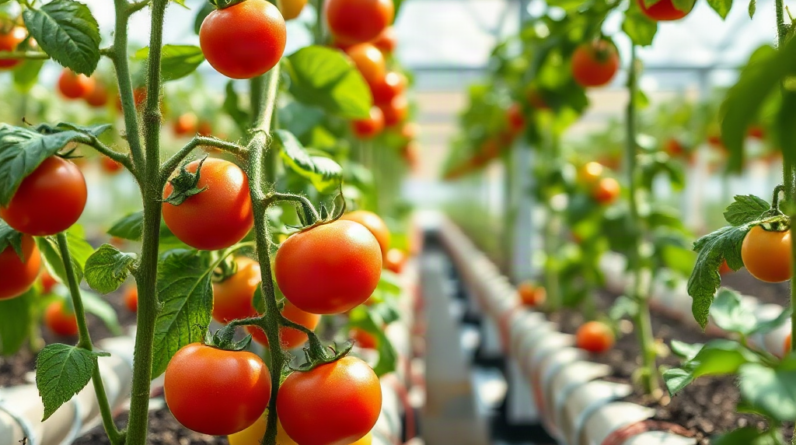
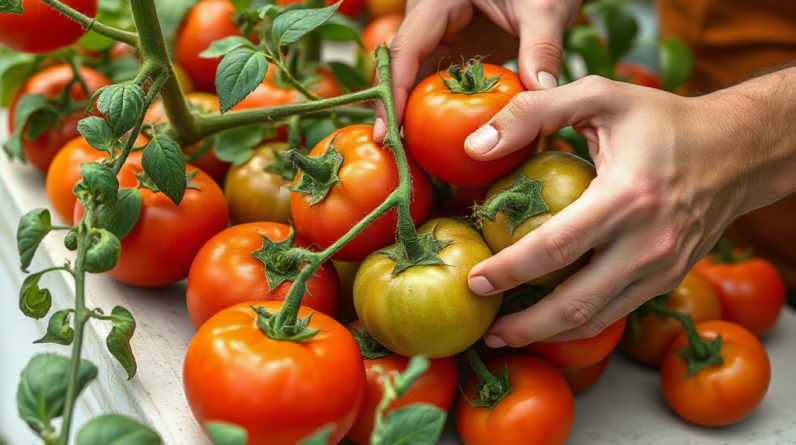
Day-neutral fruiting vegetables require a different decision. Tomatoes and cucumbers do not generally need a dramatic short-day trigger to begin reproduction. Reducing their light hours simply because flowers appear can lower DLI at the stage when a larger canopy and developing fruit require substantial energy. Their transition may call for maintaining day length while adjusting intensity, fixture position, plant spacing, and climate control as the canopy grows taller.
A practical flowering change should be deliberate rather than abrupt unless a defined photoperiod trigger requires a clean switch. If the objective is only to reduce stress or operating heat, shift duration or dimming in small steps and observe new growth. If the objective is floral induction in a sensitive species, establish the required light-dark cycle consistently and avoid casual interruptions. Do not alternate schedules from day to day in an attempt to average the desired hours.
Flower formation is not proof that the schedule is optimal. Flowers may abort because of temperature, humidity, poor pollination, root stress, or nutrient imbalance even when day length is correct. Confirm that plants maintain healthy leaf color, stable water use, and normal flower retention before attributing reproductive problems to the timer. The common mistake is changing photoperiod repeatedly while leaving a hot canopy or failing irrigation event unresolved.
Change the Schedule and Diagnose the Plant Response
Schedule changes are most informative when treated as controlled adjustments. Record the existing on-and-off times, dimmer setting, fixture height, canopy temperature, reservoir use, and visible plant condition before touching the timer. Without a baseline, normal development can be mistaken for a response to the new program.
For non-triggering adjustments, change duration by about 30 to 60 minutes or alter intensity modestly, then hold other controls steady long enough for new leaves and daily water-use patterns to provide evidence. The exact observation period varies with crop speed; seedlings and leafy greens reveal changes sooner than mature fruiting plants. Photoperiod induction is the exception because a crop may need a specific, consistent night length rather than a gradual transition.
Evaluate signs by their location and timing. Damage confined to the upper canopy near the fixture implicates intensity or radiant heat more strongly than photoperiod. Uniform stretching throughout a tray points toward low average intensity, whereas stretching at the perimeter signals poor coverage. Drooping that begins late in the light cycle but resolves during darkness may indicate excessive DLI, heat accumulation, or an irrigation rate that cannot match transpiration. Persistent drooping through both periods warrants inspection of roots, solution temperature, and oxygenation.
A timer test should be part of the process. Verify actual switching over a full cycle, including after a power interruption, and check that multiple fixtures share the intended clock. Mechanical timers can drift, while digital controllers may reset or follow an unexpected daylight-saving setting. Light sensors or a simple visual inspection at scheduled transitions can expose faults that the programmed display does not show.
Keep the new setting when growth remains balanced, upper leaves retain normal color, internode spacing suits the crop, and water use changes predictably. Reverse or reduce the adjustment when bleaching, margin scorch, sustained leaf curling, or excessive canopy heat appears. If plants remain weak without stress symptoms, measure intensity and inspect fixture coverage before adding more hours. A staged record of how to modify light schedules for different growth stages creates a repeatable crop plan rather than a series of timer guesses.
Frequently Asked Questions
Should seedlings receive 24 hours of light?
No. Most seedlings should receive a repeatable dark interval rather than continuous illumination. Use moderate intensity over a defined day, then adjust fixture output or height if seedlings stretch.
Is changing light hours the same as changing daily light integral?
No. Daily light integral combines intensity and duration. Extending the day raises total light only if the fixture supplies usable intensity, while dimming or repositioning can change DLI without changing timer hours.
Do all flowering hydroponic crops need a 12-hour light schedule?
No. Flowering responses differ among short-day, long-day, and day-neutral crops. Confirm the species and cultivar requirements before using a 12-hour schedule.
How quickly should a light schedule be changed?
Make ordinary duration changes in small steps, often 30 to 60 minutes, while holding intensity and other conditions steady. A defined flowering trigger may require an immediate, consistent schedule instead.
How can I tell whether plants are receiving too much light?
Inspect for bleached upper leaves, crisp margins, persistent curling, high canopy temperature, or drooping late in the light period. Confirm intensity and irrigation performance before blaming duration alone.
Further Reading
Authoritative Sources
- Michigan State University Floriculture
canr.msu.eduControlled-environment production resources explain photoperiod, daily light integral, and flowering responses relevant to indoor schedule decisions
- University of Minnesota Extension: Lighting for Indoor Plants
extension.umn.eduThis resource provides practical background on light duration, intensity, fixture placement, and plant responses indoors
- Penn State Extension: Plant Growth and Development
extension.psu.eduPlant-development material offers context for interpreting vegetative and reproductive responses before changing a lighting program
- Controlled Environment Agriculture Center
controlledenvironments.orgThe center provides research and educational material related to lighting and other interacting controls in protected crop production
Conclusion
Effective schedule changes come from separating biological day length from total light delivery. Establish a stable, moderate program for seedlings, increase usable light as vegetative canopies expand, and apply flowering schedules only after confirming whether the crop is short-day, long-day, or day-neutral. Protect uninterrupted darkness when floral induction depends on night length, but do not shorten days automatically when a fruiting plant begins to bloom.
Record timer hours, fixture height, intensity or estimated DLI, canopy temperature, and plant condition before each adjustment. Change one noncritical control at a time, inspect growth formed under the new setting, and verify that the timer follows its program. If the canopy shows uneven symptoms, correct fixture coverage or environmental limits before adding hours. These records turn each crop cycle into a more precise schedule for the next planting.