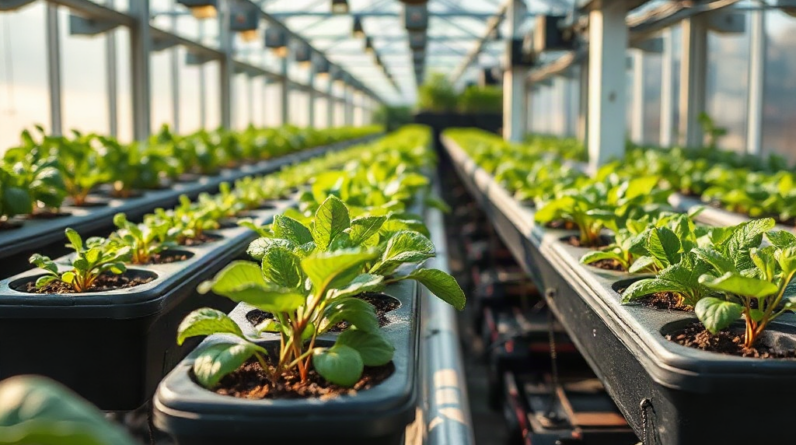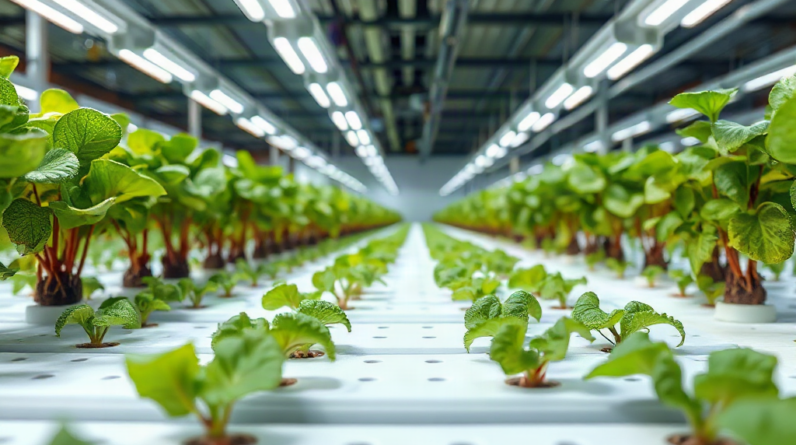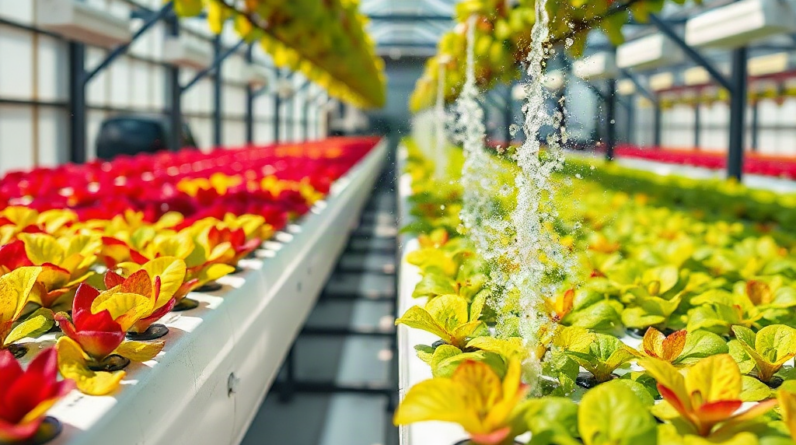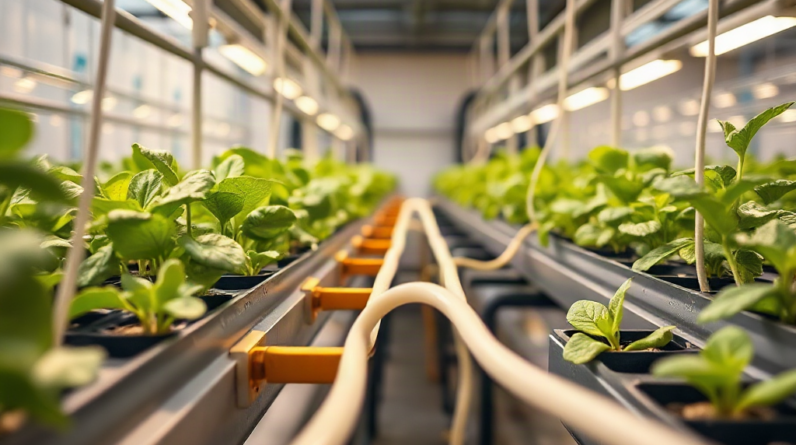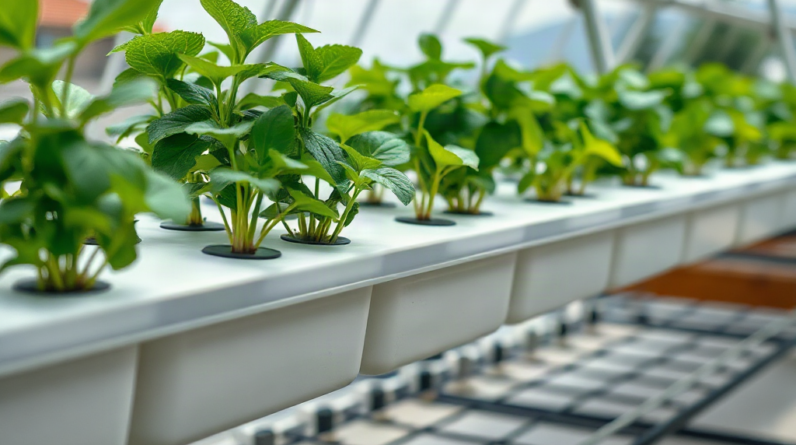
When establishing a hydroponic grow light setup, it’s important to consider several factors, including the type of plants being grown, their growth stage, and the specific light spectrum they require. Common mistakes include using inadequate light intensity or incorrect light spectrums, which can lead to poor plant growth or even crop failure. Therefore, understanding how to adjust the light setup based on these variables is critical for success.
Another common pitfall is neglecting the distance between the light source and the plants. If the lights are too close, they can cause heat stress and damage to the plants; too far away, and the plants may not receive sufficient light. A well-planned grow light setup will include adjustable fixtures that allow growers to modify the position of the lights as the plants grow, ensuring they receive optimal lighting throughout their life cycle.
Types of Grow Lights
There are several types of grow lights available for hydroponic setups, each with its unique benefits and drawbacks. The most common types include LEDs, fluorescent lights, and high-intensity discharge (HID) lights. LEDs are popular for their energy efficiency and longevity, while fluorescent lights are often used for their affordability and effectiveness in growing seedlings. HID lights, although more powerful, can generate significant heat and may require additional cooling measures.
Choosing the right type of grow light depends on various factors, including budget, space, and the plants being cultivated. For instance, while LEDs have a higher upfront cost, their energy efficiency and longer lifespan can lead to cost savings over time. In contrast, fluorescent lights may be more suitable for smaller setups or those just starting in hydroponics.
It’s also essential to consider the light output and coverage area of the chosen lights. Some plants may require more intense lighting than others, so understanding the specific needs of your crops will guide you in selecting the most suitable grow light type.
Light Spectrum Requirements
Plants require different light spectrums at various growth stages, primarily divided into two categories: blue light and red light. Blue light (400-500 nm) is crucial for vegetative growth, while red light (600-700 nm) promotes flowering and fruiting. A balanced light spectrum that includes both blue and red wavelengths will support healthy plant development throughout their lifecycle.
For optimal results, using full-spectrum grow lights that emit both blue and red wavelengths is advisable. These lights mimic natural sunlight and can significantly enhance plant growth and yield. Understanding the specific light needs of your plants can help in selecting the right spectrum and intensity.
Moreover, it’s important to adjust the light spectrum as plants transition from seedlings to flowering stages. Many advanced grow light systems allow for spectrum adjustments, enabling growers to tailor the light to their plants’ current needs.
Setting Up Your Grow Light System
Setting up a hydroponic grow light system involves several key steps. First, determine the layout of your growing area and the number of plants you intend to cultivate. Based on this, select the appropriate type and number of grow lights. Ensure the lights are mounted at a height that allows for proper light distribution without causing heat stress.
Additionally, integrating light timers into your system can automate the lighting schedule, ensuring plants receive consistent light exposure. Most plants require about 12-16 hours of light per day, depending on their growth stage. Automated timers help maintain this schedule, promoting healthy growth without the need for constant manual adjustments.
Finally, consider the ventilation and cooling systems in place. High-intensity lights can generate excess heat, which may require fans or cooling systems to maintain optimal growing temperatures. A well-ventilated grow area will ensure plants thrive without the risk of overheating.
Common Mistakes to Avoid
When establishing a hydroponic grow light setup, several common mistakes can hinder plant growth. One frequent error is underestimating the light intensity required for different plants. Each plant species has unique light requirements, and failing to meet these can lead to stunted growth or poor yields.
Another mistake is neglecting to monitor the distance between the lights and the plants. As previously mentioned, improper distance can lead to heat stress or insufficient light. Regularly adjusting the height of your lights as plants grow is crucial for maintaining optimal conditions.
Additionally, some growers may overlook the importance of light duration. Providing too little or too much light can disrupt the plants’ natural growth cycles. Utilizing light timers can help mitigate this issue by ensuring consistent light exposure.
Further Reading
Authoritative Sources
- MedlinePlus
medlineplus.govConsumer-friendly medical and health information from the U.S. National Library of Medicine.
- National Institutes of Health
nih.govResearch-based health information and links to authoritative medical resources.
- Centers for Disease Control and Prevention
cdc.govOfficial public health guidance, prevention resources, and topic-specific recommendations.
- Mayo Clinic
mayoclinic.orgTrusted clinical guidance, symptom explainers, and treatment overviews.
- World Health Organization
who.intGlobal health guidance, fact sheets, and evidence-based public health information.
Frequently Asked Questions
What type of grow light is best for hydroponics?
LED grow lights are often considered the best choice due to their energy efficiency, long lifespan, and full-spectrum options that support all growth stages.
How far should grow lights be from plants?
The distance depends on the type of grow light used; typically, LEDs should be 12-24 inches above the plants, while fluorescent lights can be placed closer, around 6-12 inches.
How long should I keep the grow lights on?
Most plants require 12-16 hours of light per day, but this can vary based on the species and growth stage.
Can I use regular light bulbs for hydroponics?
Regular light bulbs lack the specific spectrum required for plant growth and are not recommended for hydroponic setups.
What are the signs of light stress in plants?
Signs of light stress include yellowing leaves, leaf burn, and slow growth; adjusting the light distance or intensity can help alleviate these issues.
Conclusion
In conclusion, a well-planned hydroponic grow light setup is vital for maximizing plant health and yield. By selecting the appropriate type of grow lights, understanding light spectrum requirements, and avoiding common mistakes, growers can create an environment that fosters optimal growth. Regular adjustments and monitoring will ensure that plants receive the right amount of light throughout their lifecycle, ultimately leading to successful hydroponic gardening.